Article
Canadian Retail Remains Resilient Despite Tariffs and Hudson’s Bay Closure
September 4, 2025 4 Minute Read
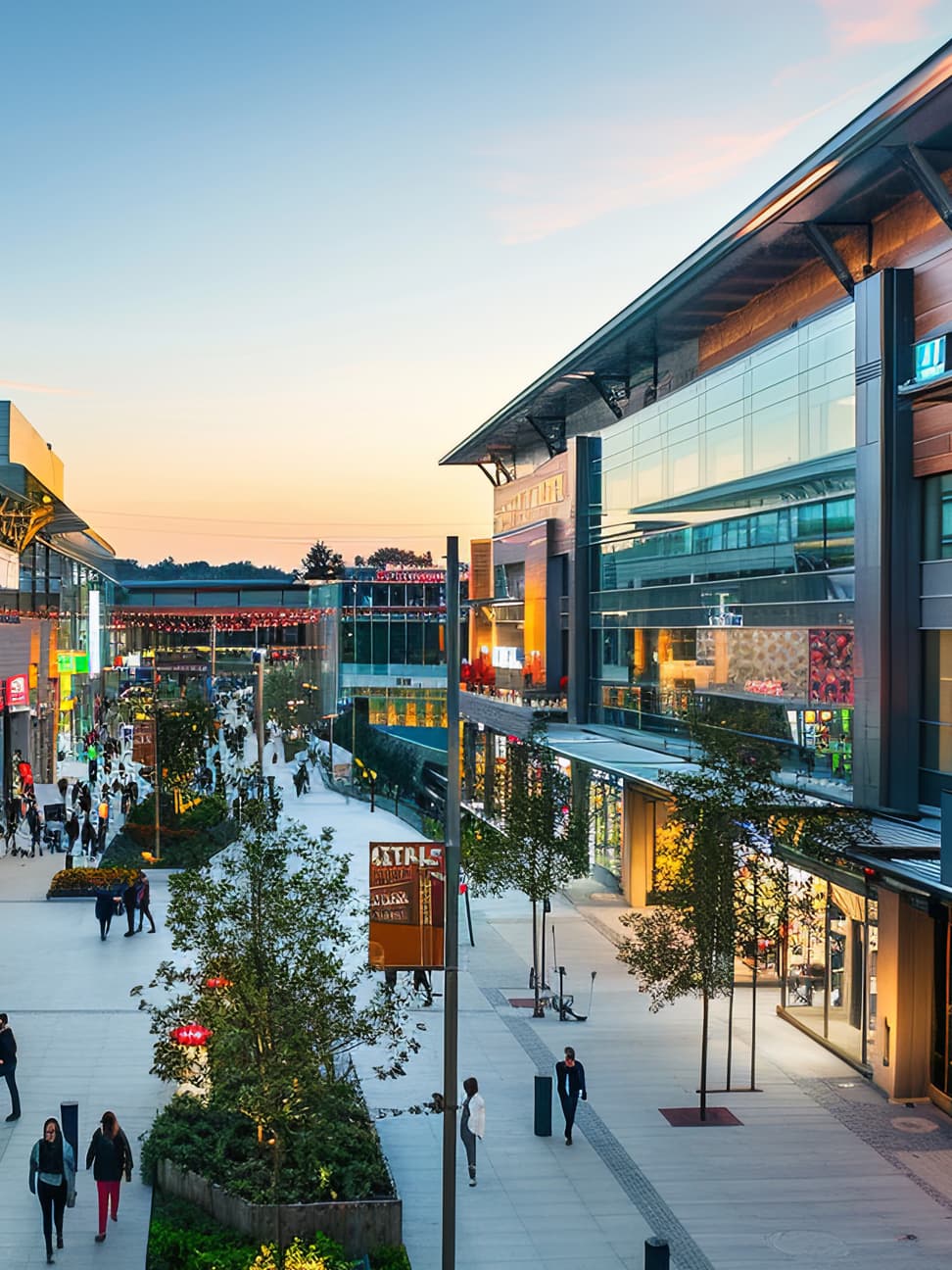
A trade war and the closure of Hudson’s Bay haven’t spelled widespread problems for the Canadian retail industry. Rather, according to CBRE’s new H1 2025 Retail Rent Survey, retail fundamentals have continued to hold up and perform remarkably well amid the challenges.
Retail deals are taking longer to close but are still getting done, although with greater scrutiny. Tenant demand remains healthy with leasing activity seen in almost all sectors, particularly health and wellness, fitness, grocery and restaurants. And while consumers have tightened discretionary spending, they continue to make purchases in a more intentional manner.
“The long-term trajectory remains positive,” says CBRE Senior Vice President Alex Edmison. “Canada’s population continues to grow and, save for HBC-anchored shopping centres, supply of quality retail space remains constrained.
“We anticipate vacancy will remain low into the foreseeable future and rental rates for quality properties will continue to appreciate at a modest rate. The space left by HBC will take some time to be leased but we are seeing healthy levels of interest and leasing activity around most locations.”

Here are some other takeaways from the Retail Rent Survey:
- There continues to be a marked slowing in rental rate appreciation across the country. Rent growth was recorded in just 16 of the total 120 retail format types or key urban areas tracked in the survey. Four of 11 markets reported no change in rents over the last six months.
- Unenclosed community centres experienced escalating rents in four markets, the most of any retail format, followed by neighbourhood centres, with increases in three markets.
- While most focus has remained on suburban sites, urban retail nodes are still experiencing demand and interest. Four key urban retail nodes across three markets noted increased rental rates.
Here are the most active retailers and growing segments for 2025:
- Health & Wellness – Strong growth is being driven by evolving consumer preferences that prioritize holistic wellbeing. Demand comes from fitness gyms, fertility centres, cosmetic enhancement clinics, preventative medicine, and traditional health practitioners. Recent deals include Equinox’s third location in downtown Toronto and Evolve Strength’s new flagship at The Post in Vancouver. Momentum is coinciding with office landlords repurposing underutilized podium levels. Large-format HBC spaces are also emerging as attractive options for these tenants.
- Restaurants – Faced with eroding margins and profitability, restaurant operators are increasingly favouring second-generation space to save on high construction and fit-out costs. Urban landlords are taking on some of these expenses through tenant allowances for extensive buildouts. Suburban markets are seeing robust restaurant activity especially where they can capture all-day traffic from morning to late night. With consumers being more conscientious of their spending, overall experience and atmosphere are huge drivers for the restaurant sector.
- Big Box – Big box vacancy across the country remains low, with major players such as TJX, Value Village and Canadian Tire taking most prime locations. Availability of box space will increase in the second half of 2025 and into 2026 with HBC units hitting the market. There is strong interest in most of these locations, however most will take time to absorb as landlords re-align the spaces to match the long-term vision for their shopping centres.
Some of the notable retail trends to watch for in markets across Canada:
- Vancouver – Anchor tenants, apparel and QSR continue to drive demand throughout the region with the likes of T&T Supermarket, Fitness World, Adidas and Diptyque leading the charge. Former Hudson's Bay stores, representing 1.0 million sq. ft. across Metro Vancouver, present great opportunity.
- Calgary – The daycare rollercoaster continues with the Province of Alberta now limiting the number of licenses being approved for for-profit groups. This has not slowed demand. Despite often significant renewal rate increases most daycare tenants are renewing, with some spaces coming back to the market where tenants cannot afford recalibrated rents.
- Toronto – Toronto’s retail leasing landscape has been robust with new deals occurring in food and beverage, fashion and luxury and contemporary fashion segments. Quality space is in short supply and rents continue to appreciate in the hottest nodes. Yorkdale continues to welcome first-to-market entrants. The latest is Gentle Monster, a Korean eyewear label. In Bloor-Yorkville recent entrants include Luca Faloni, Loro Piana and Eleventy. Brands continue to flock to the area.
- Ottawa – There has been a small increase in availability in quality power centres, community and neighbourhood plazas. Rents continue to remain high with minimal inducements offered by landlords. An increasing number of 5,000-20,000 SF spaces are becoming available with greater difficulty in finding new tenants with typical users in this size range citing caution due to tariffs and other economic uncertainty.Entertainment based users are the mostinterested in pursuing spaces of this size.
- Halifax – Supply remains relatively limited for both existing and new product, with strong demand coming from food and beverage tenants. Retail plazas with onsite parking are experiencing robust levels of demand. Limited supply and little turnover within these centres have meant that any vacancy that pops up is quickly backfilled.
Recent Insights
-

CBRE’s Rebecca Godfrey says 2026 summer travel plans are not about going the extra mile. Instead, Canadians are swapping long overseas holidays for shorter trips closer to home.
-
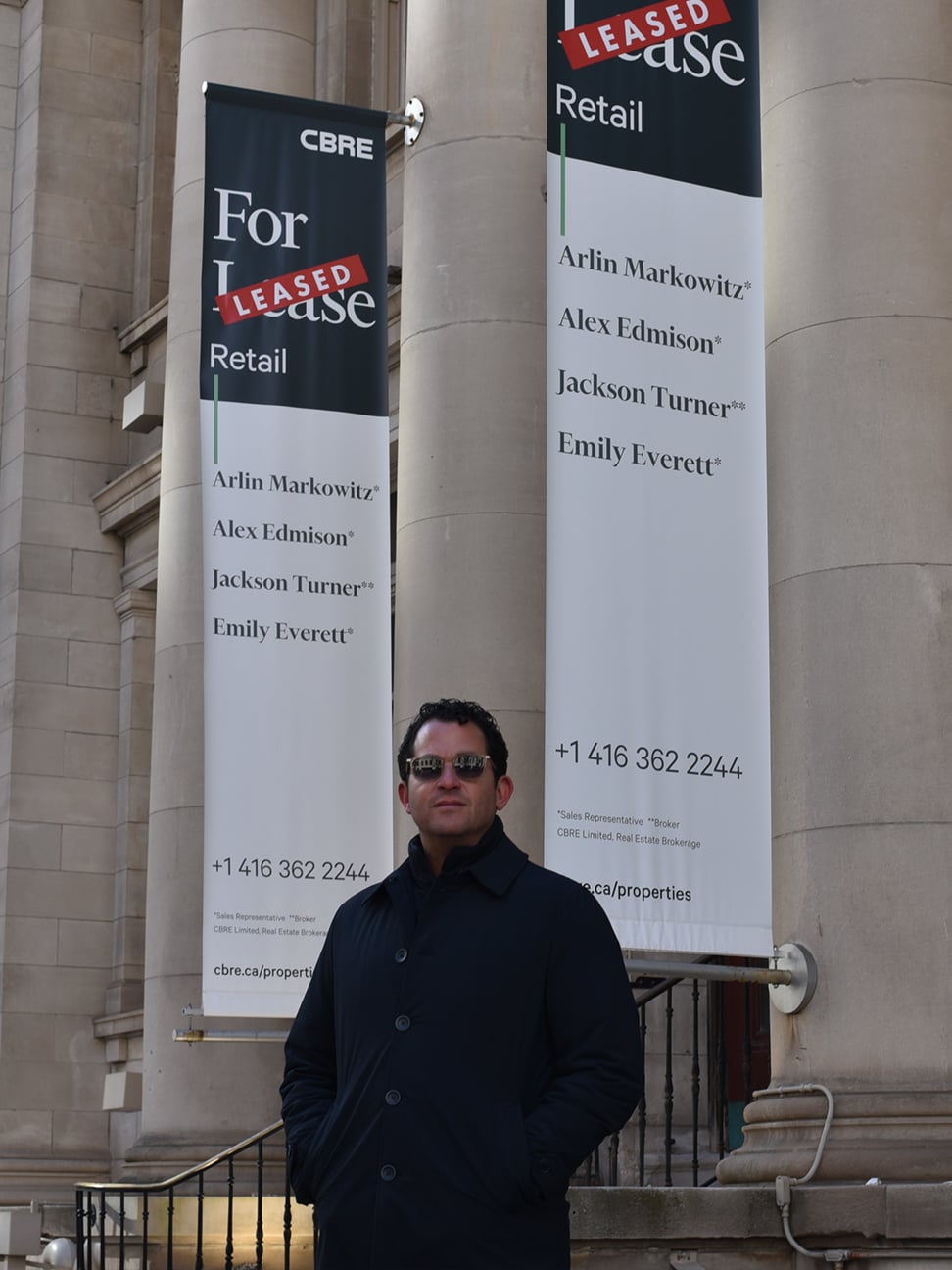
CBRE’s Arlin Markowitz says Toronto’s retail landscape is being redefined by the rise of contemporary fashion and a boom in athleisure brands.
-
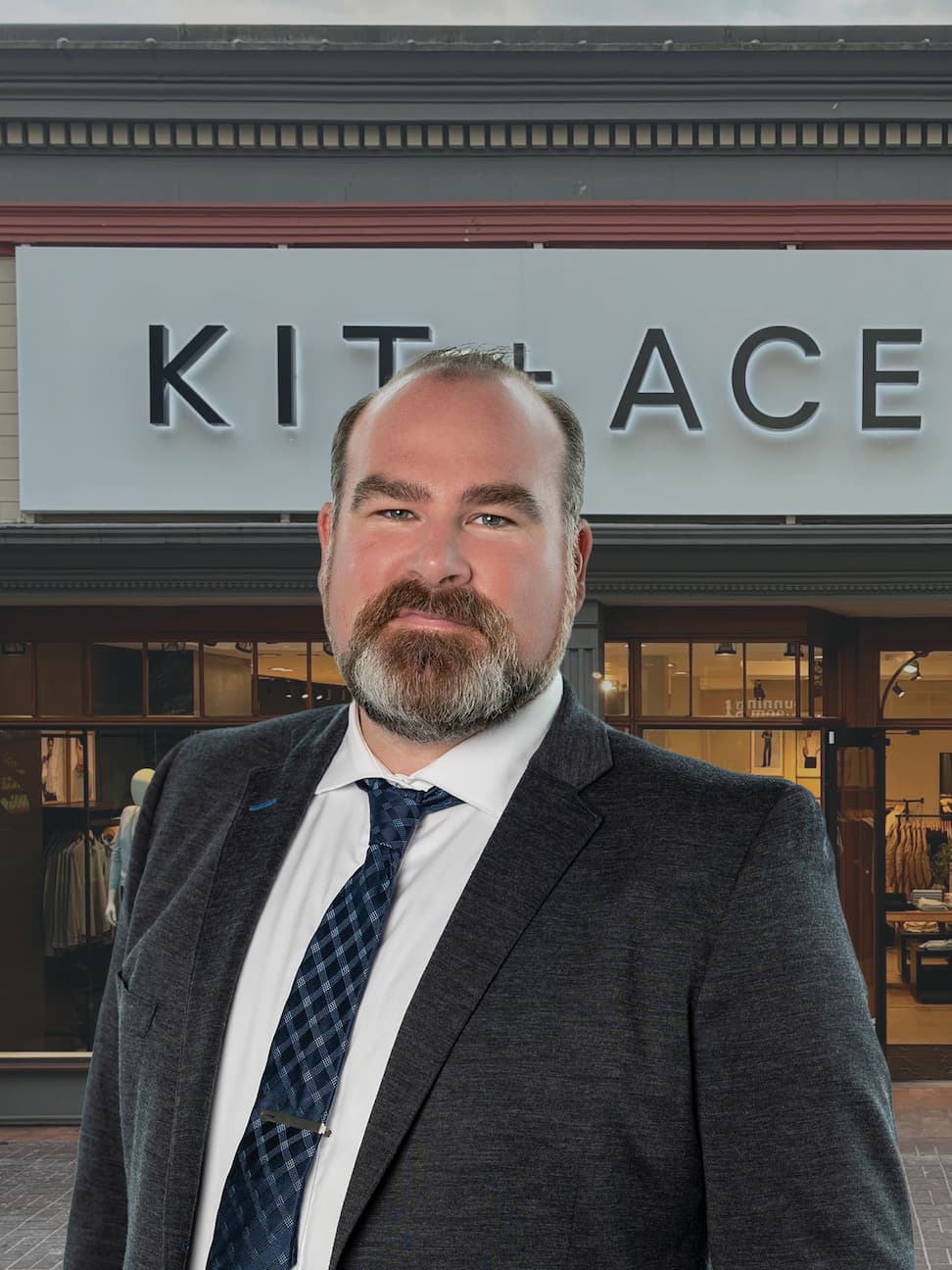
CBRE’s Jeffrey Lougheed helped Vancouver-based apparel brand KIT + ACE secure a new 2,200 sq. ft. flagship location on Victoria’s high-end Government Street, one of the city’s most iconic and active retail nodes.
Stay In The Know
Subscribe today and join hundreds of professionals who get the latest blogs delivered straight to their inbox.