
It’s tough out there for ESG right now.
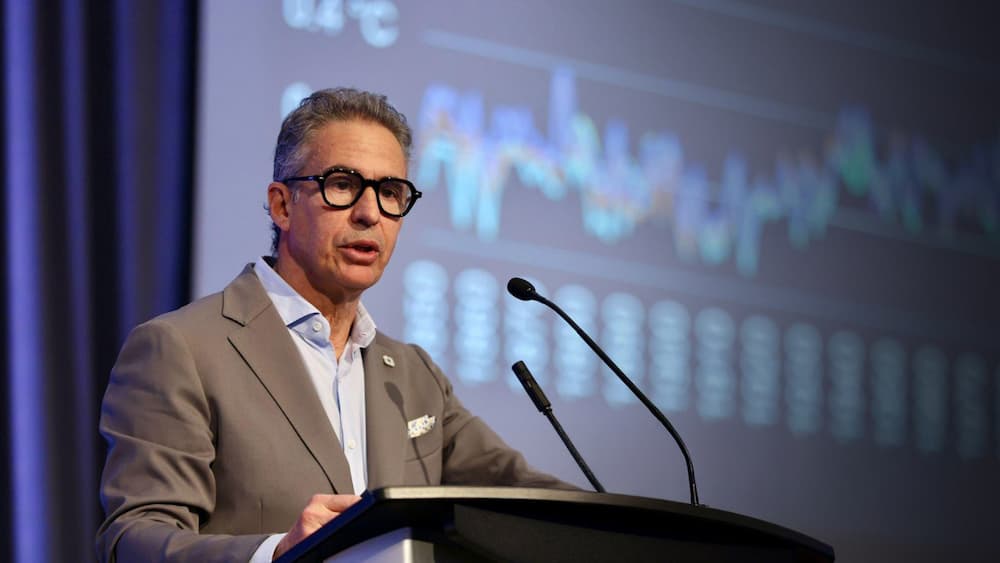
In recent remarks to the Canada Green Building Council (CAGBC), CBRE Canada Chairman Paul Morassutti noted that sustainability initiatives have become politically contentious and balancing long-term goals with short-term challenges has become increasingly difficult.
That doesn’t necessarily spell certain doom for ESG, however.
“Not that long ago many proclaimed the retail market to be dead, and then it was the office market that was supposed to be dead, and now ESG – or at least the superficial version of it – is also considered by many to be, if not dead, close to it,” Morassutti said.
“This narrative is overly simplistic, just as it was with retail and office, and the longer term trajectory on big sustainability issues won’t truly change. But it is evolving and at times there may be resets in sentiment.
“This is part of the journey.”
Mother Nature Doesn’t Do Politics
Amid all the upheaval and chaos of recent years, there has been one constant, Morassutti said: “Mother Nature could not care less about our political squabbles or economic challenges.”
He noted that 2024 was the warmest year on record and the global average mean temperature was 1.55 C above pre-industrial averages. “The previous record? The year before.”
“Oceans continue to warm, sea levels continue to rise. The frozen parts of the Earth’s surface are melting at an alarming rate. Glaciers continue to retreat. Meanwhile, extreme weather events continue to have devasting consequences around the world.”
Years ago, Morassutti recalled, now Prime Minister Mark Carney coined the phrase “the tragedy of the horizon” to describe how the short-term focus of financial and political systems prevents them from taking adequate action on long-term risks. “Notably climate change.”
“But while there is no doubt that the sustainability pendulum has swung,” Morassutti said, “support for sustainability remains high globally.”
Embodied Carbon Awareness
Morassutti said he’s often asked about the value premium to commercial real estate owners and landlords being green.
“In my opinion, adopting a sustainability strategy is more about protecting downside and ensuring that an asset will be competitive for years to come rather than a tangible premium in price.”
In addition to energy efficiency and decarbonization, he said the real estate industry needs to build awareness around the concept of embodied carbon.
Hines currently has 27 mass timber office buildings either completed or under construction including two in Toronto. And Prologis just completed the first mass timber distribution facility in Toronto.
“If the industry is going to make meaningful progress towards zero net carbon, consideration of embodied carbon will have to be part of the equation,” said Morassutti.

Pendulum Will Swing Back
Morassutti wrapped his remarks on a high note, telling his CAGBC audience that he believes the pendulum will swing back to sustainability.
“ESG theatre will continue in the short term but it will likely be more of a sideshow than an enduring force.
“The biggest headwind to a wider embrace of sustainability measures is the enormous financial pressures that most companies and individuals feel today and the uncertainty over the economy’s trajectory.
“And while we debate, Mother Nature goes about her business,” Morassutti added. “If you look at severity of global risks over the next 10 years, the picture is pretty stark. We better start paying attention.”
Recent Insights
-
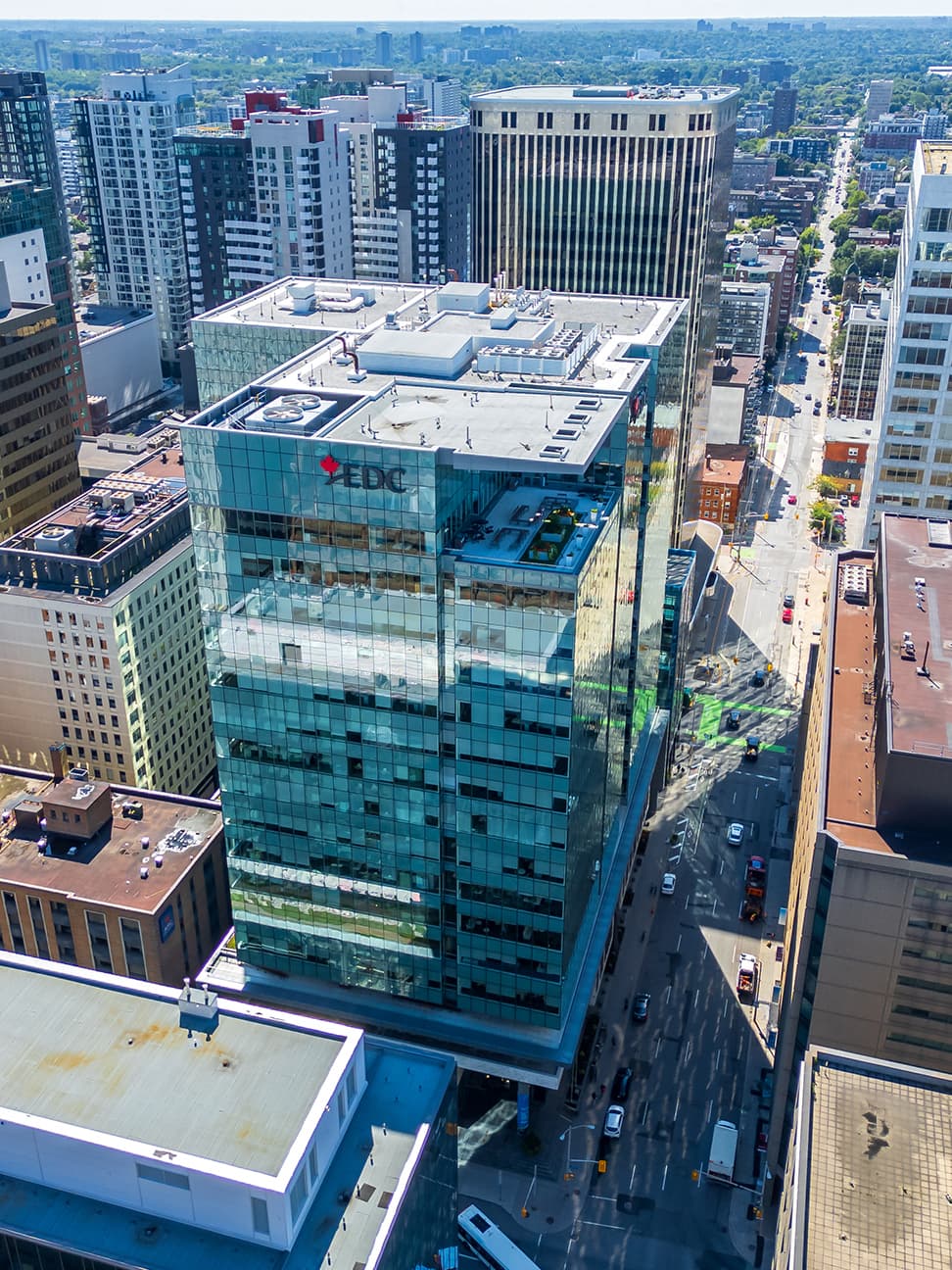
CBRE recently brokered the sale of 150 Slater St., a 447,448 sq. ft., Class A office tower in the heart of the capital’s financial district.
-
Article
CBRE Canada CEO Jon Ramscar: Investors Have a Golden Opportunity to Access Vancouver Real Estate

Jon Ramscar told the Vancouver Real Estate Forum today that there is a compelling reason to have renewed confidence in the city’s prospects: Access.
-
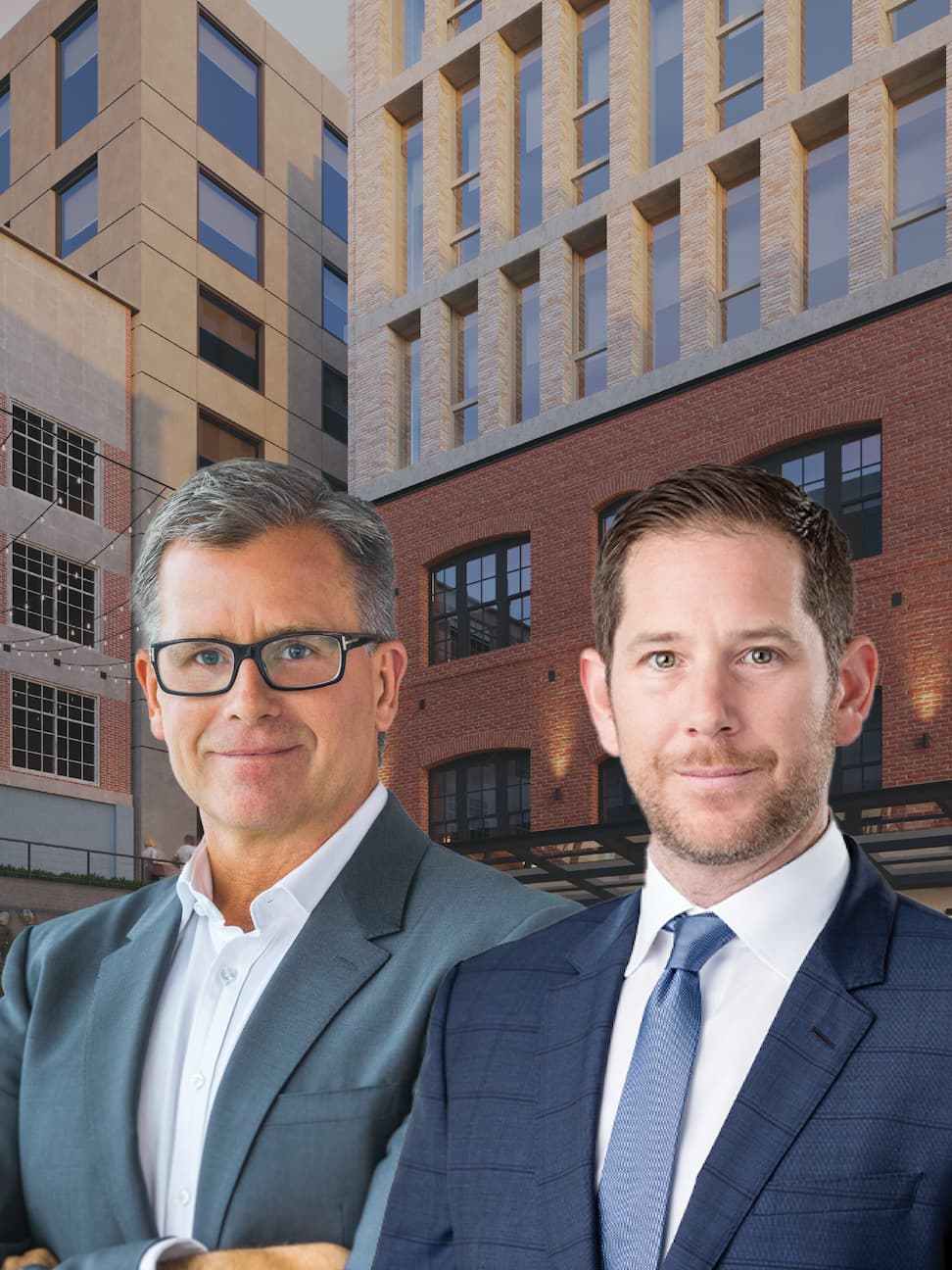
The seven-storey office building is being built on top of a restored former 100+ year old warehouse, combining the aesthetic of a century-old brick and beam structure with the functionality and sleekness of new, state-of-the-art office space.
Stay In The Know
Subscribe today and join hundreds of professionals who get the latest blogs delivered straight to their inbox.