Article | Future Cities
Business insights | Vision for a vibrant and prosperous Melbourne
How Jarrod Frazer is leveraging his leadership to foster innovation and creative solutions as part of his vision for the future of Melbourne.
August 8, 2025

Learn more about our Public Sector services
Click Here
With a career that’s spanned various sectors of the property industry, CBRE’s Executive Managing Director of Victoria Jarrod Frazer is drawn to the vibrant and ever-changing nature of real estate. As a business leader, Jarrod is focused on creating opportunities for people to thrive while his deep understanding of the positive impact that built environments have on creating strong communities and dynamic cities keep him driven to succeed.
“I’ve had various roles across commercial and residential, and prior to joining CBRE in 2009 I owned a small valuations practice, so I have that background. But really, my passion has always been around leadership, business growth, and providing opportunities for people to prosper,” Jarrod says.
“I’ve always loved that working in property gives you the opportunity to develop relationships and connections with a broad range of people in the community. As a leader, I want everyone at CBRE to have a career that's exciting and fulfilling. I want my team to succeed before I do, that’s always my intention. So, when I am looking at business growth opportunities what I am also considering is how that growth allows our team to progress, take on new roles, or create stronger networks. That’s how I look at leadership – other people prospering first.”
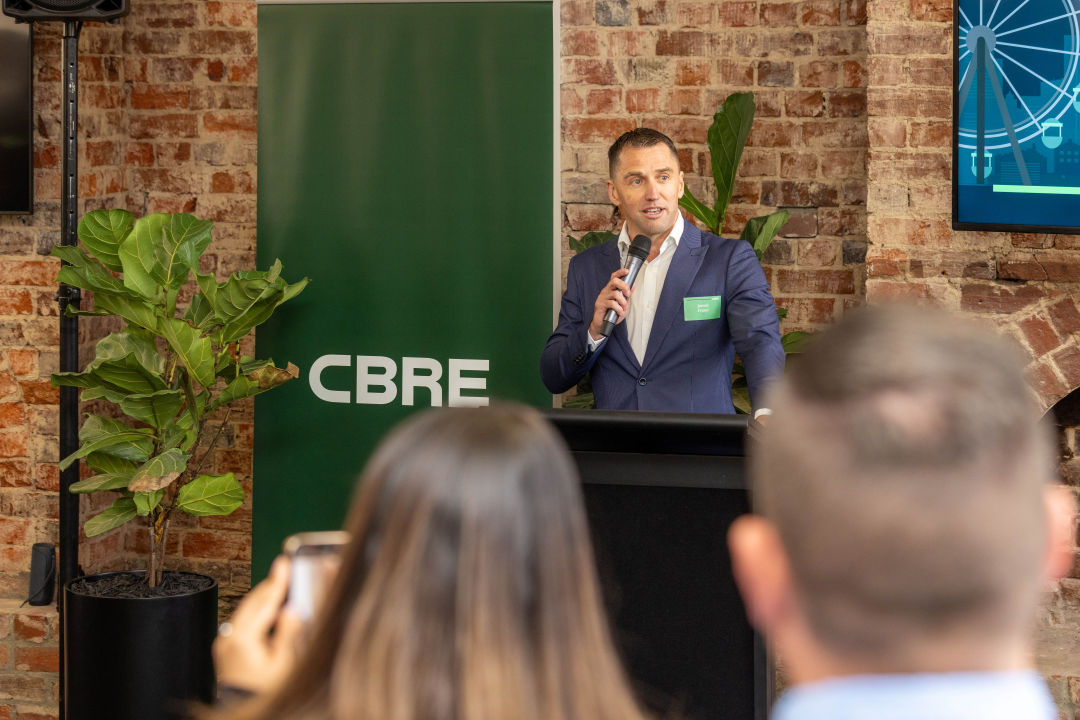
“It’s about bringing together the three elements of living, working and entertainment. I want to see Melbourne showcase diverse cultural events, a lively arts scene, bustling markets, pop-up retail in the city and green public spaces that people can enjoy,” he says.
Sporting, cultural and business events contribute significantly to the vitality of a city and Jarrod says Melbourne is well-placed to continue to deliver a diverse calendar of events.
“There’s nothing like the buzz of the city with our annual events like the Australian Open, big concerts like Taylor Swift or the vibe on our streets during the AFL season. Major events raise the international and domestic profile of Melbourne and are a catalyst for investment in infrastructure development, community engagement and economic activity,” he says.
“But Melbourne also has a great capacity for supporting innovative businesses, which creates excitement and optimism in the market. And, of course, having reliable and accessible public transport options are a key part of the puzzle to give people the chance to experience the city and build a sense of community,” Jarrod adds.
“When you walk around the CBD you can see high-end restaurants and hospitality venues doing well, premium office and retail space have no problem with occupancy, it’s the secondary or non-prime where it’s tough,” he explains. “These are the spaces that are empty, where there is reduced foot traffic. For a lot of businesses, it has become increasingly challenging to operate and CBD vacancy is the result,” Jarrod says.
While Melbourne has a strong network of private developers and builders capable of delivering housing at scale, with the state’s migration expected to accelerate innovation is essential to address the growing supply challenge.
To solve these complex problems, Jarrod believes that it’s going to take bold ideas and collaboration between the public and private sector, as well as community engagement.
“I can see so much opportunity,” Jarrod says. “Bringing everyone with an innovative mindset around the table will help us support development and investment initiatives that nurture resilient and prospering communities. We need that collaboration between public and private sectors to make it work.”
Jarrod sees involvement from the property sector as integral to revitalising Melbourne by boosting urban planning and innovation hubs.
“Investing in public spaces, like parks and recreational areas, that encourage social interaction is important. Designing mixed-use spaces that can integrate all property sectors – residential, commercial, recreational – is the best way to create liveable communities,” he explains.
“The Victorian Government is investing in growth areas and we know institutions and investors require stability to invest confidently, so our role as business leaders, and property experts, is to help bridge the gap by creating the right conditions for partnerships between private and public sectors.”
“Revitalising occupancy in our buildings will require coordinated efforts across public and private sectors to balance flexibility with a strong workplace culture,” Jarrod says.
While drawing people back to CBD offices with high-quality facilities like flexible layout, high quality tech, modern amenities, and sustainability credentials is important, Jarrod highlights the need for developing activated precincts nearby.
“Good offices, and access to public transport, gets people back in the CBD which then supports local business and enhances collaboration among workers when people leave the office to get a coffee, meet up with friends for lunch, or just take a walk outside. So, access to complementary communal spaces and precincts is vital,” Jarrod says.
Jarrod notes there is both a significant challenge and opportunity facing the city when it comes to making use of older buildings.
“A programme to revitalise or repurpose some of our dilapidated office buildings is one of the areas where the property sector can make a significant contribution, especially when it comes to supporting eco-friendly construction, sustainable practices and reducing environmental impact,” he adds.
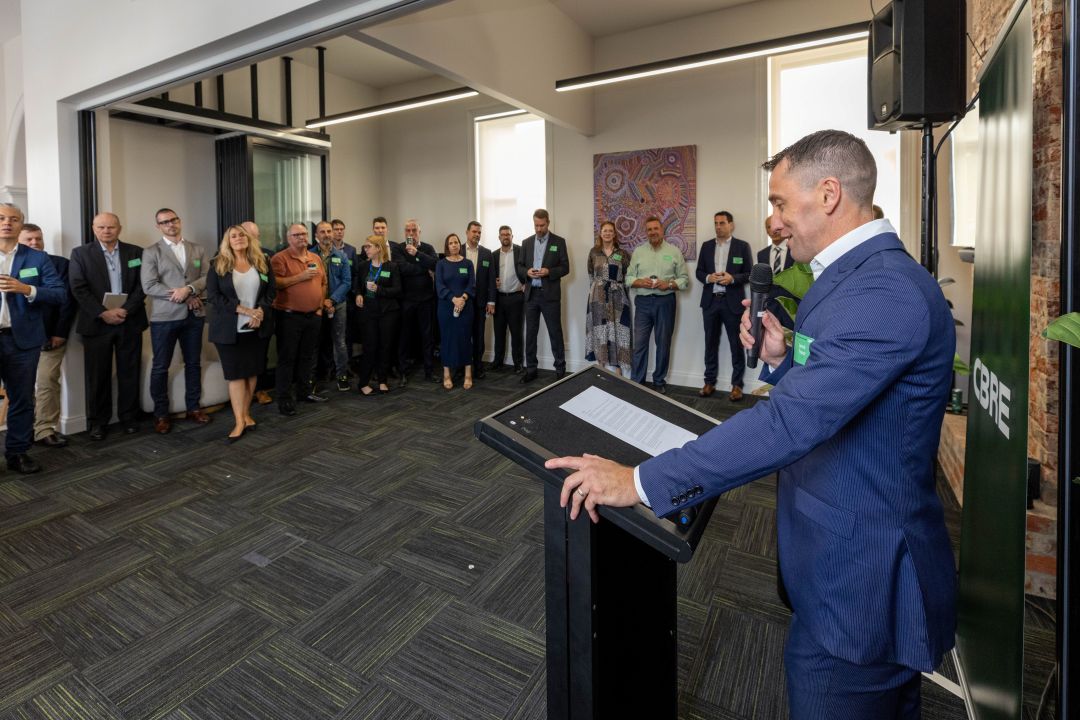
“When people have options of different modes of transport – walking, cycling, trams, and trains - in the suburbs where they live it influences other areas of their life such as schools, shops, and local sports,” he explains.
Transport hubs mean increased foot traffic which attracts businesses, cafés, and retailers. One standout example of this is at Southern Cross Station where CBRE was engaged to lease retail space.
“Southern Cross Station is a component of Melbourne’s rapidly changing rail network. With the city’s new Metro Tunnel set to open in 2025, there will be five new underground stations for the city. Creating a rich mix of high-quality tenants in high foot traffic spaces, is a strategy that can be tailored to other precincts like office and education or even residential areas,” Jarrod says.
“Arden Station, and surrounds, in North Melbourne is a great example of the development of a significant urban precinct by the Victorian Government that is going to transform that area. With the nearby hospital precinct, we know the development of new apartments for purchase and renting is going to attract a high proportion of healthcare workers to the area, but when other sectors such as dining, arts, recreational services are activated in the location the diversity will attract different demographics of people who want to live, work, visit and play in Arden. It’s that classic ‘build it and they will come’ vision that will be realised,” Jarrod says.
“I’ve had various roles across commercial and residential, and prior to joining CBRE in 2009 I owned a small valuations practice, so I have that background. But really, my passion has always been around leadership, business growth, and providing opportunities for people to prosper,” Jarrod says.
“I’ve always loved that working in property gives you the opportunity to develop relationships and connections with a broad range of people in the community. As a leader, I want everyone at CBRE to have a career that's exciting and fulfilling. I want my team to succeed before I do, that’s always my intention. So, when I am looking at business growth opportunities what I am also considering is how that growth allows our team to progress, take on new roles, or create stronger networks. That’s how I look at leadership – other people prospering first.”
Towards a vibrant, prosperous Melbourne
Born and raised in Melbourne, Jarrod has experienced how cultural events, an active arts scene and connectivity contributes to a high quality of life. While proud of all that is on offer Jarrod, like many business leaders, feels in recent years some of the energy and optimism in Melbourne has dimmed.“It’s about bringing together the three elements of living, working and entertainment. I want to see Melbourne showcase diverse cultural events, a lively arts scene, bustling markets, pop-up retail in the city and green public spaces that people can enjoy,” he says.
Sporting, cultural and business events contribute significantly to the vitality of a city and Jarrod says Melbourne is well-placed to continue to deliver a diverse calendar of events.
“There’s nothing like the buzz of the city with our annual events like the Australian Open, big concerts like Taylor Swift or the vibe on our streets during the AFL season. Major events raise the international and domestic profile of Melbourne and are a catalyst for investment in infrastructure development, community engagement and economic activity,” he says.
“But Melbourne also has a great capacity for supporting innovative businesses, which creates excitement and optimism in the market. And, of course, having reliable and accessible public transport options are a key part of the puzzle to give people the chance to experience the city and build a sense of community,” Jarrod adds.
The power of public and private sector partnerships
For Jarrod, one of the main challenges that needs to be addressed in the pursuit of a prosperous Melbourne is closing the growing divide between high-end and everyday offerings.“When you walk around the CBD you can see high-end restaurants and hospitality venues doing well, premium office and retail space have no problem with occupancy, it’s the secondary or non-prime where it’s tough,” he explains. “These are the spaces that are empty, where there is reduced foot traffic. For a lot of businesses, it has become increasingly challenging to operate and CBD vacancy is the result,” Jarrod says.
While Melbourne has a strong network of private developers and builders capable of delivering housing at scale, with the state’s migration expected to accelerate innovation is essential to address the growing supply challenge.
To solve these complex problems, Jarrod believes that it’s going to take bold ideas and collaboration between the public and private sector, as well as community engagement.
“I can see so much opportunity,” Jarrod says. “Bringing everyone with an innovative mindset around the table will help us support development and investment initiatives that nurture resilient and prospering communities. We need that collaboration between public and private sectors to make it work.”
Jarrod sees involvement from the property sector as integral to revitalising Melbourne by boosting urban planning and innovation hubs.
“Investing in public spaces, like parks and recreational areas, that encourage social interaction is important. Designing mixed-use spaces that can integrate all property sectors – residential, commercial, recreational – is the best way to create liveable communities,” he explains.
“The Victorian Government is investing in growth areas and we know institutions and investors require stability to invest confidently, so our role as business leaders, and property experts, is to help bridge the gap by creating the right conditions for partnerships between private and public sectors.”
The importance of office
People bring life to cities, yet Melbourne trails other Australian CBDs in office reactivation. CBRE data shows Q2 2025 average office attendance in Melbourne’s CBD is 60% of pre-COVID levels with the peak attendance being Thursdays at 70% while Fridays are below 50%.“Revitalising occupancy in our buildings will require coordinated efforts across public and private sectors to balance flexibility with a strong workplace culture,” Jarrod says.
While drawing people back to CBD offices with high-quality facilities like flexible layout, high quality tech, modern amenities, and sustainability credentials is important, Jarrod highlights the need for developing activated precincts nearby.
“Good offices, and access to public transport, gets people back in the CBD which then supports local business and enhances collaboration among workers when people leave the office to get a coffee, meet up with friends for lunch, or just take a walk outside. So, access to complementary communal spaces and precincts is vital,” Jarrod says.
Jarrod notes there is both a significant challenge and opportunity facing the city when it comes to making use of older buildings.
“A programme to revitalise or repurpose some of our dilapidated office buildings is one of the areas where the property sector can make a significant contribution, especially when it comes to supporting eco-friendly construction, sustainable practices and reducing environmental impact,” he adds.
Creating connectivity
Jarrod sees investment in transport hubs, public transport and road networks as integral to Melbourne’s future to improve connectivity and encourage economic growth.“When people have options of different modes of transport – walking, cycling, trams, and trains - in the suburbs where they live it influences other areas of their life such as schools, shops, and local sports,” he explains.
Transport hubs mean increased foot traffic which attracts businesses, cafés, and retailers. One standout example of this is at Southern Cross Station where CBRE was engaged to lease retail space.
“Southern Cross Station is a component of Melbourne’s rapidly changing rail network. With the city’s new Metro Tunnel set to open in 2025, there will be five new underground stations for the city. Creating a rich mix of high-quality tenants in high foot traffic spaces, is a strategy that can be tailored to other precincts like office and education or even residential areas,” Jarrod says.
“Arden Station, and surrounds, in North Melbourne is a great example of the development of a significant urban precinct by the Victorian Government that is going to transform that area. With the nearby hospital precinct, we know the development of new apartments for purchase and renting is going to attract a high proportion of healthcare workers to the area, but when other sectors such as dining, arts, recreational services are activated in the location the diversity will attract different demographics of people who want to live, work, visit and play in Arden. It’s that classic ‘build it and they will come’ vision that will be realised,” Jarrod says.
