Article
Business Insights | Large Format Retail Gains Momentum Amid Competition Shake-Up
October 28, 2025 6 Minute Read
Government reforms to remove barriers to entry into the grocery sector, along with Ikea opening in Auckland, are changing the competitive landscape in large format retail as investor interest in the sector warms up.
It is hoped that streamlined consenting processes will pave the way for new entrants to challenge the existing supermarket duopoly in New Zealand, while Ikea products will be accessible to consumers around the country via online pick-up locations.
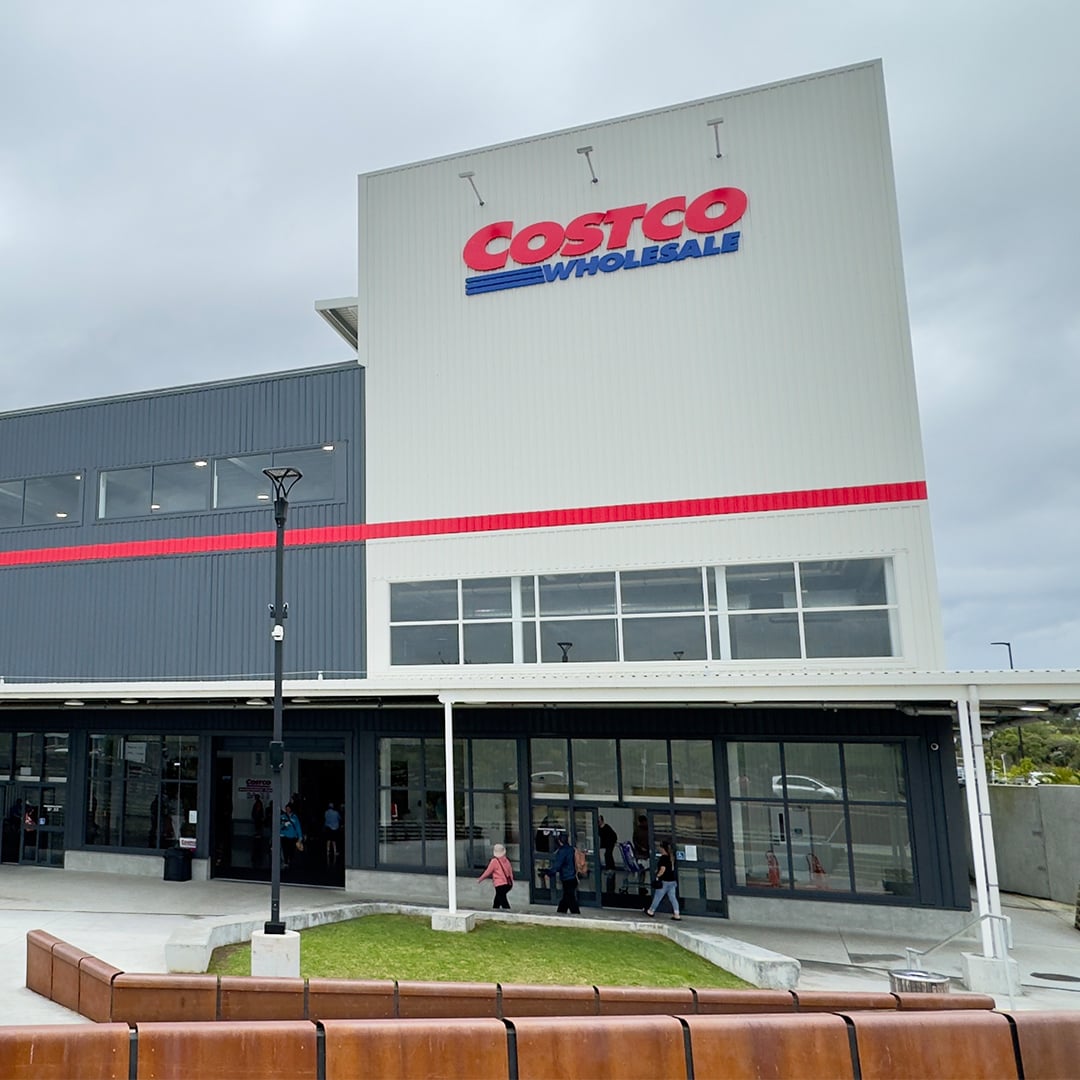
CBRE’s national director of retail capital markets, Caiti Morgan, said Costco’s arrival in West Auckland has already sharpened local competition, with the government’s moves encouraging the company to press ahead with its plans to open further stores in New Zealand.
“Costco has publicly stated that the government’s express-consenting reforms will help its expansion in New Zealand and it is working on options for other locations outside Auckland.”
Costco has generated $361 million of New Zealand revenue in its second year of trading with only one store location - over half the total reported annual sales of Westfield Riccarton, the South Island’s largest mall.
Meanwhile Ikea’s upcoming opening in December is expected to disrupt the furniture sector and give consumers nationwide access to its products. The Swedish furniture and homeware retailer will open its first New Zealand store in Auckland, with nationwide online sales from day one and 29 pick-up points across the country through partners Mainfreight and NZ Post.
Forsyth Barr estimates Ikea could generate about $191m in annual sales and capture around 6% of the New Zealand furniture and homewares market.
As well as bringing pricing benefits for consumers through increased competition, category disruptors like Ikea and potential new supermarket entrants will have a broader positive impact on the large format retail market, Morgan said.
“International retail chains entering the New Zealand market is positive for our retail centres as a whole, bringing enhanced tenant mixes and lifting destination appeal for large-format precincts, where multiple tenants can benefit from increased visitor numbers generated by key occupiers.”
Capital markets interest in retail centres in New Zealand is also building. Local private investors are active, Australian parties are weighing up opportunities and several syndicators are lining up retail capital raises.
“We’re seeing investor interest being directed positively into New Zealand retail, with large format centres particularly sought after. Investors like the land-rich nature of these assets, the strong national and international tenant covenants and the quasi-industrial element that comes with large format brands’ product distribution networks. Operating expenses are typically also lower than enclosed malls, resulting in relatively low-maintenance, efficient assets.”
These factors, together with declining debt rates, mean investment enquiry is rising. Including standalone retail assets, there have been around two dozen large format retail sales over $20m nationally since the start of 2024. These transactions, which include Manukau Supa Centa in Auckland (sold for around $161m) have helped refocus offshore attention on New Zealand prime large-format retail assets in a positive way.
Combined with the relatively strong absolute yields on offer, the turn in sentiment towards the retail sector has helped deliver a double digit yield firming for retail centres in this year, according to CBRE Research.
Government policy changes on seismic obligations are also expected to support investment activity. The government’s proposed risk-based reset of the earthquake-prone building system to allow more cost-effective remediation is expected to give offshore investors greater confidence when considering acquisitions in New Zealand.
While low vacancy, rent increases and current capitalisation rates in large format retail are creating a more positive buying opportunity for investors nationally, Christchurch’s market stands out. Despite ongoing challenges to consumer spending, the market remains tight and well leased, said Morgan.
“The economic environment for retailers is still extremely difficult, with many households still challenged despite interest rate cuts. It’s a positive sign for the strength of the Christchurch market that quality centres anchored by strong brands are performing well.”
Christchurch’s strength is reflected in retail sales figures. In the year to March 2025, retail sales in Canterbury rose about 1%, versus declines in Auckland and Wellington, said CBRE Christchurch managing director Tim Rookes.
“The South Island economy is benefiting from the momentum generated by the strong primary sector and the tourism recovery. This relative resilience is demonstrated in consumer spending stability, which is giving developers the confidence to proceed with new large format retail centres, despite the highly challenging consumer spend backdrop.”
Recent new retail developments to open in Christchurch include Pak’nSave Rolleston (the chain’s largest store in the South Island). In the pipeline is Carter Group’s The Station at Rolleston, planned to be the South Island’s largest outdoor retail centre; while a Carter Group site in Rolleston has consent for a potential new 7ha Costco development. Significant new retail space is also planned for Halswell, including a Woolworths supermarket at 201 Halswell Road and The Acres retail development nearby.
It is hoped that streamlined consenting processes will pave the way for new entrants to challenge the existing supermarket duopoly in New Zealand, while Ikea products will be accessible to consumers around the country via online pick-up locations.
CBRE’s national director of retail capital markets, Caiti Morgan, said Costco’s arrival in West Auckland has already sharpened local competition, with the government’s moves encouraging the company to press ahead with its plans to open further stores in New Zealand.
“Costco has publicly stated that the government’s express-consenting reforms will help its expansion in New Zealand and it is working on options for other locations outside Auckland.”
Costco has generated $361 million of New Zealand revenue in its second year of trading with only one store location - over half the total reported annual sales of Westfield Riccarton, the South Island’s largest mall.
Meanwhile Ikea’s upcoming opening in December is expected to disrupt the furniture sector and give consumers nationwide access to its products. The Swedish furniture and homeware retailer will open its first New Zealand store in Auckland, with nationwide online sales from day one and 29 pick-up points across the country through partners Mainfreight and NZ Post.
Forsyth Barr estimates Ikea could generate about $191m in annual sales and capture around 6% of the New Zealand furniture and homewares market.
As well as bringing pricing benefits for consumers through increased competition, category disruptors like Ikea and potential new supermarket entrants will have a broader positive impact on the large format retail market, Morgan said.
“International retail chains entering the New Zealand market is positive for our retail centres as a whole, bringing enhanced tenant mixes and lifting destination appeal for large-format precincts, where multiple tenants can benefit from increased visitor numbers generated by key occupiers.”
Capital markets interest in retail centres in New Zealand is also building. Local private investors are active, Australian parties are weighing up opportunities and several syndicators are lining up retail capital raises.
“We’re seeing investor interest being directed positively into New Zealand retail, with large format centres particularly sought after. Investors like the land-rich nature of these assets, the strong national and international tenant covenants and the quasi-industrial element that comes with large format brands’ product distribution networks. Operating expenses are typically also lower than enclosed malls, resulting in relatively low-maintenance, efficient assets.”
These factors, together with declining debt rates, mean investment enquiry is rising. Including standalone retail assets, there have been around two dozen large format retail sales over $20m nationally since the start of 2024. These transactions, which include Manukau Supa Centa in Auckland (sold for around $161m) have helped refocus offshore attention on New Zealand prime large-format retail assets in a positive way.
Combined with the relatively strong absolute yields on offer, the turn in sentiment towards the retail sector has helped deliver a double digit yield firming for retail centres in this year, according to CBRE Research.
Government policy changes on seismic obligations are also expected to support investment activity. The government’s proposed risk-based reset of the earthquake-prone building system to allow more cost-effective remediation is expected to give offshore investors greater confidence when considering acquisitions in New Zealand.
While low vacancy, rent increases and current capitalisation rates in large format retail are creating a more positive buying opportunity for investors nationally, Christchurch’s market stands out. Despite ongoing challenges to consumer spending, the market remains tight and well leased, said Morgan.
“The economic environment for retailers is still extremely difficult, with many households still challenged despite interest rate cuts. It’s a positive sign for the strength of the Christchurch market that quality centres anchored by strong brands are performing well.”
Christchurch’s strength is reflected in retail sales figures. In the year to March 2025, retail sales in Canterbury rose about 1%, versus declines in Auckland and Wellington, said CBRE Christchurch managing director Tim Rookes.
“The South Island economy is benefiting from the momentum generated by the strong primary sector and the tourism recovery. This relative resilience is demonstrated in consumer spending stability, which is giving developers the confidence to proceed with new large format retail centres, despite the highly challenging consumer spend backdrop.”
Recent new retail developments to open in Christchurch include Pak’nSave Rolleston (the chain’s largest store in the South Island). In the pipeline is Carter Group’s The Station at Rolleston, planned to be the South Island’s largest outdoor retail centre; while a Carter Group site in Rolleston has consent for a potential new 7ha Costco development. Significant new retail space is also planned for Halswell, including a Woolworths supermarket at 201 Halswell Road and The Acres retail development nearby.