Article
Expect More Positive News For Vancouver Commercial Real Estate in 2025
November 14, 2024 4 Minute Read

The B.C. economy is no longer an unstoppable force. But CBRE’s outlook for Vancouver’s commercial real estate market forecasts improved prospects in the year ahead.
“For all the scrutiny of the office market, demand and fundamentals are simply returning to long-term averages, which means improvement for some asset classes and corrections for others,” CBRE Vancouver Managing Director Jason Kiselbach told a Market Outlook audience at the Fairmont Hotel Vancouver on Nov. 7.
“When it comes to commercial property sales, investor confidence is on the rise as interest rates trend lower and trading volumes are expected to increase. And land sales and development are still in a period of adjustment until project revenues increase or cost pressures can be alleviated.
“Overall, we are heading in the right direction and expect more positive news in 2025.”
Here is CBRE’s forecast for Vancouver’s key commercial real estate sectors:
Office Will Improve
Downtown office vacancy has been stubbornly high, hovering between 11% and 12%, as tenants continue to right-size. But Kiselbach noted that several trends have brought renewed confidence to the market:
- Smaller businesses are giving back space as they are more affected by hybrid and remote work, but the impact is spread over a cross-section of buildings and asset classes. Medium and large occupiers, on the other hand, continue to see the value of their office real estate long-term.
- Overall tenant demand is increasing. CBRE is currently tracking close to 800,000 sq. ft. of office requirements for downtown office space greater than 5,000 sq. ft. This demand is well diversified, including business services, engineers, legal and tech. The breadth of office demand reflects the diversity of the economy, reducing reliance on any single industry to drive the market.
- Tenants are again prepared to commit to longer-term leases, with nearly 70% of transactions over the past two years involving five-year terms or more.
Industrial Fundamentals Adjust to Changing Demand
After several years of historically low vacancy rates, demand for industrial space has declined over the past 12 months and market fundamentals have also been impacted by the second-highest amount of new construction on record.
“This year we expect new industrial developments to have the lowest amount of pre-leasing of the past seven years,” Kiselbach said. “So expect industrial availability to continue to climb.”

Retail Performing Well
Demand for retail space and consumer spending have been supported by population growth in Metro Vancouver, healthy levels of tourism and broad-based spending across many categories.
“While local consumers have been resilient in recent years, consumer spending is on the decline, which could impact retailers offering non-essential or luxury items,” Kiselbach said.
Strong brands in prime locations continue to perform well with new store openings and expansions in the major retail corridors. There has also been strong leasing activity from grocery stores in suburban developments.
Retail construction has declined in recent years and this trend is expected to continue in 2025.
Apartment Rents Softening
Vancouver continues to boast the lowest vacancy rate for apartment units in North America, below 1% due to an undersupply of housing and significant population growth; however, apartment rents have been declining.
“This may be the result of loss people moving to Alberta, underlying weakness in the economy, or we may simply be nearing the ceiling of what people can pay for a one-bedroom unit in the Greater Vancouver Area,” Kiselbach said.
Investment Sales Spark Optimism
Vancouver’s investment sales market is showing signs of optimism after a quiet year. The total value of commercial properties traded through the first half of 2024 is up 5% compared to the five-year average led by land, industrial and retail properties.
So far in 2024 there have been 15 transactions over $50 million and those deals account for a third of the total sales volume for the region. These include marquee transactions such as the largest office sale in five years and the region’s largest-ever industrial land sale transaction.
Several large-scale transactions have been announced this fall, suggesting sales volumes will remain elevated in the second half of 2024 and into next year. “And we anticipate the return of institutional and REIT acquisitions, particularly in the multi-family and industrial sectors,” Kiselbach said.
Development Land Sales Challenged
Development land continues to be the most challenged sector in Metro Vancouver, especially residential and mixed-use sites. Development proformas are impacted by a combination of reduced demand and project revenues, while construction costs, financing costs and government fees remain elevated.
“Essentially, developers can no longer rely on rising end unit pricing to offset rising construction costs,” Kiselbach said. This has significantly reduced residential development property sales and there has also been a significant increase in distressed sales, which accounted for almost 13% of all residential land sales in the first half of the year.
“The pace of these court-ordered sale listings has not slowed,” Kiselbach said. “We anticipate that distressed deals will continue to represent a significant portion of the residential land market through early 2025.”
Recent Insights
-
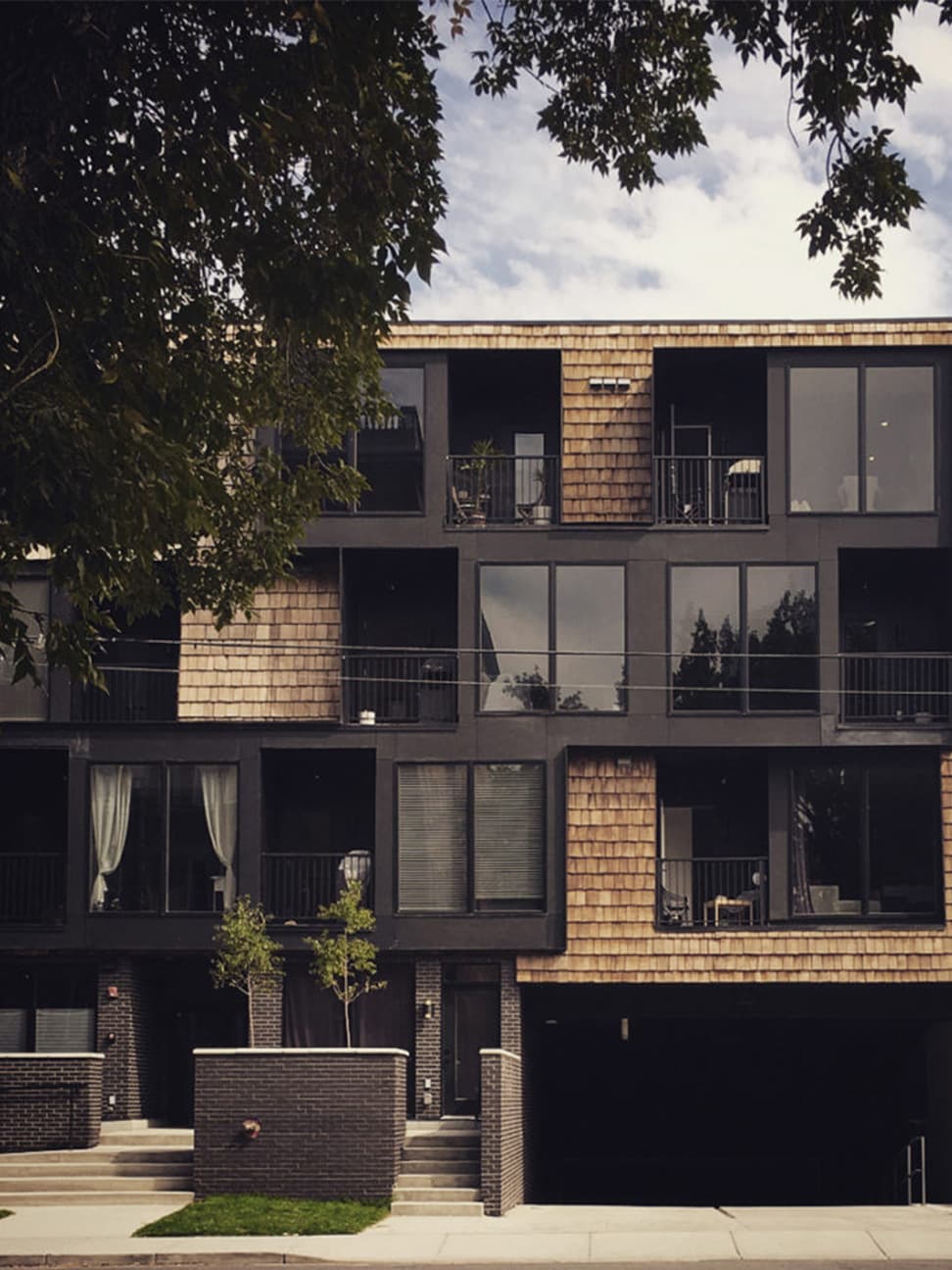
CBRE facilitated the sale and financing of SWITCHbloc, a 19-unit apartment property in Calgary’s Lower Mount Royal neighbourhood.
-

CBRE is looking for Saskatoon’s first downtown grocery store at a major new mixed-use redevelopment at the former Star Phoenix site.
-

For the first time since before the pandemic office leasing momentum remained positive for a fourth consecutive quarter in the second quarter of 2026.
Stay In The Know
Subscribe today and join hundreds of professionals who get the latest blogs delivered straight to their inbox.