Article | Intelligent Investment
Business Insights | Maximise Returns and Mitigate Risks in Australia’s Renewable Energy Investments
Australia's renewable energy sector is rapidly emerging as a premier destination for capital, offering 5-18% IRRs and long-term value creation for strategic investors navigating its unique dynamics.
November 21, 2025

Learn more about renewable energy investment
Click Here
As Australia transitions towards cleaner energy, increased government incentives as well as decreasing technology costs are expected to boost Internal Rates of Return (IRR), making renewable projects attractive to investors.
“A number of factors are driving the surge in renewable energy investment in Australia. The Federal Government’s push towards net-zero, along with favourable policies and financial incentives, including subsidies, are giving the sector a boost and delivering investors increasing opportunities for value,” CBRE’s Capital Markets Manager for Energy & Infrastructure Lee Holdsworth says.
CBRE Research shows IRRs vary depending on the project but are forecast to be between 5% to 15% for solar farms, 8% to 12% for wind farms, and 12% to 18% for four-hour battery storage systems.
But while there is significant opportunity, the renewable energy market requires different considerations compared to the traditional real estate market which investors should take into account.
“Unlike traditional commercial real estate investment, new renewable projects can take years from initial site selection to delivery. For major solar projects it could be between five and seven years and for wind farm projects it could be between seven and nine years,” Lee says.
This longer gestation period is a fundamental characteristic, not a drawback. It necessitates a robust, patient capital strategy and a sophisticated approach to project management.
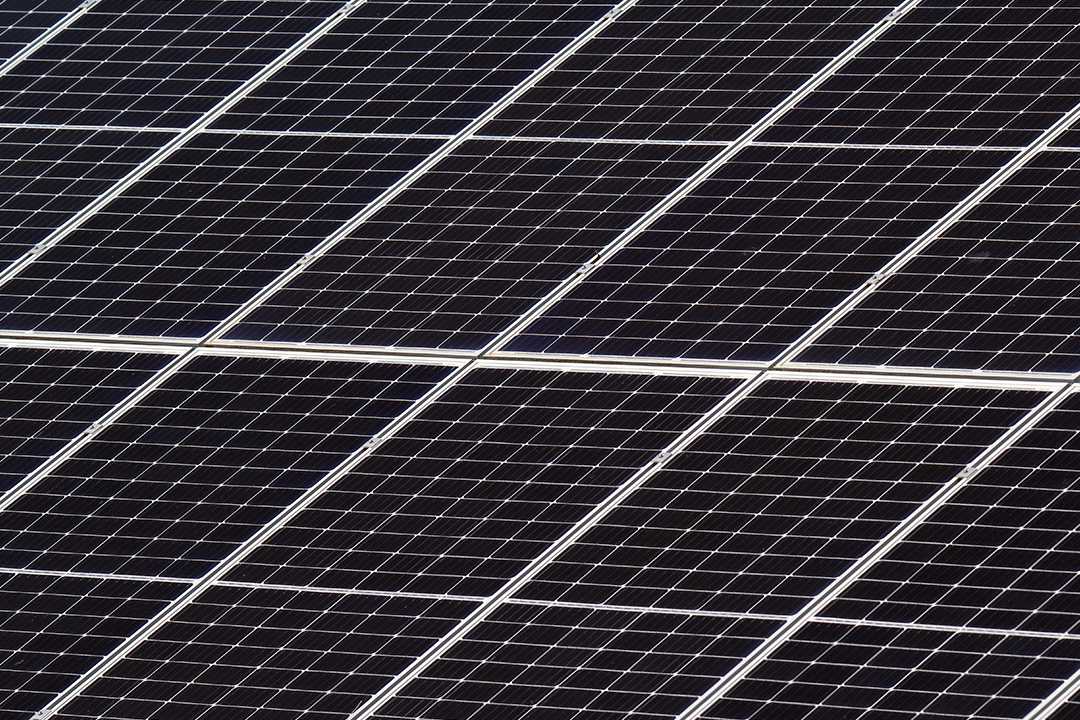
“The Federal and State Governments support renewable energy growth in a range of ways including grants, rebates, tax incentives, low-interest loans, and funding programs which all aim to encourage investment in renewable energy,” Lee says.
Lee notes it’s important to understand the policies and incentives available in the region where the project is located. Any shifts in the political landscape can change the potential viability of a project.
For investors and developers, this means a deep understanding of the current policy landscape, and crucially, the ability to anticipate and adapt to potential shifts. Due diligence must extend beyond financial models to incorporate a sophisticated analysis of regulatory stability and regional nuances.
“In all aspects of life, technology is evolving very quickly and this sector is no different,” Lee says. “Investors need to be aware of advances in battery storage, hydrogen and smart grids which can all have an impact on profitability. Diversifying your portfolio across different technologies and regions will help mitigate risks.”
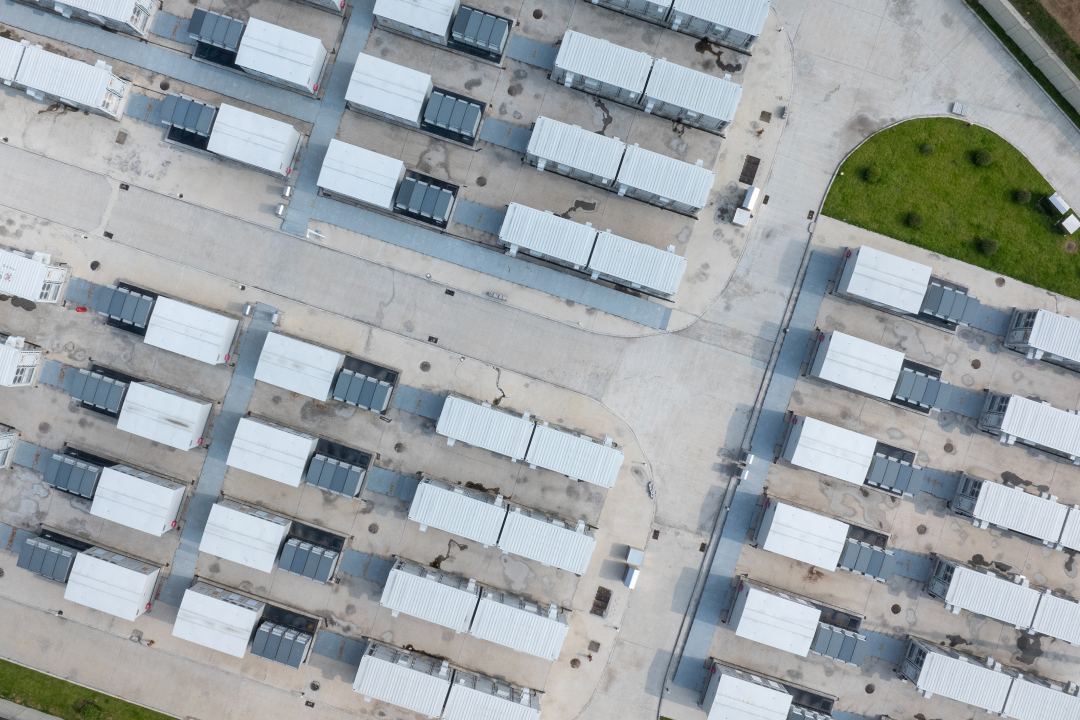
Lee says battery storage in particular is important to consider when it comes to maximising investment in renewable projects.
“Leveraging battery storage as part of solar and wind projects can reduce lag time, deliver cost savings, and provide the ability to store excess electricity during peak hours. Batteries help balance the grid and allow us to use renewable energy when it’s needed most and they can potentially generate higher returns by charging during off-peak times and distributing energy during high-demand periods,” Lee added.
“A number of factors are driving the surge in renewable energy investment in Australia. The Federal Government’s push towards net-zero, along with favourable policies and financial incentives, including subsidies, are giving the sector a boost and delivering investors increasing opportunities for value,” CBRE’s Capital Markets Manager for Energy & Infrastructure Lee Holdsworth says.
CBRE Research shows IRRs vary depending on the project but are forecast to be between 5% to 15% for solar farms, 8% to 12% for wind farms, and 12% to 18% for four-hour battery storage systems.
But while there is significant opportunity, the renewable energy market requires different considerations compared to the traditional real estate market which investors should take into account.
Strategic Patience: You need to be in it for the long haul
Renewable energy investments often require a long-term outlook as project development cycles can be lengthy.“Unlike traditional commercial real estate investment, new renewable projects can take years from initial site selection to delivery. For major solar projects it could be between five and seven years and for wind farm projects it could be between seven and nine years,” Lee says.
This longer gestation period is a fundamental characteristic, not a drawback. It necessitates a robust, patient capital strategy and a sophisticated approach to project management.
- For investors it means securing stable, long-term cash flows once operational.
- For developers it underscores the critical importance of early-stage de-risking, meticulous planning, and strong stakeholder engagement to navigate regulatory complexities and secure financing.
Stability Amidst Evolution: The challenge of a shifting regulatory environment
There are a considerable number of government incentives and subsidies that help drive healthy level of returns.“The Federal and State Governments support renewable energy growth in a range of ways including grants, rebates, tax incentives, low-interest loans, and funding programs which all aim to encourage investment in renewable energy,” Lee says.
Lee notes it’s important to understand the policies and incentives available in the region where the project is located. Any shifts in the political landscape can change the potential viability of a project.
For investors and developers, this means a deep understanding of the current policy landscape, and crucially, the ability to anticipate and adapt to potential shifts. Due diligence must extend beyond financial models to incorporate a sophisticated analysis of regulatory stability and regional nuances.
Changing technology
Renewable energy technology is changing rapidly, making it important to price in redundancies and upgrades when looking at any potential investment.“In all aspects of life, technology is evolving very quickly and this sector is no different,” Lee says. “Investors need to be aware of advances in battery storage, hydrogen and smart grids which can all have an impact on profitability. Diversifying your portfolio across different technologies and regions will help mitigate risks.”
Consider co-location
Many new projects include solar, wind and battery storage as part of an integrated co-location offering, providing operational and cost-saving benefits.Lee says battery storage in particular is important to consider when it comes to maximising investment in renewable projects.
“Leveraging battery storage as part of solar and wind projects can reduce lag time, deliver cost savings, and provide the ability to store excess electricity during peak hours. Batteries help balance the grid and allow us to use renewable energy when it’s needed most and they can potentially generate higher returns by charging during off-peak times and distributing energy during high-demand periods,” Lee added.
