Article | Intelligent Investment
Business Insights | Business districts vs lifestyle precincts
Hybrid work, rising costs, and changing lifestyle priorities are reshaping how and where we work. This means the traditional CBD is no longer the default.
September 15, 2025
See our office leasing potential
Click HereSydney is poised to redefine what it means to be a thriving commercial precinct. It is no longer just Australia’s epicentre of business, with many owners partnering with their tenants to create something more human, connected, enduring, sustainable, inclusive, and future-ready.
The only condition? It will take vision, collaboration, and bold leadership.
The main idea is not just to build offices. It's about building a community. Let’s not just plan for growth, let’s plan for belonging.
Why the need to change commercial precincts is now
Hybrid work, rising costs, and changing lifestyle priorities are reshaping how and where we work. This means the traditional CBD is no longer the default. In its place, precincts are emerging - walkable, mixed-use environments that blend work, life, and community.
How precincts are different
Precincts are more than mixed-use developments. They’re ecosystems and places where people live, work, learn, and connect.
They’re designed for participation, not just presence; they’re small enough to feel personal, yet large enough to support diverse experiences. As Australian psychologist and author Hugh Mackay reminds us, belonging isn’t about geography; it’s about connection. Precincts make that possible.
Advantages of precincts
The future of work is not just about where we work but why we choose to work there.
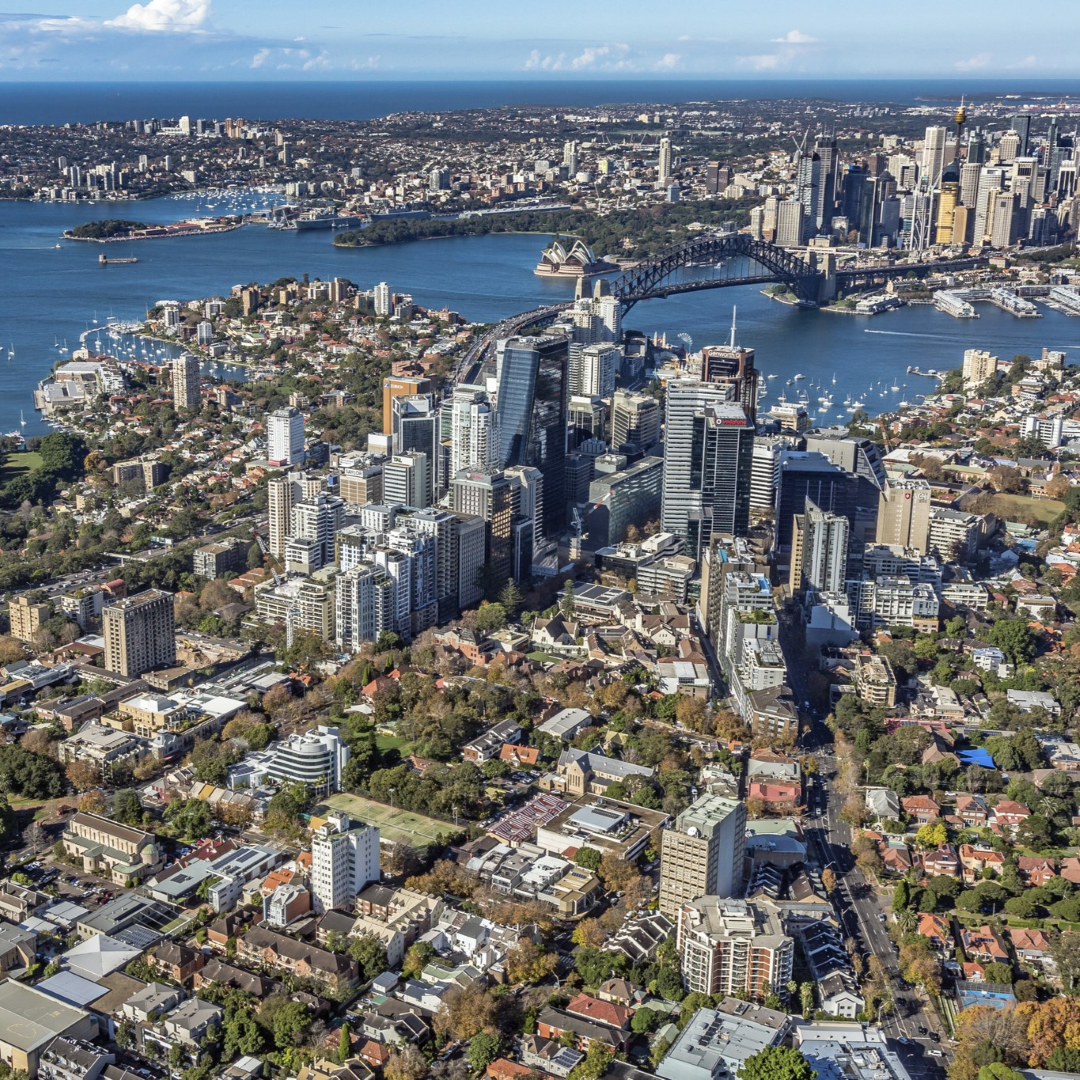
On the North Shore, we’re seeing that future take shape today. Projects like Denison Lane, Victoria Cross, and the revitalised North Sydney Pool are all creating a new kind of urban fabric, one that blends commercial energy with culture, lifestyle, and community.
Here’s what makes precincts work:
- Community building: Precincts thrive when people feel they belong. That means parks, plazas, coworking hubs, and cultural venues that invite interaction. Example: South Eveleigh has evolved into a vibrant destination for food, art, and green space.
- Integrated land use: Blending residential, commercial, and recreational uses reduces commute times, supports local business, and enhances quality of life. Example: Wunderlich by TOGA in Surry Hills or 558 Pacific Highway in St Leonards are more than apartments – they're lifestyle destinations.
- Placemaking and public realm: Great precincts are defined by their streets, laneways, and open spaces. The spaces in between the buildings. Example: Denison Lane shows how a single laneway can become a vibrant, people-first space.
- Technology and data: Smart precincts use data to improve services and safety, but always in service of human connection.
- Economic and social resilience: Precincts must be both commercially viable and socially inclusive. Rising land taxes and outgoings threaten this balance. Policy reform and long-term investment are essential.
Diverse, dynamic, and designed for life
Precincts bring together cafes, coworking, parks, culture, health, and education. They increase dwell time, support small businesses, and foster innovation. They create jobs, attract talent, and build resilient local economies.
Sustainability at the core
Precincts are built for the long term. Green buildings, walkable layouts, public transport, and urban greening support low-carbon living and attract environmentally conscious tenants. Examples: South Eveleigh and Barangaroo South lead the way with solar power, green roofs, and water recycling.
Collaboration is key
Precincts don’t happen in isolation. They require collaboration between planners, governments, developers, businesses, and communities. That’s how we ensure they’re authentic, inclusive, and built to last.
The connected precinct advantage
CBRE’s Metro report shows that precincts along the Sydney Metro line have outperformed their peers by 5% in capital growth over the past decade. Connectivity, mixed-use planning, and placemaking aren’t just good ideas, they’re proven strategies.
The way forward
By 2030, a model precinct looks like:
- Businesses thrive in a collaborative ecosystem
- Workers choose to commute because the experience is worth it
- Residents feel connected, not isolated
Public spaces are alive with culture, learning, and interaction
This is more than a vision. It’s a call to action. We must protect commercial land, invest in placemaking, and design for belonging, because when people feel they belong they stay, contribute and thrive.
I believe in the power of place. When we design for connection, we create more than just buildings - we create belonging.

Get in Touch

Shaping Sydney’s Tomorrow
Discover expert insights on how Sydney is evolving across housing, workspaces, retail, and industrial growth.