Article | Intelligent Investment
The Second Life Strategy: Navigating Facilities Management in Thailand
April 7, 2026
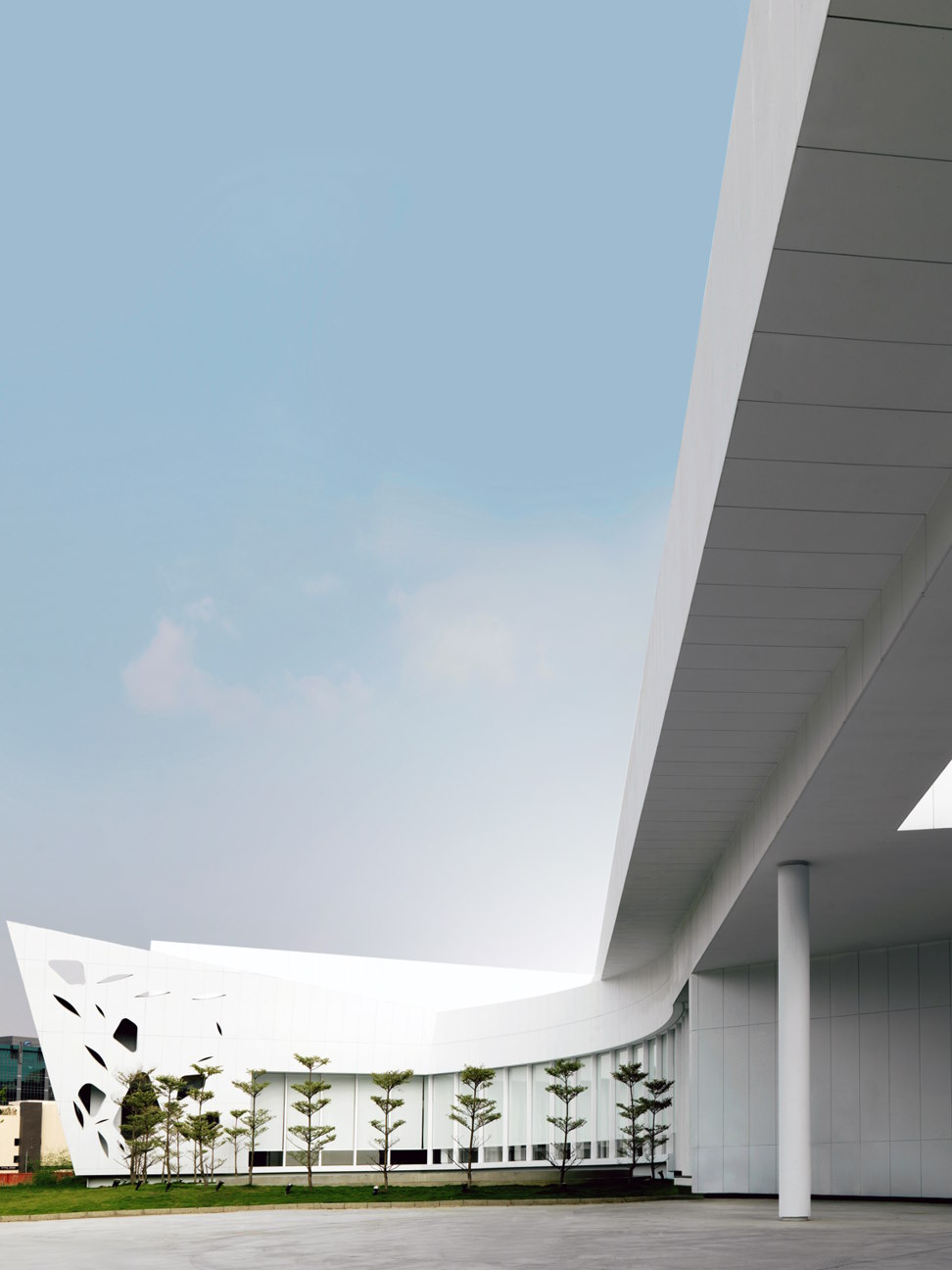
Bangkok’s skyline—from the gleaming towers of the Silom‑Sathon corridor to the industrial estates of the Eastern Economic Corridor—tells a story of rapid expansion. But, behind these facades, facilities management in Thailand is entering a decisive new era.
Thailand’s built environment is maturing. The market is no longer defined solely by new construction; we have entered the era of the “second life."
Key Takeaways: Facilities Management in Thailand
- Facilities management in Thailand has shifted from basic maintenance to strategic asset protection, especially for buildings over 10–15 years old.
- Thailand’s tropical climate accelerates asset degradation, making a building’s technical age up to 1.5x its actual age.
- Manufacturing, healthcare, retail and education assets face sector‑specific FM risks where downtime directly impacts revenue or safety.
- Data‑driven diagnostics, MEP retrofits and reliability‑centered maintenance extend asset life and improve ROI.
- Decarbonization and ESG compliance are now financial imperatives, not branding exercises, due to the growing brown discount.
- Integrated facilities management (IFM) delivers greater lifecycle value than reactive, in‑house or single‑vendor approaches
Defining a Second Life in Facilities Management
An asset's second life is the renewed stage where aging facilities regain peak performance through targeted retrofits, data-led diagnostics and smarter maintenance. It is the process of turning mid‑life buildings into high‑value, reliable assets instead of liabilities waiting to fail.
As we navigate 2026, the facilities management in Thailand sector has transcended its origins as a utility service, reaching a market valuation exceeding $4.7 billion (driven by a 5.2% CAGR in specialized MEP services). For the C-suite, the strategic inflection point is clear: the most valuable asset in a portfolio is no longer necessarily the newest—it is the one managed with the technical precision to predict the performance cliff.
The Reality of the Performance Cliff in the Tropics
In temperate climates, like much of Europe or North America, building systems might age predictably over thirty years. In the relentless humidity and monsoon cycles of Southeast Asia, technical youth is a fleeting luxury.
By the 15-to-20-year mark, assets in Thailand typically hit a performance cliff. This is the moment when the cost of reactive maintenance begins to exponentially outweigh operational output. Without sophisticated intervention, energy consumption in unoptimized HVAC systems typically spikes by 20%–30%, while MEP (Mechanical, Electrical and Plumbing) fatigue begins to threaten business continuity.

Strategic Insight: A building’s "technical age" in Thailand is often 1.5x its chronological age due to extreme UV stress and high humidity.
Sector-Specific Vulnerabilities and Second-Life Moves
While premium office stock often dominates headlines, the true urgency for sophisticated facilities management in Thailand lies in specialized sectors where downtime is a catastrophic financial event.
1. Manufacturing & Logistics
The economies of Samut Prakan and Chonburi are driven by industrial clusters, but aging factories are a growing concern. Legacy MEP systems are reaching critical mass, making them increasingly vulnerable. A single switchgear failure or transformer malfunction can halt a production line, costing millions in lost revenue per hour. In this environment, facilities management serves as high-stakes risk mitigation, where a proactive approach is essential.
Proactive management ensures stable uptime, fewer emergency repairs and an extended lifespan for major electrical systems. Transitioning to a predictable, data-driven environment allows organizations to extend the usable life of critical assets by:
- Deploying electrical degradation monitoring (voltage, harmonics and heat signatures) to detect failure patterns early.
- Implementing routine thermal scanning and vibration analysis to address loose connections and hotspots before they escalate.
- Optimizing chiller plants using analytics and secondary loop improvements to extend refrigeration system life.
- Building ISO-aligned asset registers to plan spare parts, replacements and CAPEX timing strategically to escape the reactive spending cycle.
2. Healthcare
Thailand’s aging population increases demand on already stressed systems and infrastructure. Hospitals operate 24/7, making HVAC retrofits and maintenance extremely complex due to infection control and patient safety constraints.
To modernize healthcare facilities without disrupting critical operations, property owners can improve air quality, extend HVAC lifespans and reduce energy consumption by:
- Using reliability-centered maintenance (RCM) for AHUs to prolong useful life while maintaining strict air quality.
- Enhancing pressure regimes, isolation control and filtration to meet modern infection-control requirements.
- Pursuing WELL and LEED operations and maintenance pathways to reduce energy and water use while improving clinical outcomes.
3. Retail & Education
Iconic retail destinations and international school campuses face a different challenge: functional obsolescence. To remain competitive, these assets must integrate experiential technology and modern sustainability mandates within structures that were never designed for them.
Underperforming malls and schools can evolve into modern, sustainable, high-engagement environments—extending property value and market competitiveness through:
- Adaptive reuse programs that transform outdated interiors into multipurpose, tech-enabled environments.
- Targeted retrofits (air quality, lighting, water efficiency) aligned with LEED or WELL certification—shown to support higher occupancy and rental premiums across Thailand.
The Three Pillars of Asset Longevity
To successfully navigate the second life of an asset, leadership must focus on three strategic pillars:
1. Data-Driven Asset Life Extension
Sophisticated building management systems (BMS) allow for monitoring the pulse of a building. Visualizing this data moves maintenance from guesswork to precision.
2. Decarbonization and the "Brown Discount"
In 2026, the "brown discount”—the loss in value for non-green buildings—is a harsh reality. Retrofitting an aging asset to meet ESG standards is a fundamental requirement for institutional investment and tenant retention.
3. Compliance and Thinking Ahead
Staying ahead of Thailand’s evolving Building Control Act and international safety standards requires constant vigilance. A strategic partner ensures an asset is compliant today and future-proofed against the regulations of tomorrow.
Securing the Future of Thai Real Estate
The outlook for the next decade of Thai real estate is clear: facilities management is no longer just property maintenance; it is the cornerstone of asset strategy. Whether managing a manufacturing plant in Rayong, a hospital in Bangkok or a regional retail mall, every building is a living asset that requires an evolved approach to navigate its second life.
Owners who view their facilities through the lens of a 20-year lifecycle will be positioned to thrive in an increasingly efficient and green market. Conversely, those who remain reactive risk holding obsolete assets in an era that demands technical precision.
Frequently Asked Questions: Managing the Aging Asset Life Cycle in Thailand
1. Why choose a professional facility management partner over an in-house team?
In-house teams often lack the budget for high-end diagnostic tools like vibration analysis or ultrasound. A partner like CBRE GWS Thailand provides a "shared brain" of global expertise, ensuring problems are solved with proven data rather than trial and error.
2. What is the biggest environmental threat to aging buildings in Thailand?
The combination of 90% humidity and extreme heat. This accelerates the degradation of MEP systems and the building envelope. Without specialized management, assets succumb to air quality issues, which drives away premium tenants and increases liability.
3. Can an old building really achieve LEED or WELL certification?
Absolutely. Through strategic retrofitting—focusing on air quality, lighting, and water efficiency—older assets can achieve high-level certifications. This is often more cost-effective and sustainable than demolishing and rebuilding.
4. How does adaptive reuse impact facilities management costs in the Thai market?
Initial costs may rise during the audit and conversion phase. However, a strategic partner ensures these systems are designed for long-term, low-cost maintenance, leading to higher tenant retention and rental yields.
5. When should I switch from a "Fix-It" vendor to a strategic facilities management partner?
The 10-year mark is the golden rule. If your facility is a decade old, has complex requirements (like clean rooms or cold storage) or if you are preparing for institutional divestment, transition to an IFM model to protect the asset's valuation.
Is your facility ready for its next decade, or is it merely surviving the current one? Contact the CBRE Facility Management team today to unlock the hidden value in your portfolio.
Read More:
Driving ESG Success Through Facilities Management in Thailand
Achieve Zero Incidents with Effective Facility Management in Thailand