Article
Business Insights | Transport and Property: Different Systems, Shared Outcomes
May 12, 2026 5 Minute Read
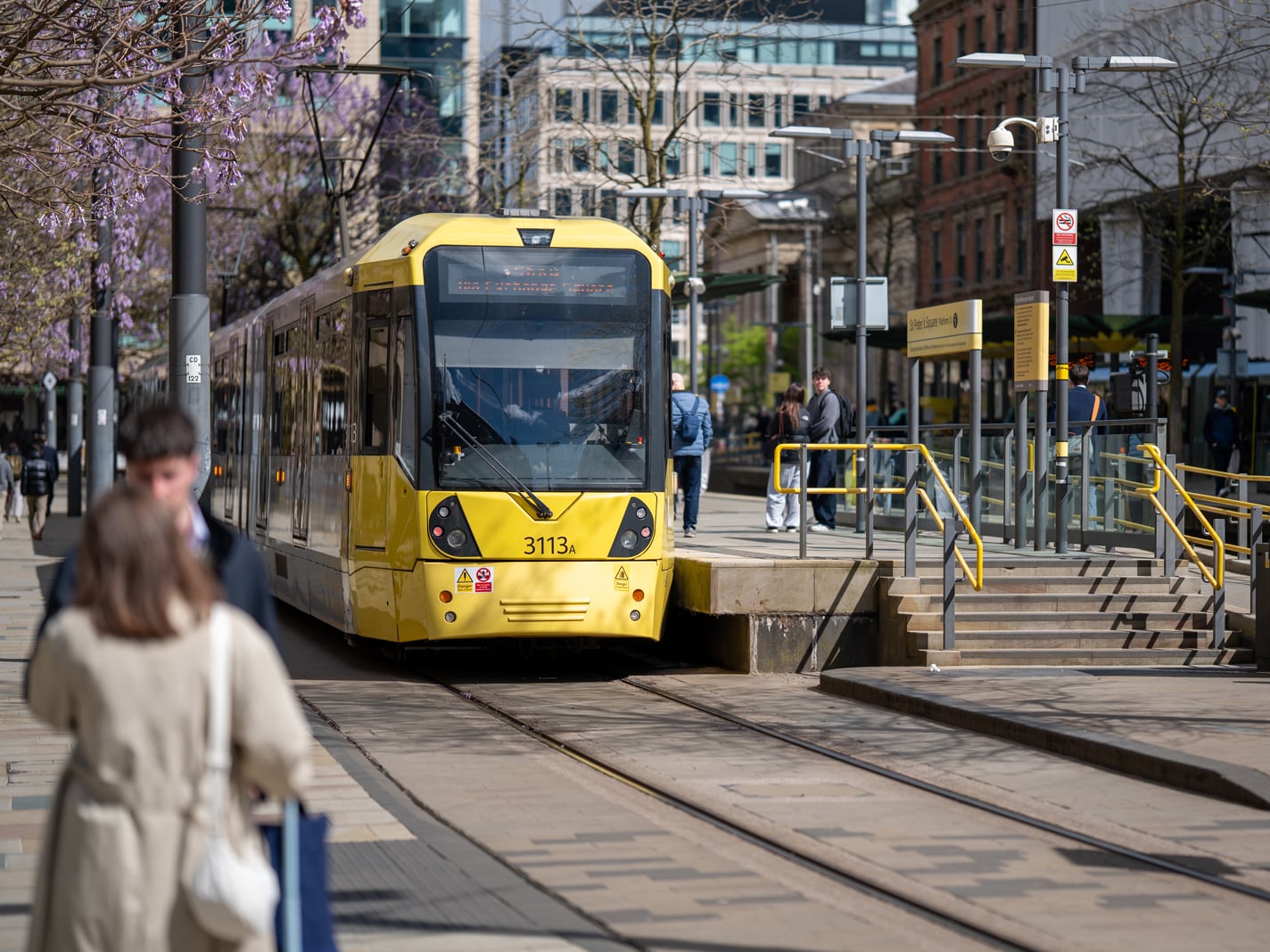
Regeneration is often spoken about as though it should move faster. In my experience, the places that succeed are those that understand how long-term systems interact and how to hold a steady course through a considered, flexible and patient approach to deliver quality regeneration outcomes while markets, politics and priorities inevitably change.
Nowhere is this more evident than in the relationship between transport and real estate.
Both are fundamental to shaping sustainable places to deliver housing and inclusive growth, yet they operate under very different conditions. Recognising and respecting those differences rather than trying to eliminate them is one of the most important factors in meaningful and successful regeneration.
A place-based approach to transport and property investment outcomes
It is often assumed that transport investment will "unlock" development automatically, with development expected to follow infrastructure in a neat sequence. Transport authorities are accountable to the public, highly visible politically and rightly cautious about risk. Decision-making is shaped by statutory processes, long planning horizons, interdependencies and tightly controlled funding cycles.
When the complexity of property development is underestimated, strategic regeneration outcomes can become disjointed, and the anticipated benefits of transport investment are not fulfilled. This is why it is important to have a place-based investment programme alongside transport programmes with a shared vision to unlock strategic regeneration opportunities of scale.
Comprehensive approaches carry additional risk for the public sector with commitment over long-term timeframes required - alongside capital and revenue funding certainty - to support promotion activities and create the platform for private sector investment.
Connecting transport and property perspectives
In practice, meaningful regeneration happens where there are coordinated delivery strategies and governance structures in place. It requires shared objectives between transport and property development projects coupled with strong leadership to create trusted long-term collaboration and partnerships. Regeneration requires people who can operate across these systems and translate between them.
Understanding how transport programmes are prioritised, funded and governed is as important as understanding how development responds to viability challenges, capital markets and occupier sentiment. Decisions about land and property assets, phasing, land use or delivery sequencing are shaped by commercial reality.
This is where insight can add the greatest value to help transport and property stakeholders make decisions that recognise their respective opportunities, constraints and risks while remaining focused on shared outcomes.
Powering delivery through government support
Government is enabling funding mechanisms and delivery structures to support regeneration at scale. Initiatives such as Combined Authority devolution deals and targeted funding programmes are creating the conditions for more coordinated, place-based investment. Structures like Mayoral Development Zones, Corporations and Locally Led Urban Development vehicles are giving places additional powers and resources to shape long-term placemaking strategies and prioritise regeneration investment alongside transport programmes.
On the funding side, programmes include the National Housing Delivery Fund, Social and Affordable Homes Programme, City Densification Fund and retention of locally raised business rates, with an increasing emphasis on recovery mechanisms for public investment. Public programmes such as these are directing capital towards regeneration priorities, seeking to support delivery and build private sector confidence in places that have historically been underserved. The creation of the National Wealth Fund and Great British Energy further signal a commitment to using public investment to facilitate long-term economic transformation.
These funding commitments sit within the context of the UK Government’s broader growth agenda, where investment in housing, infrastructure and inclusive economic growth can be an enabler of improved health and social outcomes across multiple national objectives. Places that demonstrate how integrated investment will support wider strategies and align with national policy objectives are well positioned to attract Government support.
Long-term commitment to funding and delivery structures
However, it is important to recognise that these initiatives will take time to translate into visible, on-the-ground impact. For those not directly involved in the process, it is easy to underestimate the challenges that have been overcome simply to enable strategic investment in strategic transport schemes, the built environment and targeted growth sectors.
This is why the commitment to long-term, patient delivery structures and funding is so critical. Regeneration funding that is short-term, or subject to frequent reprioritisation, risks undermining the very confidence it seeks to create. The most effective Government interventions will be those that provide certainty and funding mechanisms over timeframes that match the reality of complex phased regeneration — allowing implementation of place-based development strategies and transport investment in a coordinated and sustainable way to deliver inclusive and resilient outcomes for our urban centres.
