Article
Unibail-Rodamco-Westfield: a logical merger, but for whom?
January 15, 2018
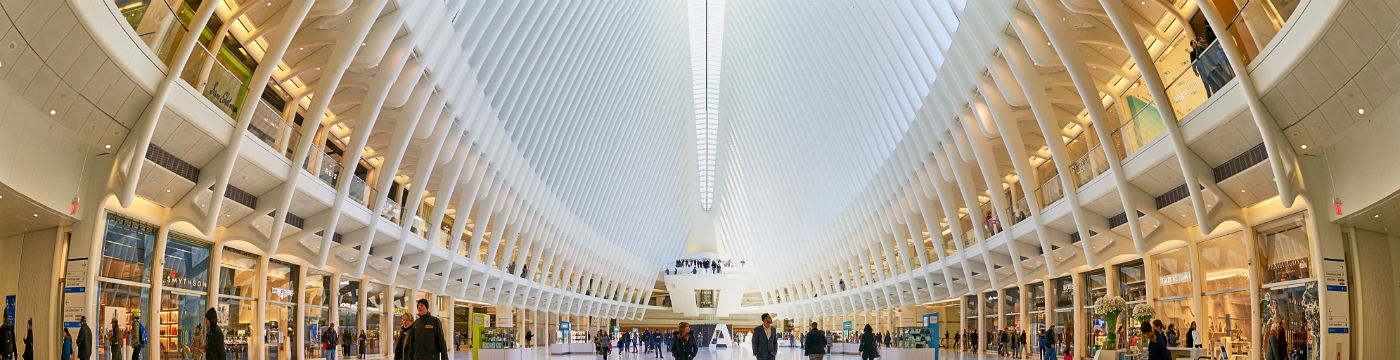
With the acquisition of Westfield in December, Unibail-Rodamco has confirmed its strategy of consolidating regional shopping centres, or flagships.
 They already represent 84% of the new group’s assets in terms of value and that share will rise as projects in the pipelines of the merged entities are built.
According to Christophe Cuvelier, Chairman of the Executive Board of Unibail-Rodamco, “the acquisition of Westfield perfectly reflects our strategy for consolidation, differentiation and innovation. It expands our footprint, with a location in London and in the best catchment areas of the United States.”
Synergies will emerge with the roll-out of the Westfield brand at Unibail-Rodamco’s flagships. “By creating a global platform, the group positions itself as a vital partner for all international retailers and brands.”
On closer look, however, is this offering all that vital for retailers?
Though the flagships may be prestigious and dynamic, how many retailers are likely to prioritise Unibail-Rodamco-Westfield for their global development?
Has the strategy of territorial coverage, which was the motor for shopping centre development for decades, run its course? Do retailers, in 2018, need to target a few capitals in the United States and Europe? Or, on the contrary, are brands looking to multiply their points of contact with consumers wherever they can be found?
The announced synergies are perhaps no more than the positive “externalities” of the only strategy possible for a leader of Unibail-Rodamco’s stature.
A strategy that consists of investing more and more in one’s own model, to sustain confidence, no matter the opinion of analysts, surprised by such an acquisition in a time of rising vacancies in French shopping centres, and who don’t seem to have understood that the strategy is precisely a response to this threat.
The group’s strategy has its own internal coherence: the positioning of a leader specialised in premium centres implies developing a network that is both selective and international, since such centres are rare, by definition. The acquisition of Westfield saves Unibail-Rodamco years of development hassles beyond its current borders.
At the same time, this acquisition points to the profound reconfiguration underway in the world of shopping centres.
Flagship centres attracting 15 million visitors have absolutely nothing in common with the mass of ordinary centres these days.
Many of the latter suffer from obsolescence and the threat of closure. The survival of some will depend on a fortuitous alignment of a favourable urban environment and an investor with a good restructuring project. This type of project has yet to find its hero; and it seems obvious that it will not be Unibail-Rodamco-Westfield.
Salvation is more likely to come from local initiatives that might give rise, here and there, to new models that can be reproduced on a broader scale,…. or not.
Insights in Your Inbox
Sign up for our Newsletter