Article | Future Cities
Business Insights | From vacancy to vibrancy: Embedding culture into commercial property strategy
How a commercial pathway is emerging for investors, owners, and developers to leverage cultural activation for long-term returns.
October 31, 2025
Find out more about our purpose-led approach
Click HereCreative spaces don’t just have tenants, they have activators who bring life to underutilised assets, attract foot traffic, and support the kind of mixed-use vibrancy that modern precincts demand.
Embedding creative infrastructure into commercial property strategy can unlock value, attract tenants, and future-proof assets. It’s not just good public policy, it’s good business.
Sydney’s edge: Culture as a competitive advantage
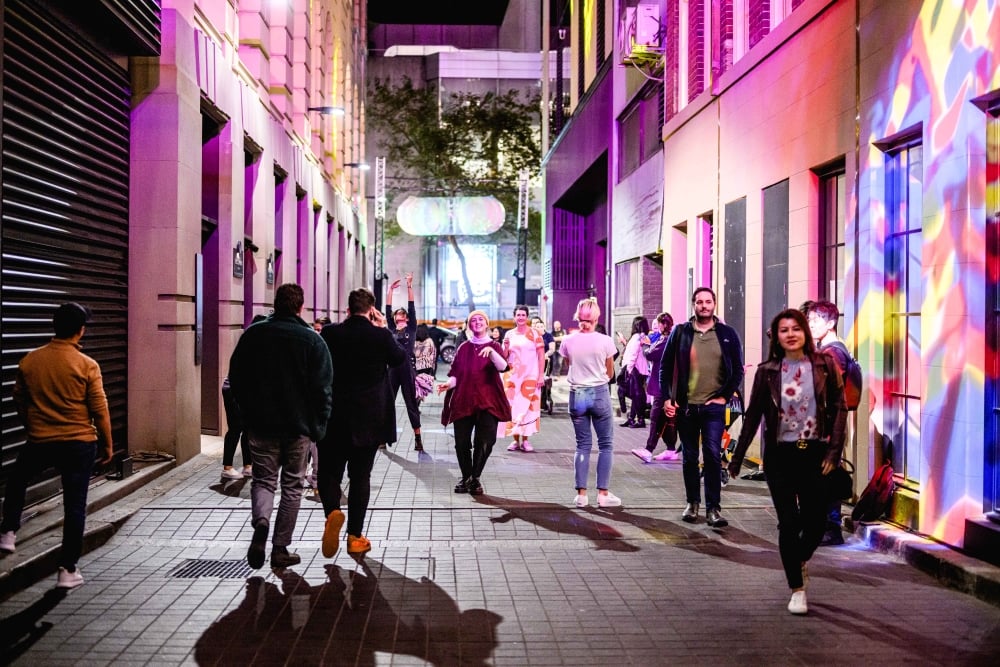
Sydney continues to rank among the most attractive cities in the Asia-Pacific for global capital, talent, and innovation. With a diversified economy, world-class infrastructure, and a growing population, the city offers strong fundamentals for long-term investment.But what increasingly sets Sydney apart is its cultural edge.
Creative industries contribute over $180 million annually in Parramatta alone and play a central role in shaping the identity and appeal of precincts across Greater Sydney.
The NSW Government’s Western Sydney Arts, Culture and Creative Industries Strategy 2025–2028 further reinforces this, with a $5 million investment to unlock new cultural spaces, grow creative careers, and attract national and international audiences.
For investors, this presents a compelling proposition:
- Cultural infrastructure enhances asset value.
- Creative activation supports leasing outcomes.
- Government alignment reduces risk and opens partnership pathways.
In a competitive global market, cities that invest in culture are cities that win and the opportunity for the property sector is clear.
A growth engine hiding in plain sight
Globally, the creative economy is resilient and fast-growing. It drives demand across office, industrial, and mixed-use assets. But in Sydney, more needs to be done to support infrastructure that will see our world-class creative talent thrive.The City of Sydney’s Greater Sydney Creative Spaces Affordability Study, created in collaboration with CBRE and Left Bank Co, is the first of its kind to quantify what creatives pay for space in Sydney and what they can afford. The results are sobering.
The report found:
- The median gross rent paid for creative space was $446/sqm a year for creative workers and $267/sqm a year for creative space operators.
- Half of respondents in the study reported low confidence in access to their space in 12 months’ time.
- The median creative income of artists in Greater Sydney was only $5,000 a year, with around 80% of that commonly invested in renting workspace.
- 57% of respondents are considering leaving Sydney in the next 12 months. The costs of housing and accessing creative workspace are the drivers of this uncertainty.
The study also reveals creatives spend up to 80% of income on workspace and housing which is well above the 20% affordability threshold recommended by international benchmarks.
In addition, many spaces only survive through an unsustainable system of ad hoc discounts, volunteer labour, or personal sacrifice.
Creative spaces play an important role in cities because they help attract talent, contribute to the economy, and help build community.
In Sydney, unlocking this potential requires treating creative space not as a niche concern but as a strategic asset class within the broader commercial property landscape.
It’s time to move forward from a system held together by goodwill to a system backed by institutional structure.
Opportunity for action: Underutilised office space and emerging precincts
In a post-Covid market recalibration, the office sector has undergone many changes. The rapid shift towards hybrid work during lockdowns in 2020 and the slow recovery in return-to-office rates, has resulted in many firms right-sizing their office footprints to better suit new workplace strategies.Additionally, a “flight-to-quality” trend has emerged where leased space in more central locations or higher quality office stock is in high demand to entice employees back to the office. While this trend has benefitted sections of Australian CBDs, it has left properties in many city fringe and suburban locations underutilised.
“While the general perception has been that the office sector has had a challenging few years, this story is only half true. What the recent slowdown in leasing demand and ongoing flight-to-quality have done, is create a severely bifurcated market. In this climate, the best properties in the best locations have outperformed, while others have struggled,” says CBRE’s Associate Director of Office Research, Thomas Biglands.
While leasing market conditions have shown signs of stabilising, office vacancy rates across Australia are at cyclical highs. For the creative sector, this presents a rare opportunity. As larger tenants release space and landlords seek activation strategies, there is a chance to repurpose underutilised assets for cultural use.
“This challenging period is an excellent opportunity to rethink the next life cycle of the asset class. While strategies such as the conversion of office properties into alternate uses, typically into Residential or Data Centres, have been popular to discuss, re-positioning portions of assets so that they are suitable for creative use is an interesting and under discussed opportunity,” Thomas adds.
While the office sector is responding to change, the retail sector is bouncing back from the 2020 disruption with NSW retail turnover edging up to $11.4 billion in May 2025. In Q2 2025, Sydney CBD footfall rose with the opening of the Sydney Metro and CBD retail vacancy declined to 7.1%, while super prime rents rose 1.5% over the quarter.
At the same time, there is a sharp focus in Sydney on improved connectivity, amenity, and experience which are driving renewed interest in central precincts. But we must go beyond infrastructure when it comes to creating vibrant precincts. We must invest in the cultural layer that makes precincts magnetic by putting frameworks in place with clear definitions, trusted operators, and incentives that make creative tenancy viable.
Meanwhile use: A commercial strategy, not a stopgap
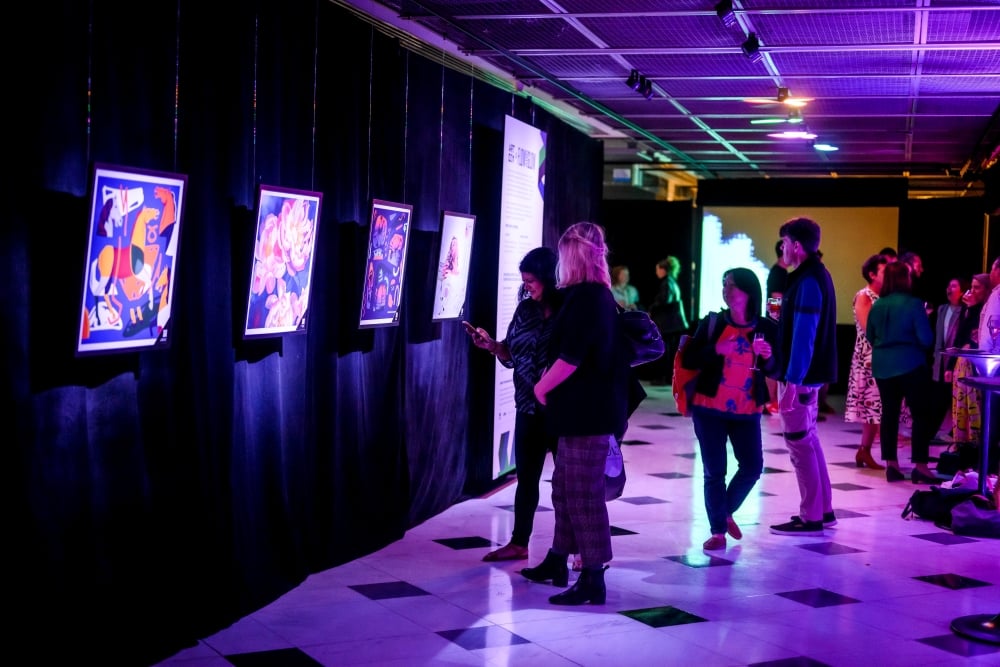
Across Sydney, underutilised commercial assets like vacant retail, idle office floors, and transitional development sites represent a missed opportunity. These ‘underutilised assets’ often sit dormant due to market timing, redevelopment delays, or leasing uncertainty. But they don’t have to.Creative uses offer a powerful solution. Through ‘meanwhile use’, property owners can activate space temporarily with cultural tenants like artists, performers, makers, and creative operators who bring energy, visibility, and foot traffic.
These uses:
- De-risk vacancy by maintaining occupancy and reducing deterioration.
- Enhance precinct appeal, attracting future tenants and investors.
- Support ESG and community outcomes, aligning with government incentives and public expectations.
Culture is a magnet for talent. It signals vibrancy, innovation, and inclusivity which are all qualities that today’s tenants and employees seek.
CBRE Director Fergus Bowen specialises in leasing across the city fringe and says by embedding creative activity into the lifecycle of assets, owners can turn downtime into value creation.
“Creative tenancy isn’t just about filling space, it’s about aligning lease structures with the realities of creative practice,” Fergus says.
“The nuances of compliance, fit out, and tenure risk often make these deals more complex than traditional commercial leases. That’s why having a representative who understands both the creative sector’s spatial needs and the property market’s drivers is essential. It’s not just about making space available, it’s about making it viable,” Fergus adds.
Meanwhile use is not just a stopgap, it’s a strategy. And with the right policy settings it can become a scalable tool for precinct revitalisation and portfolio performance.
Policy momentum
The NSW Government’s 2024–2025 Vibrancy Reforms and the upcoming Tax Reform Agenda represent a powerful alignment of cultural and economic policy.The Vibrancy Reforms have already introduced:
- Extended trading hours for venues hosting live music and cultural events.
- Permanent outdoor dining and streamlined approvals.
- Incentives for venues in Special Entertainment Precincts.
Meanwhile, the tax reform discussion paper outlines targeted proposals that could directly benefit the commercial property sector and creative tenants alike, some of the ideas on the table include:
- Incentives for landlords leasing at below market rents for creatives.
- Property tax incentives for landlords leasing to creative enterprises.
- Land tax relief or rate reductions for cultural uses.
- Expanded donation incentives to encourage philanthropic investment in cultural infrastructure.
These reforms recognise that culture is not a cost, it’s an investment. And they open the door for commercial property owners to play a leading role in shaping a more vibrant, inclusive city.
The role of the property sector
While the Creative Spaces Affordability Study reveals a systemic market failure in how creative space is accessed and sustained, this insight positions the property sector as a key part of the solution.The property sector is uniquely placed to contribute to the development of new leasing models, planning frameworks, and investment strategies that treat creative space as a legitimate employment land use, unlocking value for property owners and stability for tenants.
The property sector can:
- Activate underutilised assets for cultural use.
- Embed creative infrastructure into new developments.
- Partner with government to deliver outcomes that are commercially and socially valuable
CBRE’s Director of Experience Services in NSW & ACT, Trisha Roy says this is a moment for leadership.
“This is more than offering space. It’s about shaping a legacy—igniting culture, sparking innovation, and creating places where communities thrive,” Trisha says.
“People yearn to be part of something bigger, to connect meaningfully with their surroundings. For landlords, supporting the creative sector is a powerful statement of purpose and a chance to lead with meaning,” she adds.
A city that makes space
If we want precincts that are vibrant, inclusive, and future-ready, we must make space for culture. That means recognising creative space as essential infrastructure, designing policy that supports it, and building partnerships that sustain it.The Creative Spaces Affordability Study gives us the evidence. The Vibrancy Reforms and tax reform agenda give us the policy momentum. Now we need the action.
This is a moment for the property sector to lead. Let’s build a Sydney where creativity is not just loved and enjoyed but made possible.