Intelligent Investment
Sun Belt Population Growth Drives Demand for Outpatient Healthcare Real Estate
June 29, 2026 3 Minute Read
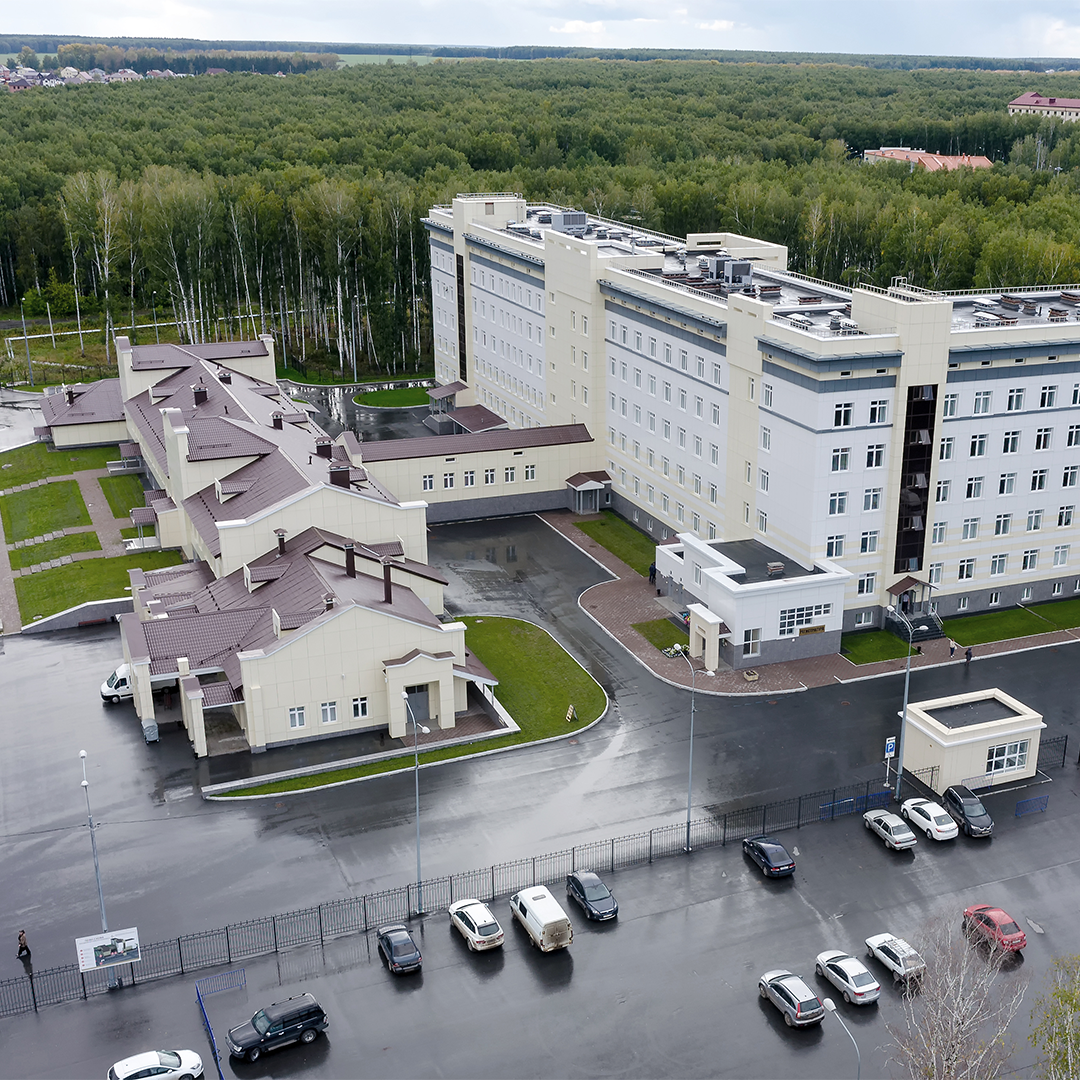
Robust population inflows to Sun Belt states are reshaping demand for outpatient healthcare real estate. Unlike prior retiree-driven migration cycles, today's growth is more balanced between seniors and working-age households. Rising numbers of families are creating more diverse and durable demand for healthcare services and facilities.
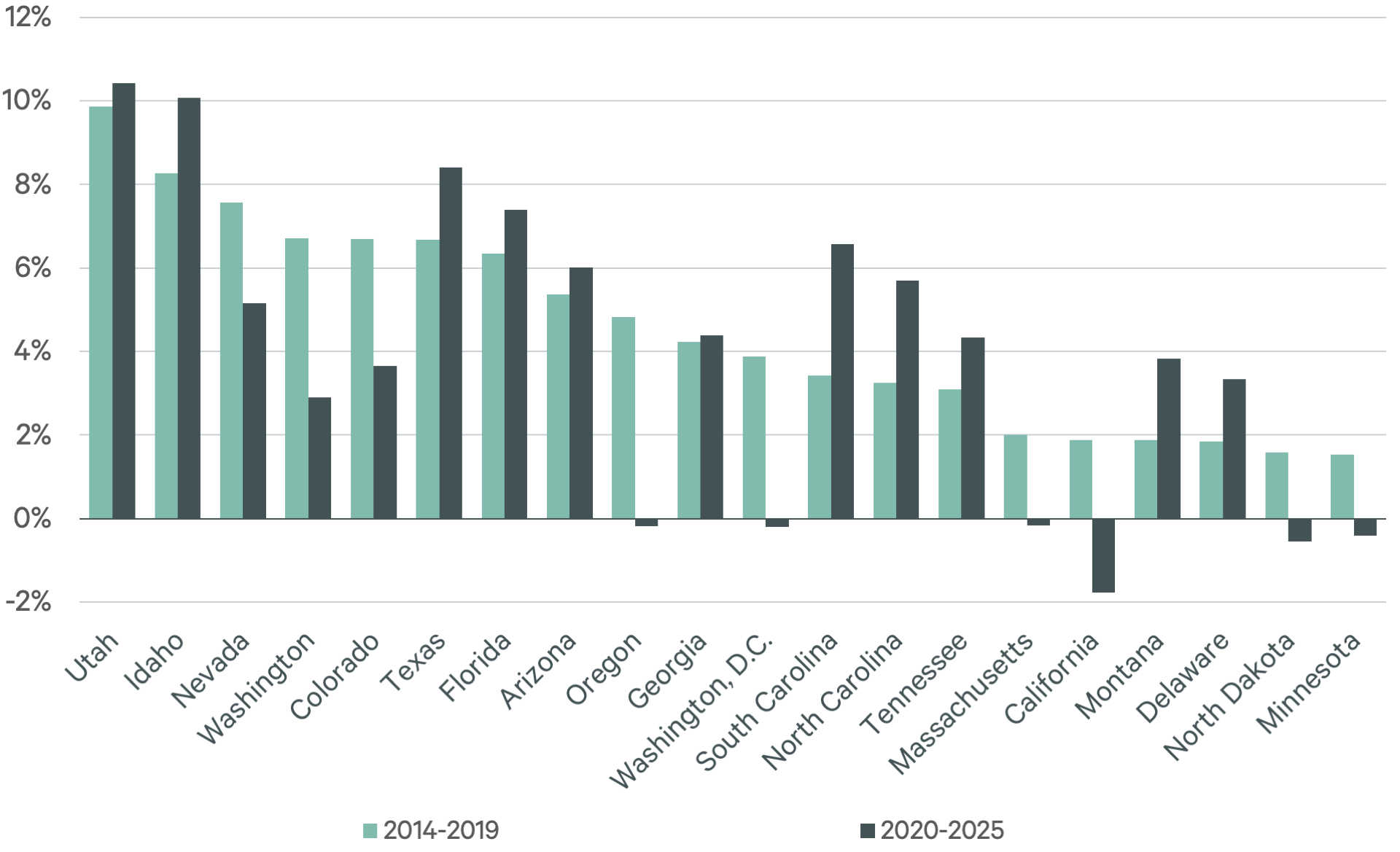
Sun Belt states like Texas, Florida, Arizona, North Carolina and Georgia continue to lead the nation in population growth across all major age cohorts. However, states that outperform in growing the coveted working-age demographic (20–64) can see broad demand for a wider range of healthcare services.
Population growth among working-age Americans accelerated in several key Sun Belt states, including Utah, Texas, Florida, Arizona and the Carolinas. These markets, which were magnets for working-age residents in the 2010s, have seen accelerated population growth in the 2020s. This is in contrast to western states like Nevada, Washington, Colorado and Oregon, where in-migration and working-age population gains slowed. While the "silver tsunami" is a boon for states like Florida and Arizona, this phenomenon in combination with family formation can create a strong base of future healthcare demand across the Sun Belt.
Figure 1: Increase/Decrease in 20- to 64-Year-Olds for Select States
While seniors remain the fastest-growing age segment nationally, Sun Belt states exhibit materially stronger gains in working-age and pediatric populations than their Northeast and Midwest counterparts. States such as Utah, Idaho and Texas lead in working-age growth, while also posting some of the strongest increases in children. Between 2014 and 2025, these states had youth population gains of between 5% and 11%, compared with a negative 1% national average.
This demographic mix is resulting in more diversified outpatient demand. Younger families are driving utilization of primary care, pediatrics, urgent care and women's health services, while working-age populations support growing demand for orthopedics, physical therapy and behavioral health. At the same time, continued retiree inflows are sustaining expansion in cardiology, oncology and other specialty services.
Healthcare providers and developers have responded by accelerating development in markets where population growth has created stable, long-term demand for space. This includes large multi-specialty outpatient facilities, as well as an expanding network of primary, urgent care and specialty facilities in newly developing peripheral neighborhoods.
Markets where outpatient facilities increased between 2023 and 2025 compared with their 2010s levels are heavily concentrated in states benefiting from broad-based and continuous in-migration. Legacy healthcare markets with declining outpatient development activity tend to be anchored by a larger base of existing inpatient facilities, resulting in comparatively limited expansion relative to faster-growing Sun Belt markets.
Figure 2: Change in Share of Medical Outpatient Building Development Between 2023-2025 & Previous Decade (2010-2019)
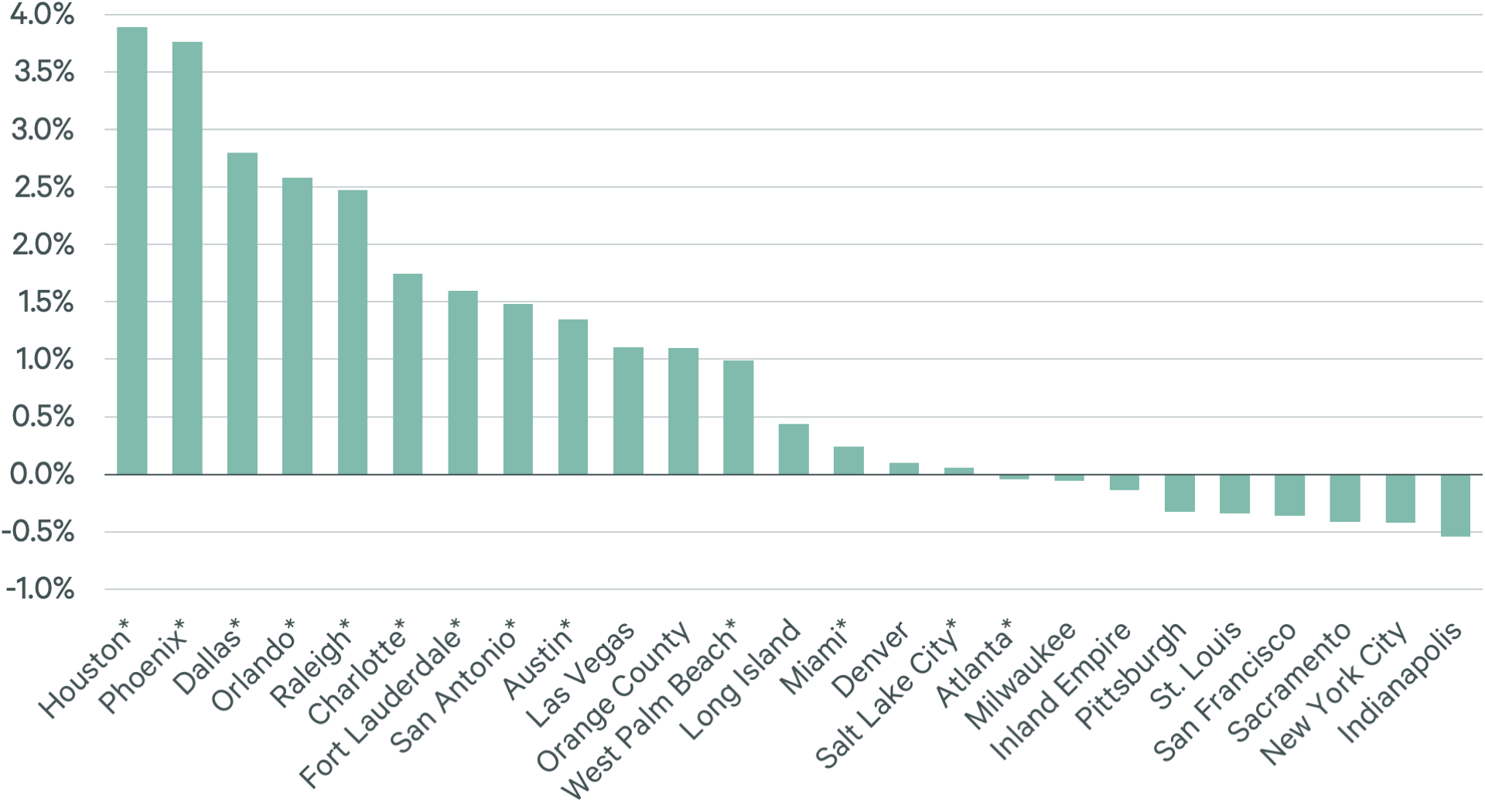
Source: RevistaMed, CBRE Research, Q2 2026.
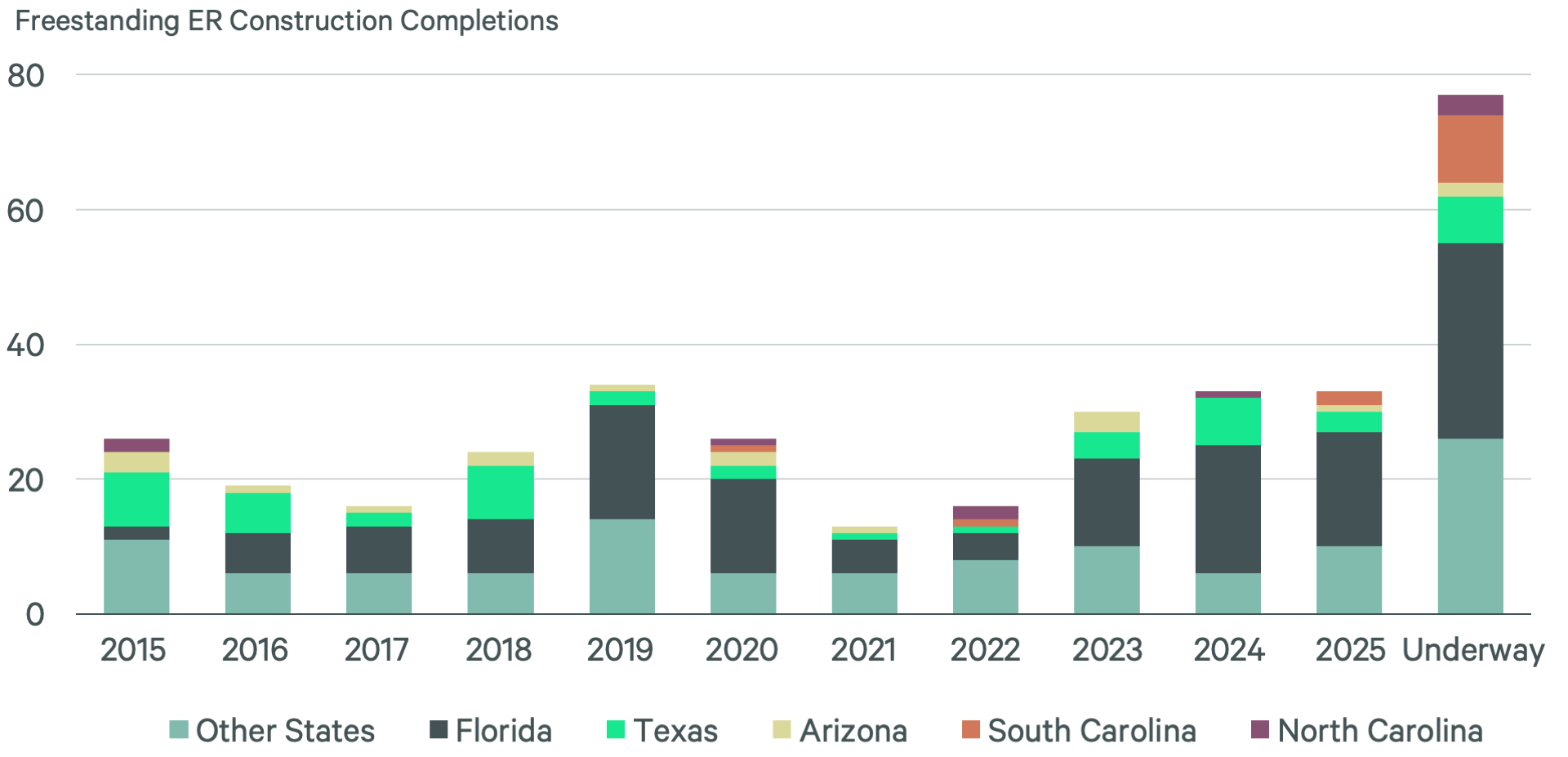
The regulatory environment also plays a role in Sun Belt development activity. Since 2015, nearly 350 freestanding emergency rooms (FSERs) have opened or broken ground nationwide, with over 50% of these in the deregulated states of Florida and Texas. Rapid suburban expansion in these states has created healthcare access gaps in communities with high concentrations of privately insured patients. FSERs offer healthcare systems a low-cost entry point for providing care in fast-growing communities.
Florida's rollback of Certificate of Need (CON) requirements in 2019 stimulated a rapid expansion of FSERs in recent years, with 38% of current development occurring in the Sunshine State. Florida's FSERs are primarily owned and operated by healthcare systems, which has spurred aggressive and rapid deployment. Texas has no CON requirements and issues licenses to both hospital-affiliated and independent FSER operators, which has supported steady historical growth.
North Carolina maintains a strict CON requirement but has loosened the regulation for facilities in its fastest-growing markets. As Raleigh and Charlotte attract more working-age residents and coastal and exurban areas pull in more retirees, CON reforms have the potential to further accelerate the state's share of FSER development.
Figure 3: Sun Belt States Dominate Freestanding Emergency Room Development
Sun Belt population growth is no longer largely from retirees. A more multi-generational expansion is reshaping outpatient healthcare delivery across the region. Markets that combine strong growth in working-age residents, children and seniors will require a more diversified mix of multi-specialty facilities and services over the long term. As population growth transforms Sun Belt states, fewer development regulations should help to close healthcare coverage gaps in rapidly expanding communities.
Related Insights
-

CBRE's H1 2026 Senior Housing Survey finds cap rates falling across all segments amid rising investor confidence.
-
Viewpoint | Evolving Workforces
Business Insights: How Health Systems Can Drive Enterprise Strategy with Unified Real Estate Teams
May 6, 2026
Integrated real estate organizations help health systems improve capital efficiency, speed to market and long‑term asset performance.