Figures
Germany Investment Market Q1 2026
Gradual recovery in the German real estate investment market continued into early 2026
April 22, 2026 10 Minute Read

Looking for a PDF of this content?
Overview
The German real estate investment market started 2026 with a dynamic momentum, at least until the most recent geopolitical escalation in the Middle East. While most ongoing transactions were continued, many market participants have since become noticeably more cautious with regard to new processes. Investment volume in Q1 2026 amounted to around €8.6bn and was thus slightly above the level of the prior-year quarter; compared with the exceptionally strong final quarter of 2025, however, volume declined by around 19%, which was essentially attributable to the pronounced year-end rally and the traditionally lower transaction momentum at the beginning of the year.
The transaction structure in Q1 2026 was clearly shaped by single-asset transactions. With a volume of around €6.2bn, most of the market activity related to single assets corresponding to an increase of around 28% year-on-year. This was also supported by ten large single-asset deals across the various asset classes, most notably in the office segment as well as residential, logistics, and retail. By contrast, the portfolio segment remained weak at around €2.5bn, although several large portfolio deals were completed, including two deals in the healthcare segment and one deal each in logistics, leisure, retail, and office properties.
Large-volume investments continued to be characterized by high selectivity and a limited supply of marketable products. Transactions above €100m increased significantly in both volume and number compared with Q1 2025 but still did not reach the levels seen in earlier years. A total of 16 transactions of this size were completed in the first three months of the year, amounting to just under €3.6bn, of which five related to portfolio sales and ten to single-asset transactions, or 14 to commercial properties and two to residential investments.
Trends
- Office properties recorded both the highest market share and the largest absolute increase, and half of the largest transactions above the €50m threshold were attributable to this asset class; the residential segment followed in second place and achieved a market share of around one fifth while although despite a still high volume, the result was clearly below the prior-year level
- Industrial and logistics properties ranked third, recording an increase of around 16% compared with the prior-year quarter and thus confirming a stable demand base; in addition, healthcare properties posted a significant increase, in particular due to the pan-European majority acquisition of Cofinimmo by Aedifica, which, with regard to the acquired portfolio in Germany, is reflected in the high three-digit million euro range whereas by contrast, retail and hotel investments declined
- Across Germany’s seven largest real estate markets, aggregated results pointed to moderate stabilization; however, pronounced differences between the cities persisted and Berlin recorded a declining volume, while Düsseldorf achieved an investment volume more than three times higher than in the prior-year quarter, thus moving close to its long-term average level, and Frankfurt also showed a noticeable recovery compared with the previous year
- Prime net initial yields remained stable across most asset classes compared with year-end 2025; thus on average across the top 7 locations, the current yield for prime office properties stands at 4.73%
Outlook
Our fundamental economic outlook suggests that, from an occupier perspective, real estate market fundamentals will lead to stable, albeit more selective, demand. At the same time, investors in the real estate capital markets are likely to act more cautiously considering the new inflation environment and the generally heightened level of uncertainty. Given the geopolitical challenges and the associated current slowdown in the economic recovery, somewhat higher inflation expectations, and rising capital market and financing interest rates, the market faces the prospect of a further recalibration of prices and, consequently, real estate yields. So far, net initial yields have remained predominantly stable compared with year-end 2025. The recent increase in oil prices does not have a direct impact on the real estate market but does increase pressure on the capital markets due to rising inflation expectations. In Germany, the currently elevated level of yields on ten-year federal bonds limits the scope for further yield compression. For real estate yields, a sideways movement or moderate upward pressure appears more likely than a rapid easing. Interest-rate-sensitive and energy-intensive use types in particular are more vulnerable, while residential properties remain comparatively stable due to demand driven by basic needs. Against this backdrop, ongoing income streams are increasingly coming into focus for investors – stable cash flows, long lease terms, and defensive asset classes continue to gain in importance.
We expect market activity to pick up due to a larger supply of products. Open-ended real estate funds will continue, and in some cases even intensify, their portfolio clean-up efforts. At the same time, assets will also be brought to the market by banks, as the NPL ratio for real estate loans of German banks is the highest in a European comparison.
Residential Trends
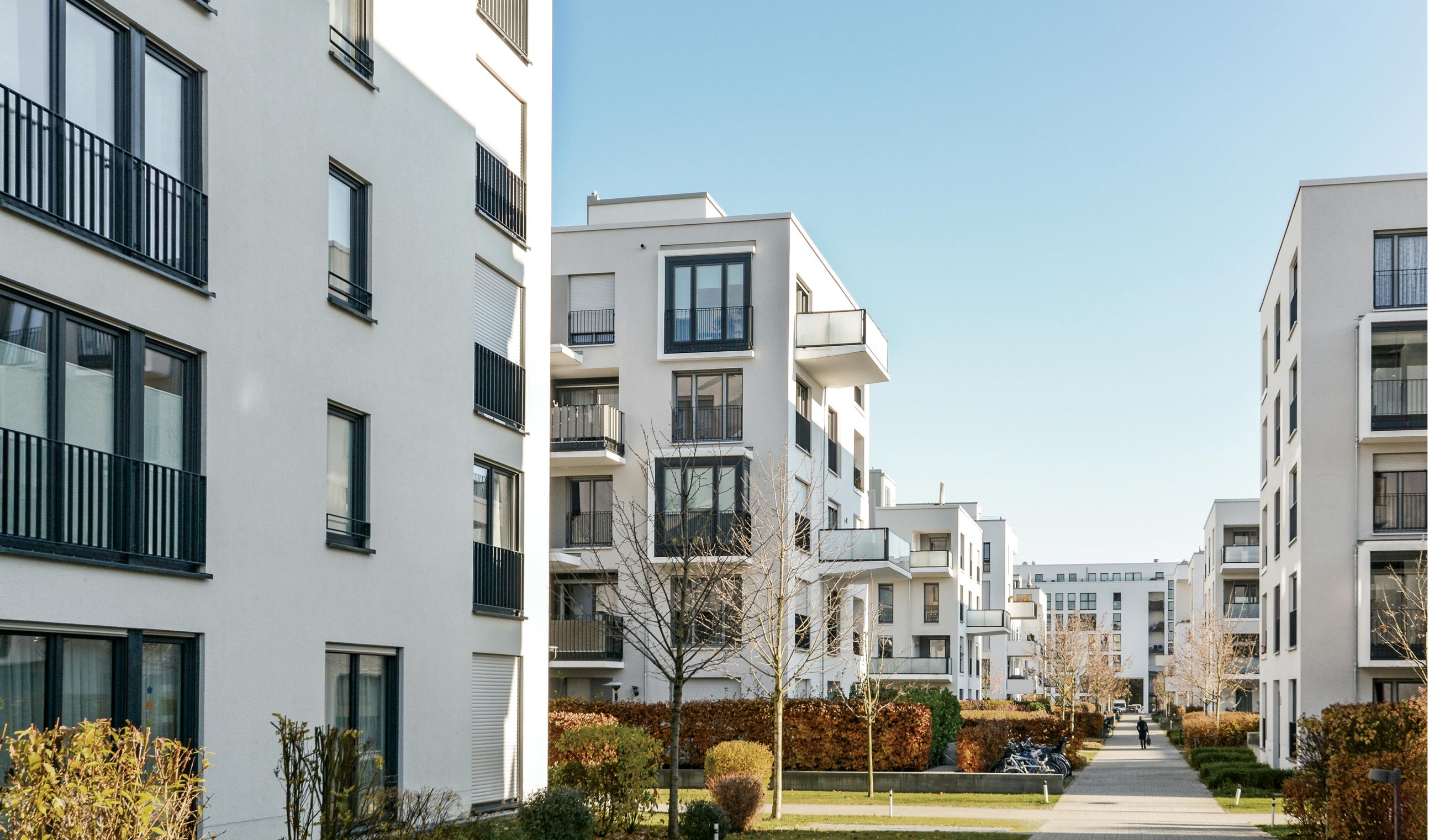
- Residential real estate posted a solid quarterly result of approximately €1.7bn in the first quarter and was the second-strongest asset class after office real estate; the market continues to be dominated by single asset deals, while larger portfolio transactions remain rare—however, a total of 46 deals were recorded, continuing the positive trend from the previous year
- Investors continued to act selectively, focusing on quality and reliable returns, but are also selectively opening up again to yield-oriented strategies: core plus was the investment approach with the highest volume, followed by value-add; persistently high financing costs and a pronounced bid-ask spread issue continue to slow down the portfolio market in particular
- Foreign investors accounted for just under a quarter of the transaction volume, making them less active in the market than in 2025 as a whole—the limited supply of large, high-quality deals is dampening activity; in addition to institutional market participants, larger foreign family offices are becoming increasingly active
- Forward deals continue to gain importance and already accounted for around 43% of the volume in the first three months of the year; while the public sector remained active, it acted more selectively due to increasing budget constraints—the resulting gap in the affordable housing segment offers targeted market entry potential for investors focused on affordable housing
- Prime yields across the top 7 markets remained stable at an average of 3.4% compared to the end of 2025; a moderate market recovery is anticipated for full-year 2026 – supported by portfolio restructurings and growing investor appetite, making a full-year transaction volume of €8bn to €10bn appear realistic
Office Trends
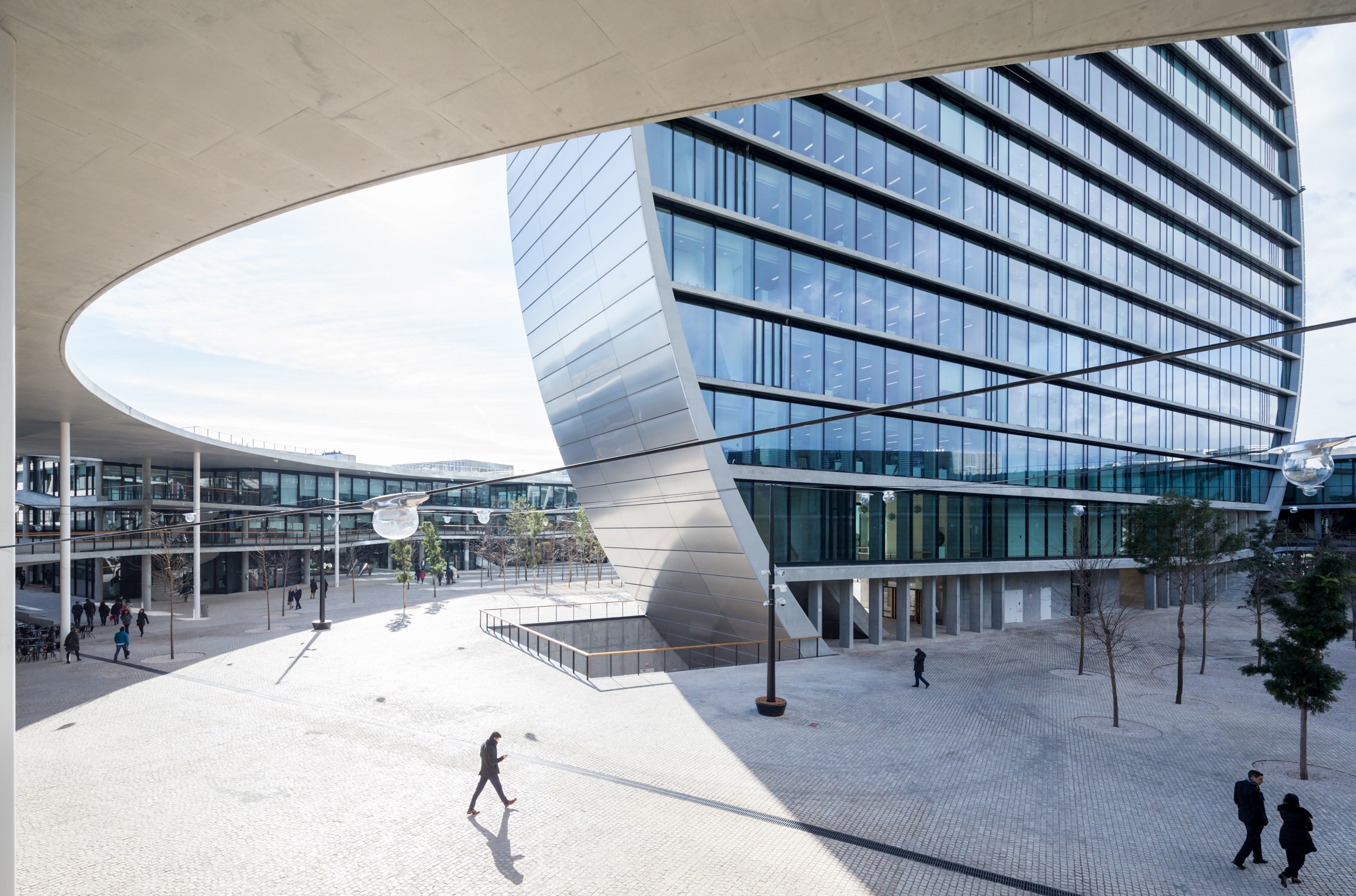
- Office real estate was the most sought-after asset class on the German market in the first quarter: office transaction volume in the first three months of 2026, at around €2.1bn, was significantly higher than the previous year’s figure; the market continues to be strongly dominated by individual deals, although the volume of portfolio transactions, at around €200m, already exceeds the total for the whole of 2025
- Investors continue to act selectively and focus on quality, reliable returns, and clearly calculable risks, but are also selectively opening up again to more yield-oriented strategies: core investments once again accounted for the largest share and recorded significant growth, while value-add transactions also gained significantly in importance and showed a volume nearly three times as high as in the same quarter of the previous year
- Five major deals, each worth €100m, were recorded—up from two in the same quarter of the previous year and just one in the fourth quarter of 2025—totaling nearly €1bn; the next-smallest segment between €50m and €100m showed particularly strong growth and accounted for a good fifth of the total volume, which together impressively demonstrates investors’ willingness—and ability—to once again finance and execute larger deals
- Prime yields remained largely unchanged compared to the end of 2025 and continue to show a clear market divergence: modern properties in prime locations can still command strong prices, while peripheral locations and properties without convincing future prospects are facing increasing pressure
- For 2026 as a whole, a larger supply is expected due to portfolio restructurings by open-ended funds and additional sales by banks, which should provide potential market momentum despite increased uncertainty and investors’ continued selective approach
Retail Trends

- In the first quarter of 2026, the German retail real estate investment market reached a transaction volume of €1.1bn, representing a 13% decline compared to the same quarter of the previous year
- Although there were a relatively large number of deals, larger transactions in excess of €100m, such as the sale of the Powerfood portfolio or the sale of a majority stake in the Höfe am Brühl shopping center in Leipzig, have so far remained the exception
- At the start of the year, food-anchored retail properties served as a source of stability; the retail warehouse and grocery store segment dominated transaction activity, accounting for 56% of the total
- Shopping centers – which are increasingly coming into focus for investors, with the aim of repositioning them as mixed-use properties – followed in second place with 22%
- Prime yields have recently remained stable across all sub-segments of the retail real estate market; only a few slight changes come to light in a year-over-year comparison for prime high street properties and shopping centers in secondary locations
- Currently there are a number of larger properties in the transaction pipeline that will contribute to a revival in the market over the course of the year
Industrial & Logistics Trends
-
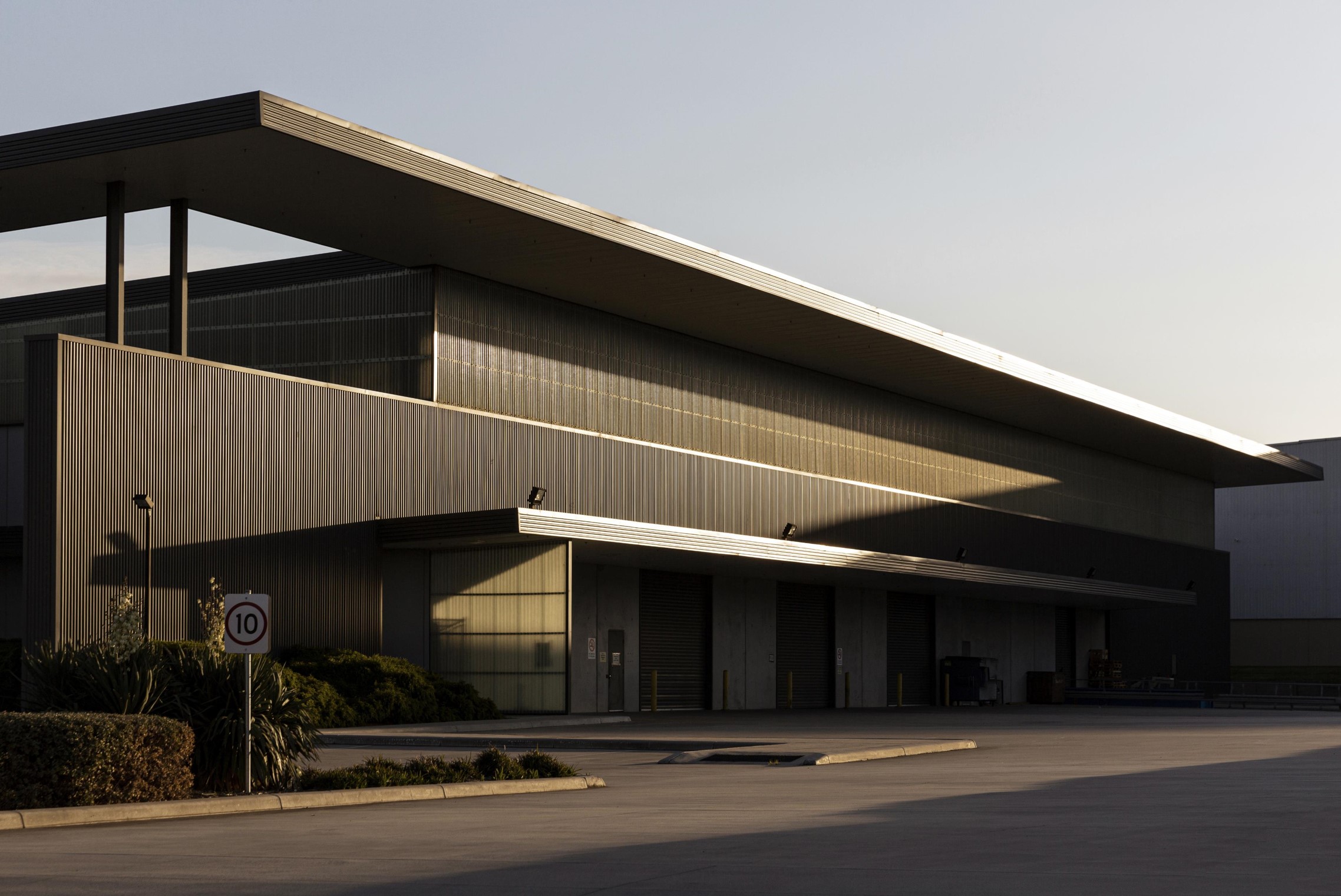
With a total transaction volume of €1.4bn, the German industrial and logistics investment market recorded around 16% more than in the prior-year quarter, confirming a stable demand base, although the dynamic start to the year became more restrained from March due to the geopolitical situation
-
The majority of investments continued to be allocated to logistics assets, slightly reduced in a year-on-year comparison, while light industrial properties gained momentum and production properties remained broadly stable; the share of the top 7 cities in total transaction volume declined noticeably
-
Compared with the prior year, core and core plus assets each slightly increased their shares of transaction volume, together reaching 60%, while investments in value-add properties fell to 20%, primarily due to a lack of suitable product supply; however, international investors in particular continue to show strong interest in this segment
-
In the prime segment, pricing levels remained largely stable, the prime yield for logistics assets held at 4.4%, while quality deviations beyond the prime standard are increasingly being reflected more clearly in pricing
-
The sales pipeline is well filled, and the willingness to pursue large-scale deals above the €100m threshold has increased, provided product fit is appropriate, as a result, more closings in this size category are expected in 2026 than in the prior year
Hotel Trends

- Germany’s hotel investment market recorded a transaction volume of €318m in the first quarter of 2026, with the moderate decline of 12% caused mainly by the lack of large-scale transactions – despite the modest start to the year in terms of volume and the tense overall economic situation, interest in acquiring hotel properties is holding steady
- With only two deals above the €50m mark, market activity was determined by smaller scale transactions, and more than the half of the total investment volume was attributable to the top 7 cities
- Asset and fund managers predominated on the buyer side, followed by open-ended real estate and special funds; the sustained stable fundamentals and positive market outlook mean that the hotel asset class is being increasingly perceived as a diversification option
- This quarter saw smaller transactions in particular frequently brought over the line by operators who are effectively using the current market environment to add to their existing portfolios strategically through selective real estate acquisitions
- The investment volume was distributed virtually equally between core investments and value-add transactions; while value-add investments for repositioning purposes elicited the greatest investor interest, a return to predominantly more safe-haven oriented and long-term investments was observed against the backdrop of growing geopolitical risks
- Prime yield compression manifested on the hotel investment market again for the first time since 2019, settling at 5.1% at the last count; there are currently several larger properties in the marketing process that will presumably contribute to market activity picking up tangible momentum over the course of the year and support will also be derived from the fact that open-ended real estate funds are increasingly placing liquid and marketable hotels on the market as part of streamlining their portfolios
Healthcare Trends

- • The German healthcare real estate investment market recorded a transaction volume of nearly €1.1bn in the first quarter of 2026, representing an increase of 65% compared to the same period last year
- In the first quarter, care homes accounted for a market share of 67%, corresponding to €717m (+79% year-on-year); they were followed by outpatient healthcare properties with €247m (+174%), assisted living with €56m (-59%), and (rehabilitation) clinics with €50m (+114%)
- Pricing levels across all sub-asset classes remain stable and the prime yield for care homes remains at 5.4%
- Transaction activity in the first quarter was largely driven by two large-scale portfolio transactions: the takeover of Cofinimmo by Aedifica and the sale of the European healthcare real estate platform of Northwest Healthcare Properties REIT to TPG Real Estate
- At present, portfolios primarily offer product suited to value-add and core plus investors; high-quality product for core investors is currently available predominantly through single-asset investments, particularly in newly built properties and development projects
- Transaction activity is expected to remain strong in the coming quarters; in addition to several larger portfolios currently available, smaller portfolios and single assets are also likely to be brought to market
Research Contacts
Dr. Jan Linsin
Managing Director | Head of Research Germany


Business Contacts
Sandro Hoeselbarth
Managing Director | Head of Valuation & Advisory Services

