Adaptive Spaces
Data at the Heart of Hybrid: Leveraging AI & Tech to Optimize the Workplace
Part 3 of our 2026 Global Workplace & Occupancy Insights series
March 24, 2026 5 Minute Read

Introduction
Explore More Benchmarking Data
Leverage our office occupancy benchmarking dashboard to enhance decision-making. Customize filters by sector and region.
The hybrid workplace has become the reality for many organizations. But successfully navigating this new landscape requires more than just adopting flexible work policies. It demands a strategic approach driven by data, powered by technology and, increasingly, shaped by the potential of artificial intelligence (AI). While fully leveraging AI in workplace and occupancy management is just beginning, the picture is clear: The future of hybrid work requires AI-driven solutions that demand a strong foundation of data.
AI: A Promising, Yet Uncharted, Frontier
Early Adopters and Growing Pains
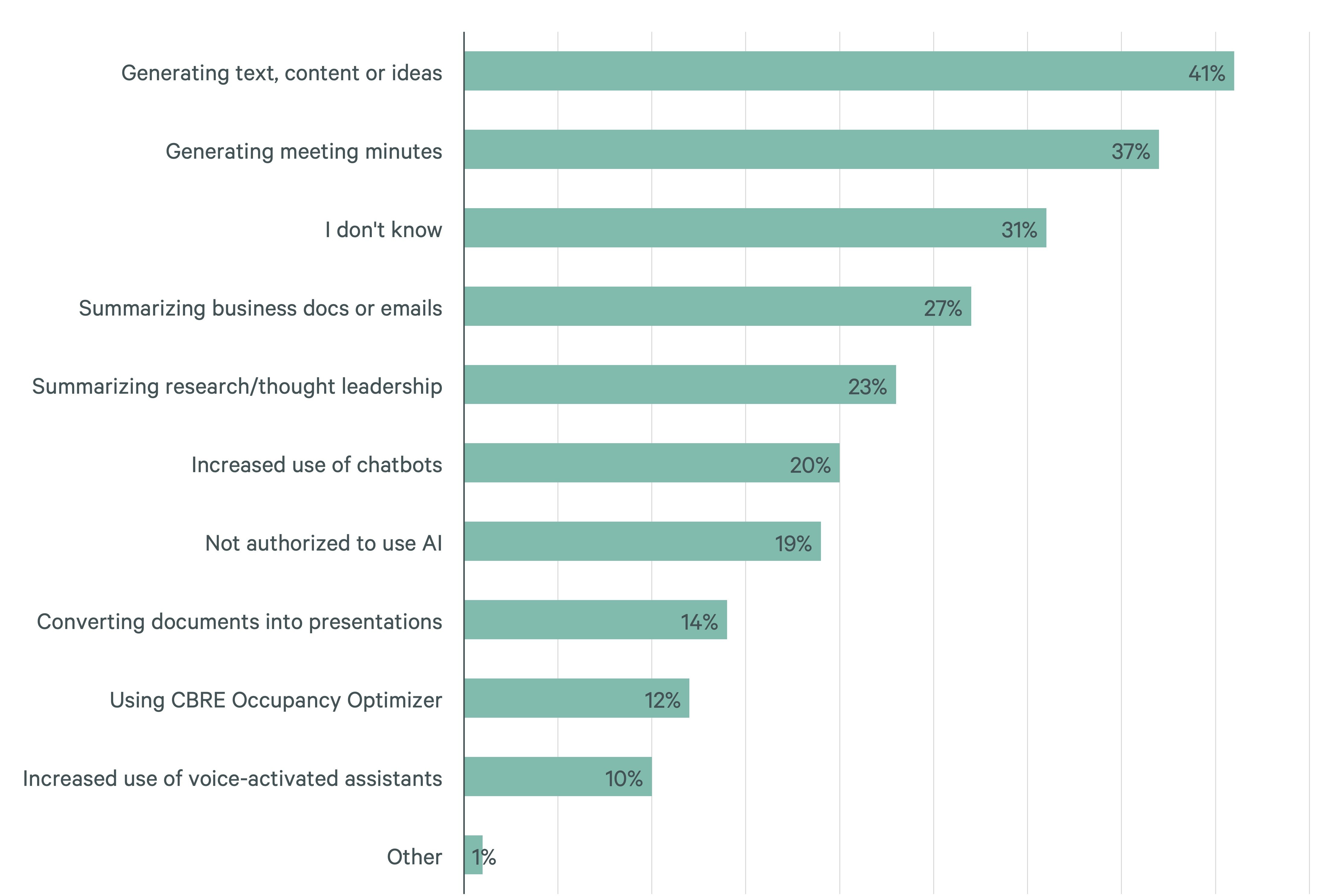
Organizations are dipping their toes into the AI waters, cautiously exploring its potential to transform workplace operations. The data reveals most organizations are in the "early adoption" phase, primarily focused on generating text and content (41%) and streamlining administrative tasks like recording meeting minutes (37%). This initial foray suggests a desire to improve efficiency and free up human capital for more strategic initiatives.
Furthermore, access to AI tools is expanding. An increase in employees authorized to use AI (from 74% to 81%) is a positive sign. This democratization of access is a crucial step in fostering a culture of innovation and experimentation within organizations. However, access alone is not enough. A significant challenge remains: a lack of understanding and expertise. A large segment of clients (31%) doesn’t know how AI is used in day-to-day work, indicating a need for education and training. This knowledge gap highlights the critical need for targeted training programs to empower employees to effectively utilize AI tools and understand their potential applications.
Figure 1: How is AI used?
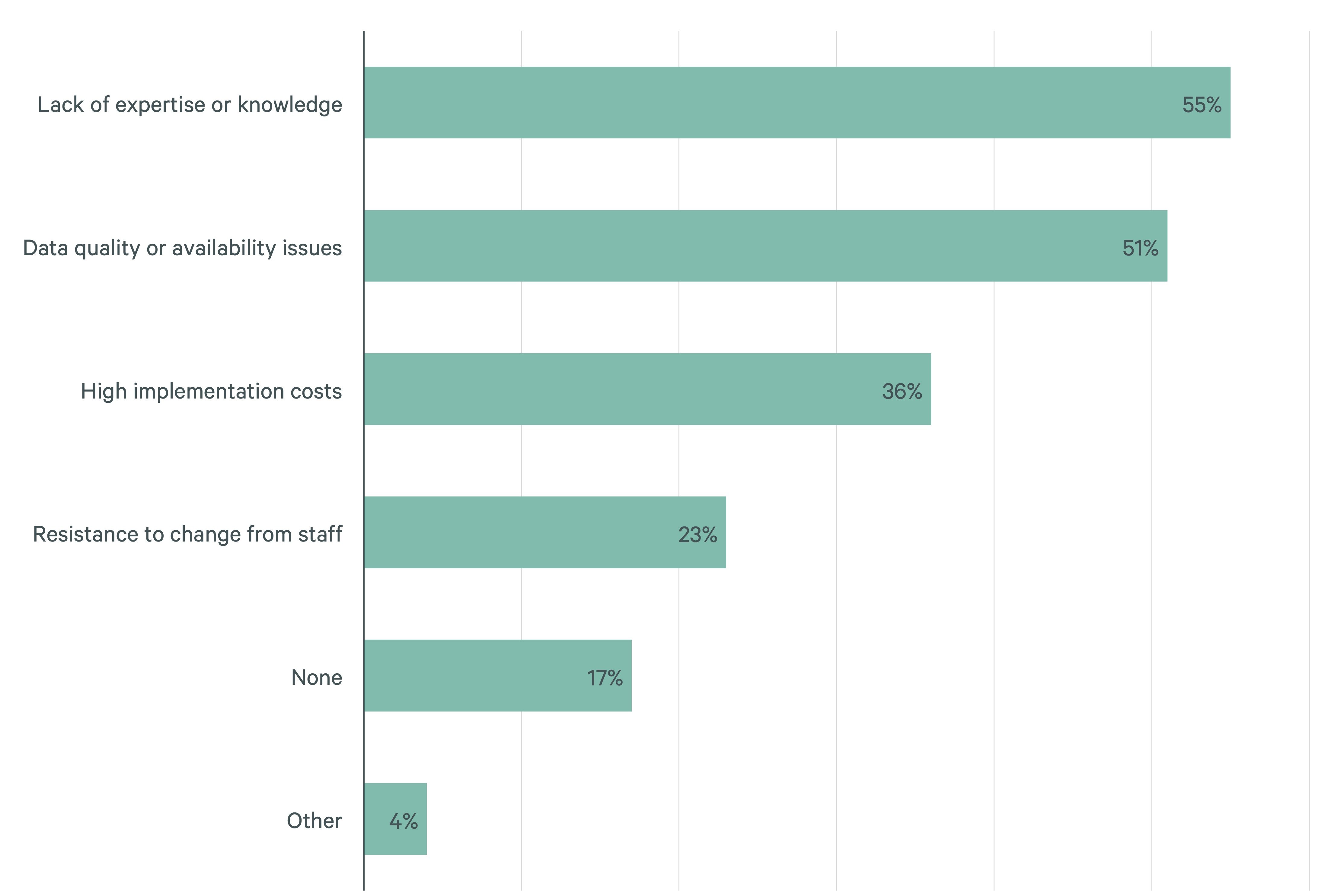
The readiness levels for implementing advanced AI reflect this cautious approach. While a significant portion are somewhat ready (34%), a larger number remain neutral, stating they are neither ready nor unready (38%). This suggests a wait-and-see approach, with organizations carefully evaluating the potential benefits and risks before committing to widespread AI implementation. This sensible approach is warranted, given the significant hurdles organizations face. The biggest obstacles to AI integration are the lack of expertise and knowledge (55%) and data quality or availability issues (51%). Overcoming these challenges requires a concerted effort to invest in training programs, improve data governance and ensure data quality. Most organizations report a need for ongoing support (77%) and technical training (72%), underscoring the importance of investing in these resources.
Figure 2: Challenges with AI Integration
The Pitfalls of Poor AI Output
As organizations experiment with AI, a new phenomenon is emerging: "workslop." This term describes the result when employees use AI to generate low-quality output that, despite its superficially polished appearance, often lacks substance and, paradoxically, increases the workload for those receiving it. Instead of streamlining tasks, workslop creates an illusion of progress, demanding recipients to invest time in critical thinking, interpretation and ultimately, correction and rewriting.
The repercussions of unchecked "workslop" can be significant. It directly undermines productivity by shifting the burden of the work onto others, eroding trust in the sender, and leaving recipients feeling confused, frustrated, annoyed or even offended. Furthermore, it results in tangible financial costs, as time and effort must be diverted to fix or redo the flawed output.
To mitigate the risks of workslop, organizations must proactively establish clear best practices for AI usage. Leadership plays a crucial role: Managers should model thoughtful and responsible AI utilization, setting the tone for their teams. Comprehensive training on effective prompting techniques and rigorous oversight is vital to ensure output quality. Moreover, promoting genuine human-AI collaboration is essential. AI should be viewed as a tool to augment and complement human expertise, not to replace it. AI should be the lens that brings an idea into focus, not the only eye. Finally, implementing feedback loops to correct known AI errors is critical. This continuous learning process allows the AI to refine its output, improving accuracy and reducing the likelihood of future workslop, yielding improved value and reliability of AI-generated content.
Technology: The Foundation for a Data-Driven Workplace
Enjoying This? Follow the Series or Get in Touch
Data at Work
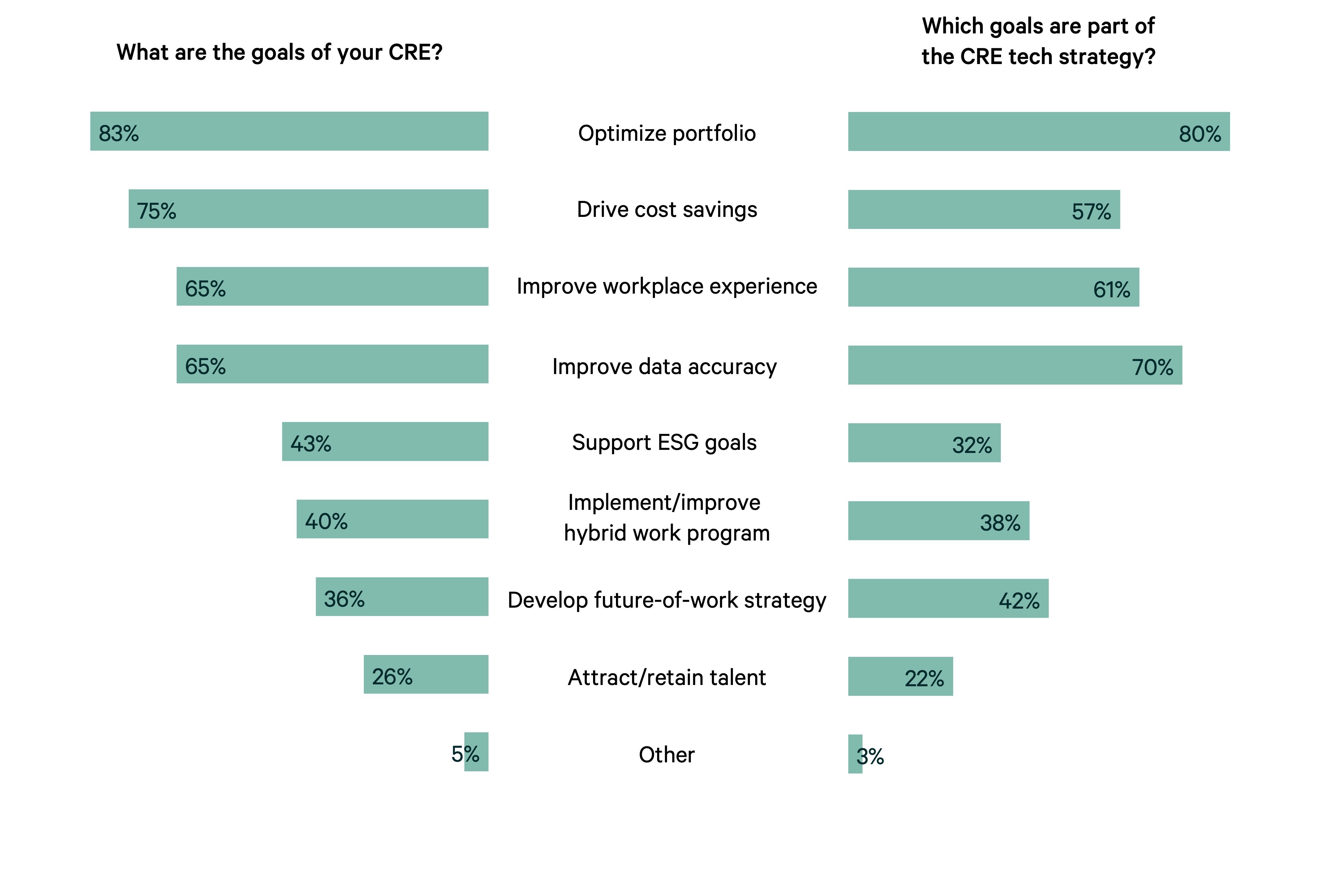
While AI adoption is still in its early stages, technology maturity is steadily increasing, providing a solid foundation for a data-driven workplace. Robust data feeds and a growing focus on data analytics are empowering organizations to optimize their portfolios, improve data accuracy and enhance the overall workplace experience.
The top goals of clients' CRE technology strategies are to optimize portfolio (80%), improve space data accuracy (70%) and improve workplace experience (61%). This focus reflects the priorities of organizations seeking to maximize the value of their real estate assets and create a more productive and engaging work environment.
Figure 3: CRE Goals
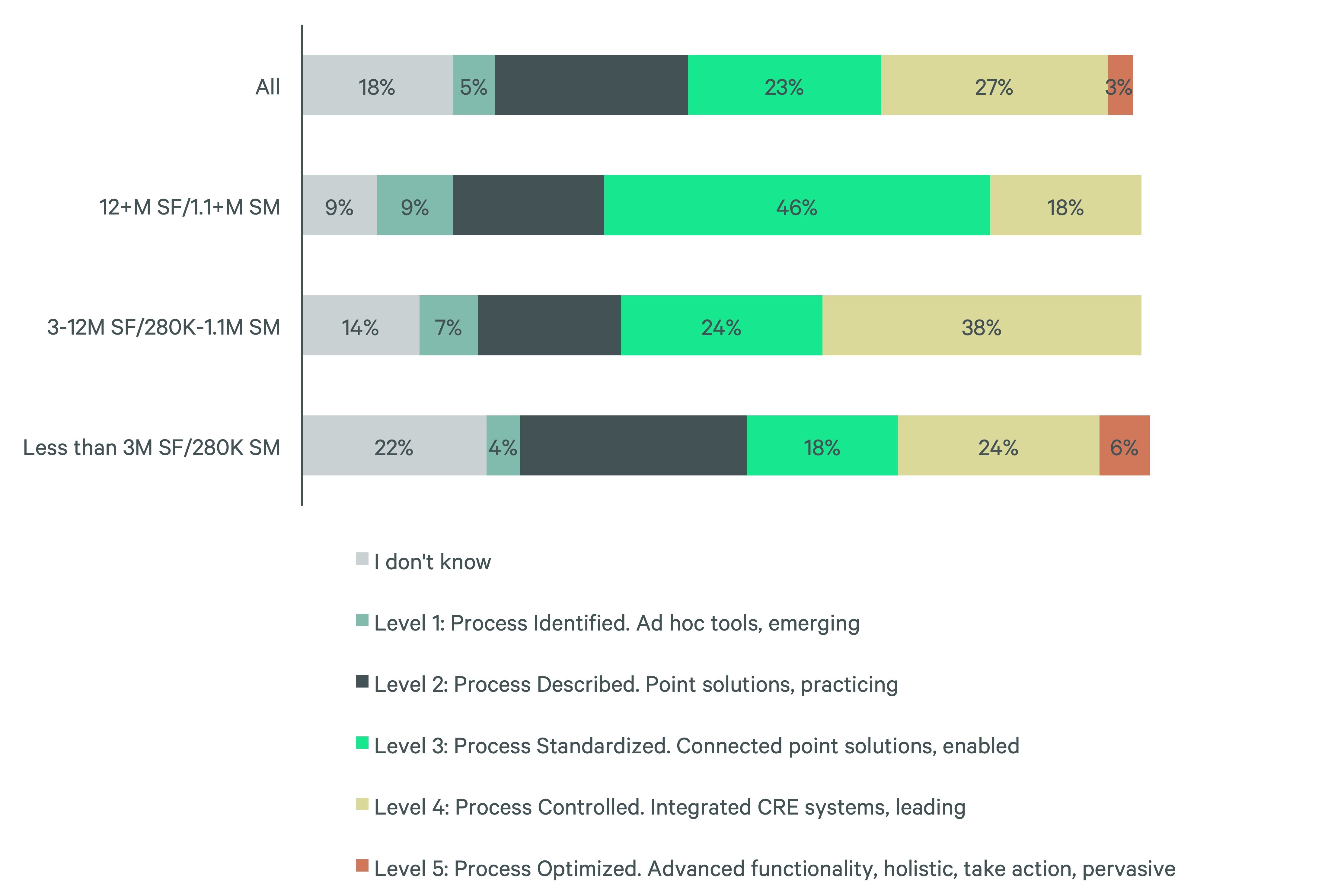
The data reveals increasing technology maturity, with 82% showing some level of tech maturity and a small but significant increase in Level 5 maturity (3% compared to 0% in 2024). This indicates a growing sophistication in the use of technology for workplace management. Data feeds are now standard, with 94% incorporating them into their space management systems. HR feeds (86%) are the most common, providing valuable insights into employee demographics roles, and locations.
Figure 4: Technology Maturity Scale
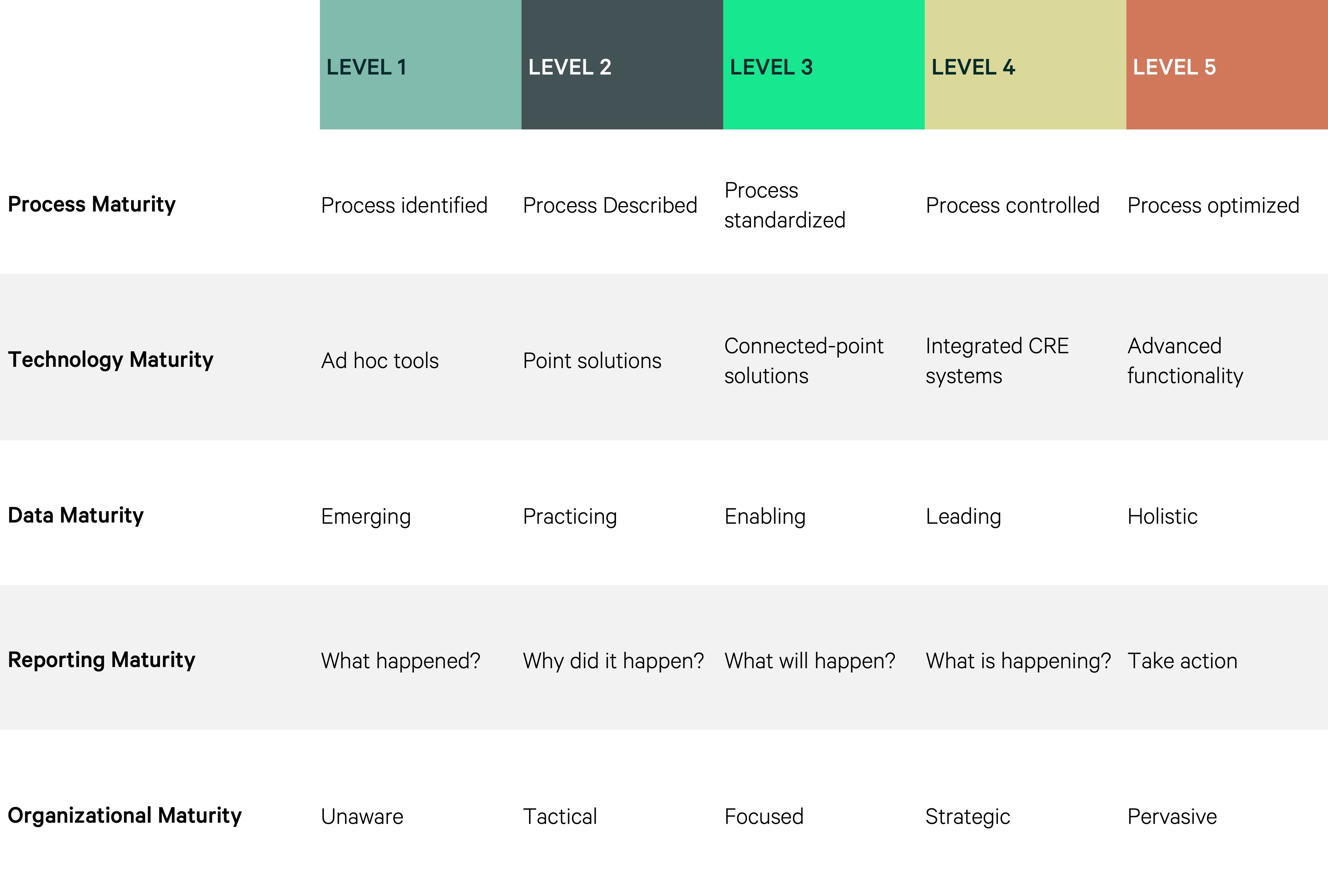
Figure 5: Rate your CRE technology maturity.
Outbound data feeds are prevalent, with 91% having them in place (Figure 6). Data warehouses or lakes and web-based dashboards (54%) have seen a large increase from 2024's 42%, highlighting the importance of data analytics. This trend underscores the growing recognition that data is a strategic asset that can be leveraged to inform decision-making and drive continuous improvement.
However, despite these advancements, the use of technology to create transparency and predictability around hybrid workers' time in the office remains limited. The data shows a rise in no technology tools being used (48%), an increase from 2024's 39% and seems to be trending as an increasingly popular answer for the past two years. This suggests a missed opportunity to leverage technology to better understand and manage hybrid work patterns. Absent the right technology tools, organizations lose visibility into real-time utilization, leaving them with static occupancy rates—a legacy metric that lacks the nuance required for modern decision-making.
Figure 6a: How Data is Integrated Across Technologies
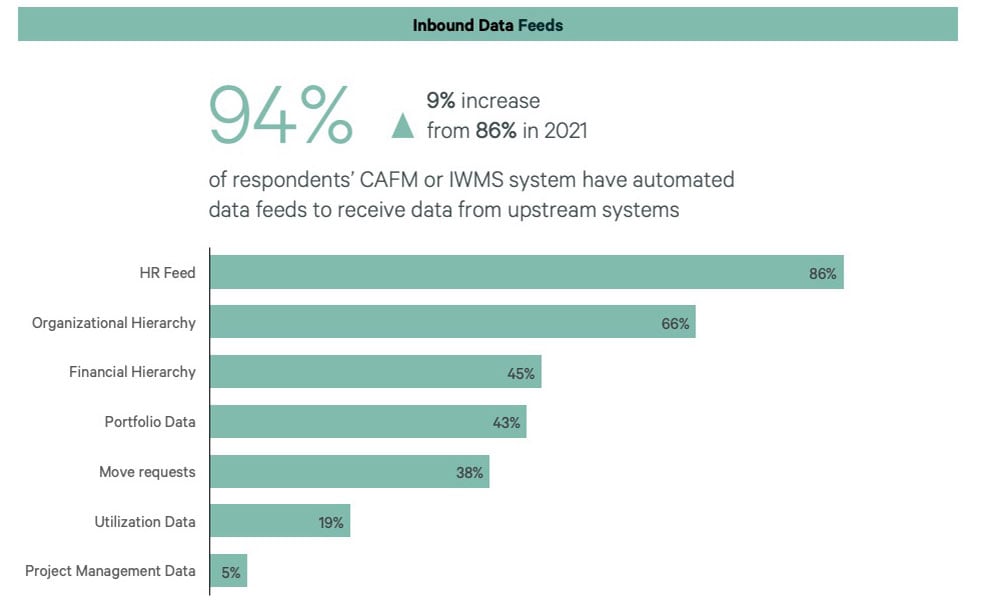
Figure 6b: How Data is Integrated Across Technologies
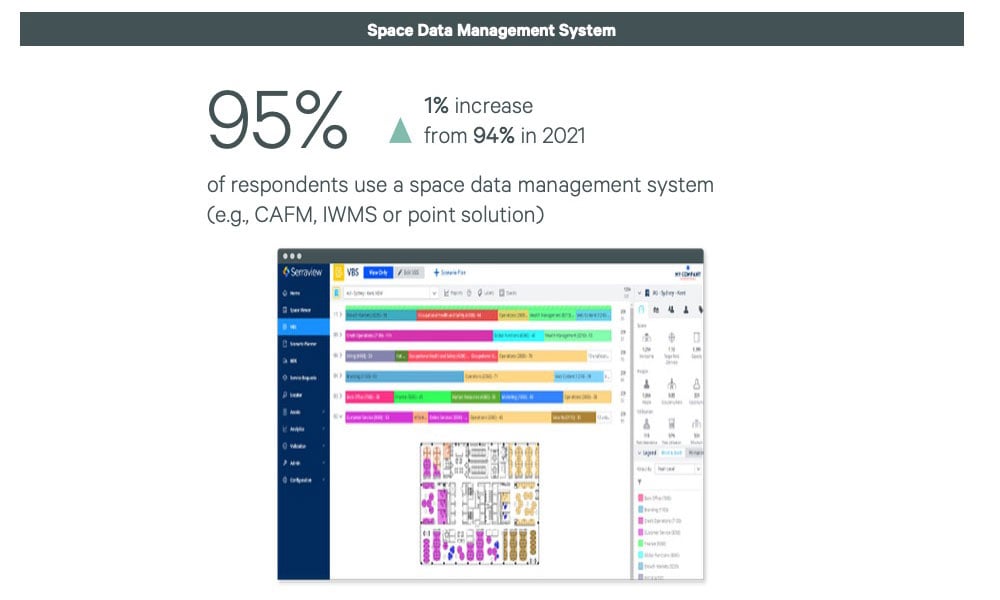
Figure 6c: How Data is Integrated Across Technologies
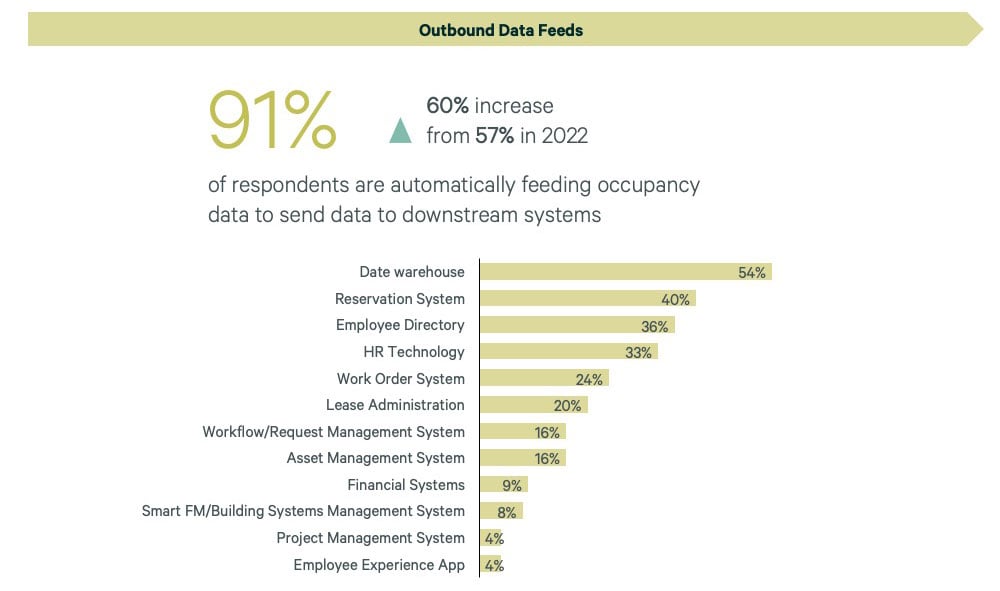
Figure 6: How Data is Integrated Across Technologies
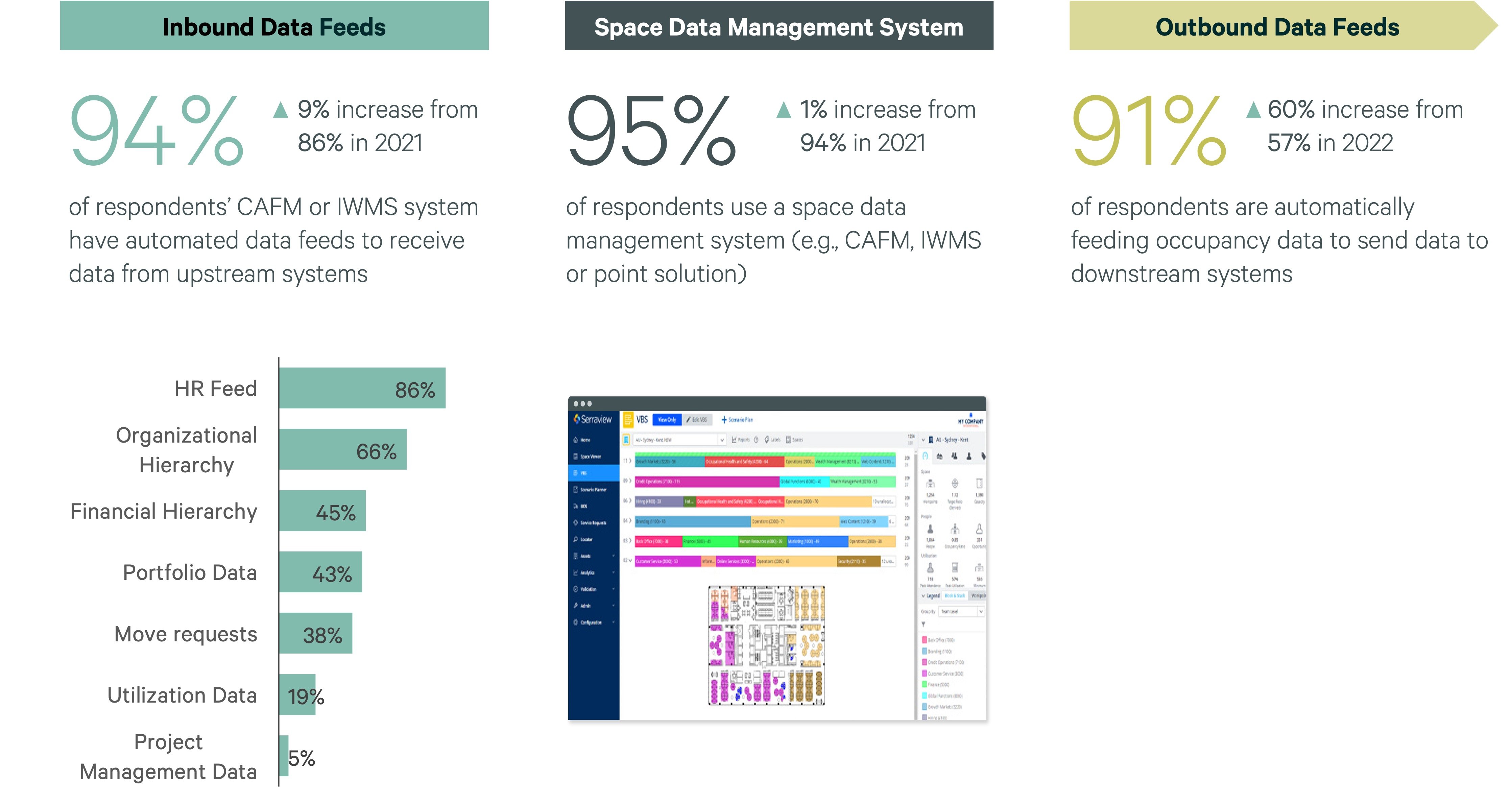
Tech Powers Workplace Success
Despite the availability of sophisticated analytics tools, Microsoft Excel (48%) remains the primary tool for analyzing utilization data. This highlights the need for user-friendly and accessible analytics solutions that can empower employees to easily extract insights from workplace data.
Space reservation systems are widely adopted, with 77% of organizations having them in place. Microsoft Outlook (46%) is the most common platform, reflecting its widespread use for scheduling and communication. Room check-in/check-out (70%) is the most used reservation feature, followed by room utilization (50%). These features provide valuable data on space usage patterns and can inform decisions about space allocation and design. Building Information Modeling (BIM) adoption is stable, with 76% using it, primarily for facilities management (55%). BIM provides a comprehensive digital representation of buildings, enabling more efficient facilities management and maintenance.
Accuracy Through Auditing
The primary method for governing space data quality is through regular auditing (70%), the top response since 2023. This reflects a commitment to ensuring data accuracy and reliability. However, a significant portion (15%) still lack data governance, an increase of six percentage points from last year, indicating a potential area for improvement. Implementing data governance frameworks can help organizations establish clear policies and procedures for data management, ensuring data quality and consistency.
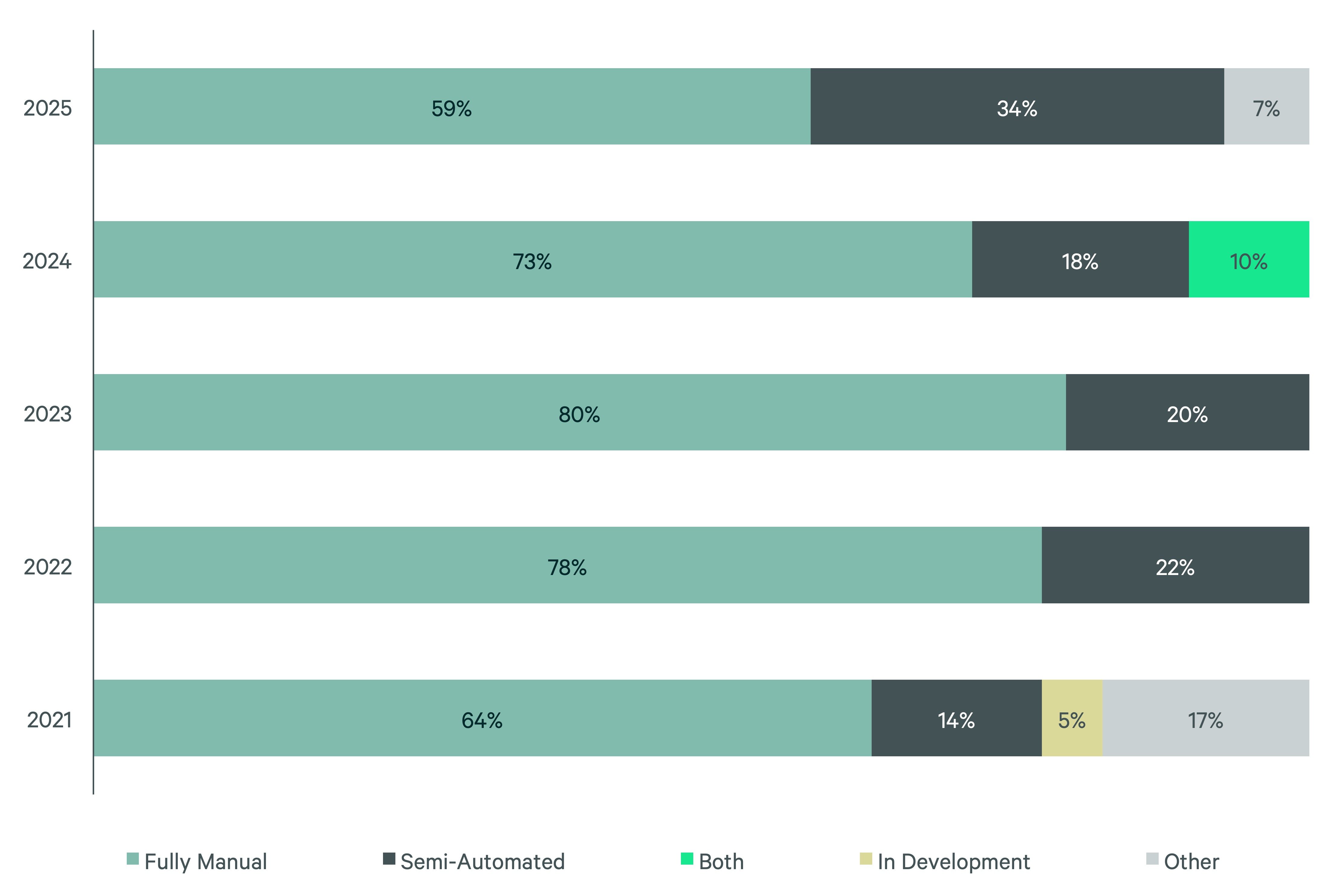
The majority (35%) audit data accuracy monthly, demonstrating a proactive approach to data quality management. While data audits are primarily performed fully manually (59%), the top response since 2021, semi-automated audits (34%) have seen a significant increase from 2024 (18%). This suggests a move towards greater efficiency and a recognition of the benefits of automation in data auditing.
Figure 7: How are data audits performed?
Conclusion
The hybrid workplace is rapidly evolving into a data-driven ecosystem. While AI has immense promise for transforming workplace operations, organizations must proactively address challenges related to expertise, data quality and the potential for "workslop" by prioritizing human oversight and establishing clear best practices. Technology maturity is steadily increasing, providing a robust foundation for optimization, improved data accuracy, and enhanced employee experiences, though opportunities remain to better understand and manage hybrid work patterns through technology. Effective space data management, characterized by a focus on data quality through regular auditing, is crucial, but organizations should also prioritize implementing robust data governance frameworks. Ultimately, the future of the hybrid workplace hinges on the ability to collect, analyze and leverage data effectively. Organizations that invest in data governance, technology infrastructure and employee training will be best positioned to optimize their workplaces, boost productivity, and cultivate an engaging and fulfilling work environment.
About the Series
CBRE’s 2026 Global Workplace & Occupancy Insights is a four-part series that explores the hybrid workplace, offering a data-driven roadmap for organizations adapting their real estate, operations, and culture. It covers recognizing hybrid's evolution, designing a connected employee experience, aligning leadership and employee expectations, leveraging AI and technology for space optimization, and preparing CRE professionals for the future of work. The goal: building a thriving hybrid workplace.
Methodology
The 2026 Global Workplace & Occupancy Insights summarize five years of office benchmarking and sentiment surveys on how CBRE clients have adapted their office environments since 2021. The study examines global data from select CBRE clients representing 303 million sq. ft./28 million sq. m., with an average office portfolio size of 5 million sq. ft., and delivers insights by portfolio size, industry/sector and region/geography.
Enjoying This?
Subscribe to see what’s next in the series, or get a conversation started with us!
Contacts
Susan Wasmund
Executive Managing Director, Global Occupancy Management, Americas Consulting Accounts


More From This Series
-
Article | Adaptive Spaces
The Affiliation Imperative: The Office’s New Purpose—What the Data Shows
July 16, 2026

Office utilization jumped 15 percentage points in one year—and connection, not mandates, drove the increase.
-
Article | Adaptive Spaces
Beyond the Desk: How to Design Offices That Draw Employees In
February 18, 2026
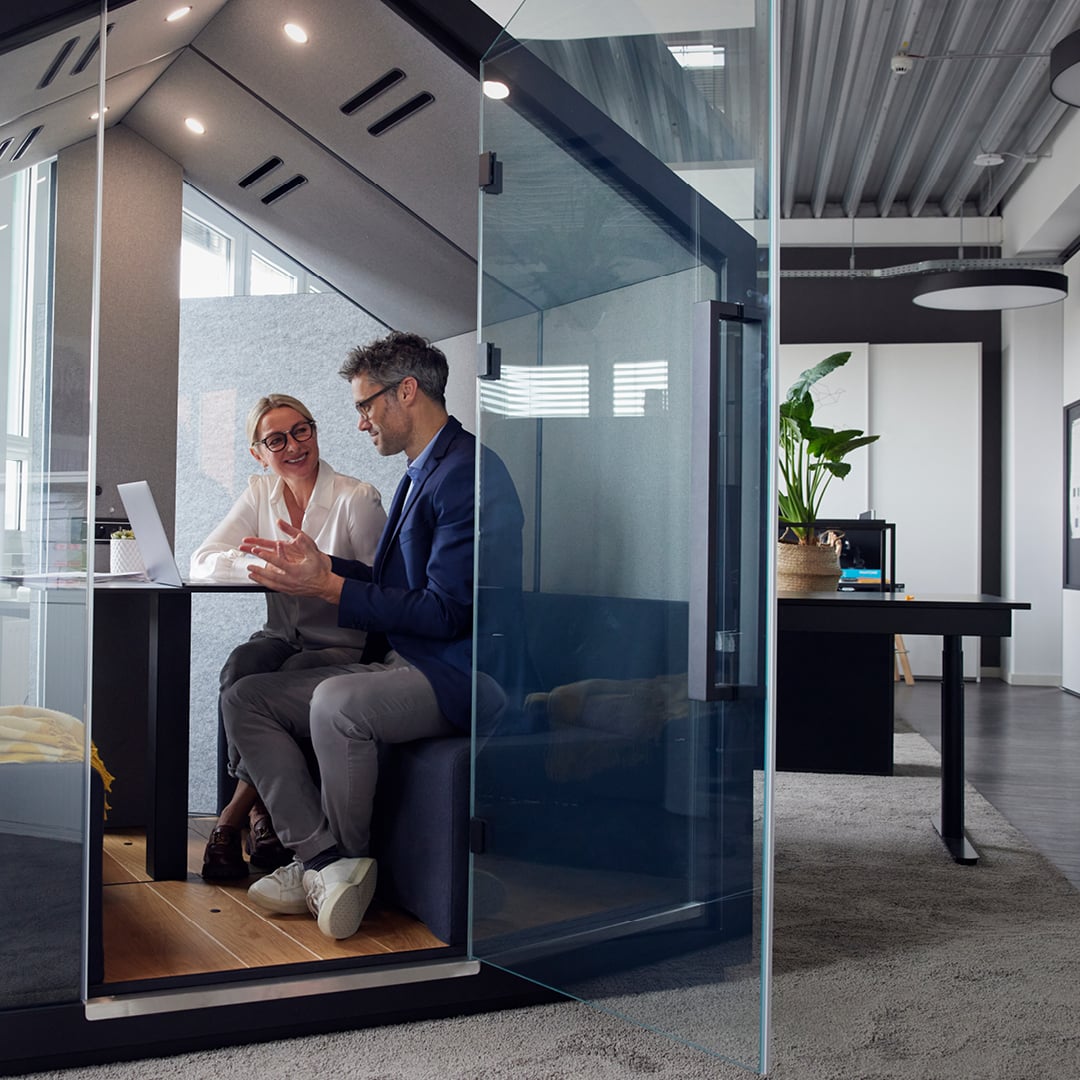
Discover how collaboration, amenities and activity-based design are redefining the office as a place employees choose to be.
-
Article | Adaptive Spaces
The Hybrid Reality: Why the Office Is More Important Than Ever
January 20, 2026

Transforming any workplace into a dynamic hub for collaboration and connection is a challenge. Explore how some organizations are optimizing space.
-

This year, our series offers a data-driven roadmap to help organizations adapt to today's hybrid workplace, covering design, leadership, technology and the future of work.
Related Services
- Manage Properties & Portfolios
Occupancy Management
Leverage occupancy data to empower, anticipate and unlock opportunities within your portfolio.
- Plan, Lease & Occupy
Workplace Strategy
Build resilience, attract and retain talent, and foster connection and collaboration in your workplace.
- Transform Business Outcomes
Consulting
Gain comprehensive guidance on insightful, executable real estate strategies for both investors and occupiers.
- Plan, Lease & Occupy
Organizational Change & Transformation
Enabling organizations to achieve outcomes, improve performance and create change-ready cultures.