Creating Resilience
The Next Generation of Facilities Management Talent
Four factors reshaping facilities management (4/4)
April 2, 2025
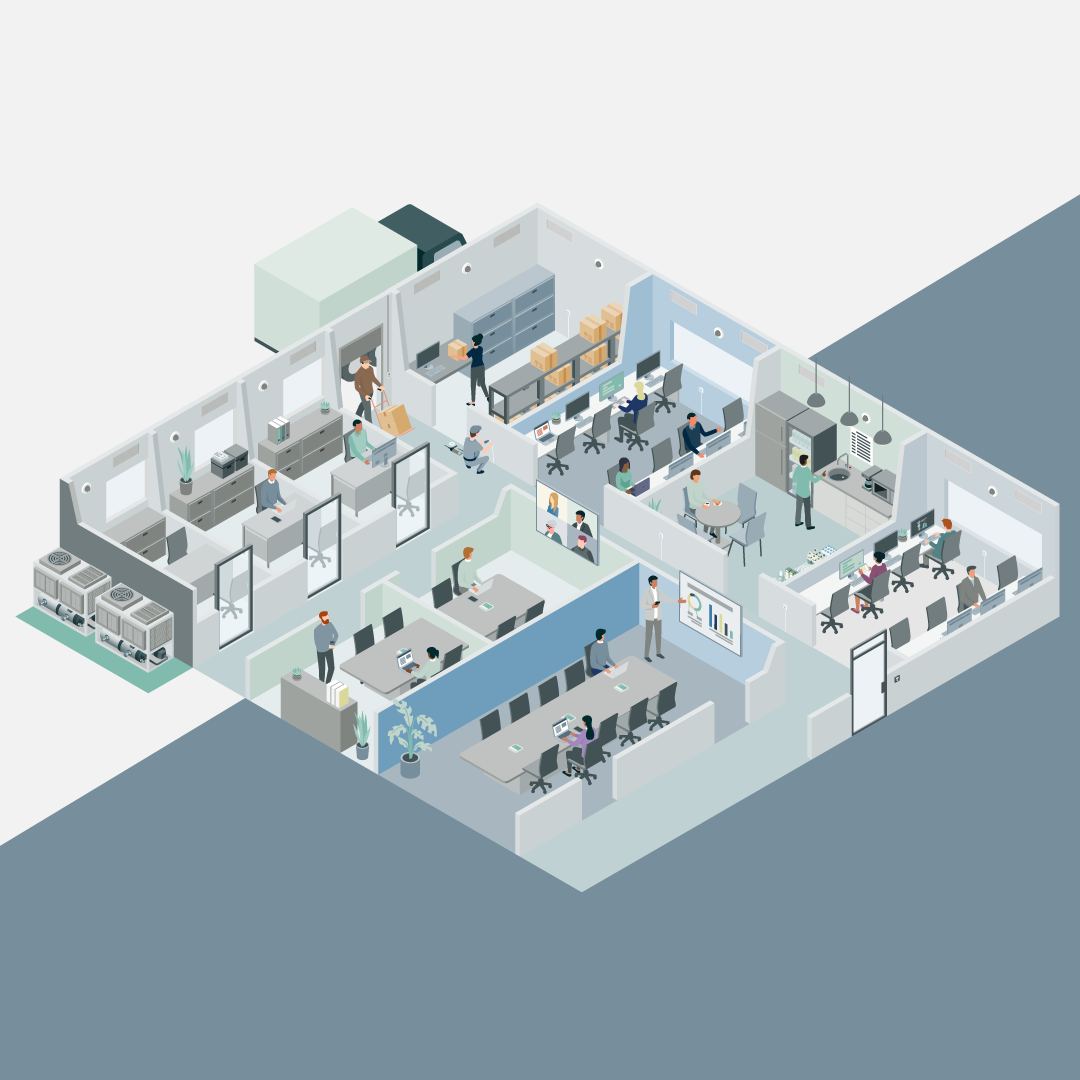
In today’s competitive business environment, attracting and retaining talent is a top priority.
While much attention is given to knowledge workers, the professionals managing facilities—who keep workplaces operational, safe, and efficient—face a growing workforce crisis. An aging workforce and increasing demand for skilled FM professionals mean organizations must rethink how they source, utilize, and support their facilities teams.
The solution lies in three key strategies: expanding the talent pool, maximizing staff efficiency through technology, and prioritizing safety and compliance.
1. Expanding the Talent Pool with a New-Collar Workforce
Growing and diversifying the facilities management workforce is essential. Traditional career pathways are no longer sufficient, and organizations must look beyond conventional talent pipelines.
To broaden the scope of available talent, companies are investing in:
- Apprenticeship programs that provide hands-on training for emerging professionals.
- Recruitment from non-traditional backgrounds, such as hospitality and education, where individuals bring transferable skills in problem-solving, operations, and customer service.
- Upskilling initiatives to equip new hires with technical expertise in building automation, energy management, and AI-driven FM platforms.
By redefining career opportunities in FM, organizations attract fresh talent while creating meaningful, long-term career pathways in the industry.
2. Maximizing Staff Efficiency with AI and Automation
With fewer FM professionals available, organizations must do more with less. Advanced AI-driven technologies and automation are helping teams optimize time and resources, allowing employees to focus on high-value activities.
AI and Robotics in Facilities Management
- Smart cleaning solutions use robotic floor cleaners for high-traffic areas, allowing human teams to focus on detailed touch-ups and deep cleaning.
- Foot-traffic sensors and data analytics enable tiered cleaning schedules, eliminating unnecessary servicing of unused spaces.
- Work order bundling and automated dispatching reduce unnecessary trips by grouping tasks and streamlining workflows.
Remote Monitoring and Predictive Maintenance
AI-powered remote diagnostics help FM teams detect and resolve issues before they escalate, reducing costly emergency repairs.
- IoT sensors monitor building systems in real-time, identifying anomalies and triggering alerts for proactive maintenance.
- Automated fault detection reduces unnecessary site visits, saving time and operational costs.
By automating routine tasks and leveraging AI-driven insights, FM teams can enhance efficiency, reduce operational costs, and improve service quality.
3. Emphasizing Safety and Human Factors with Technology
Ensuring workplace safety and regulatory compliance is a core responsibility of facilities management. As businesses navigate complex legal frameworks and workplace risks, technology plays a crucial role in mitigating hazards and enhancing oversight.
AI-Powered Risk Management
- Smart compliance monitoring automates safety checks, ensuring adherence to regulations across multiple locations.
- AI-driven risk assessment tools identify potential workplace hazards and generate real-time alerts for corrective action.
- Wearable safety technology helps track worker fatigue and environmental conditions, reducing on-site accidents.
A comprehensive approach to safety, compliance, and risk management—powered by innovative technical solutions—helps organizations streamline processes, mitigate risk, and create secure work environments.
The Future of FM Talent: Blending Innovation with Workforce Strategy
Addressing the facilities management talent gap requires a strategic blend of workforce development and technology adoption. By expanding the talent pipeline, enhancing efficiency with AI-driven automation, and prioritizing safety with smart compliance tools, organizations can future-proof their FM operations.
Facilities management is at a turning point. Organizations that embrace innovation will not only attract and retain skilled professionals but also create safer, more efficient, and more resilient workplaces.
Discover three other key factors accelerating change in facilities management.
AI, IoT, and predictive analytics are driving smarter, more efficient FM strategies.
FM now plays a critical role in sustainability, employee experience, and strategic decision making.
Hybrid work is reshaping space utilization and requiring more adaptable FM strategies.
Explore Our Solutions
- Manage Properties & Portfolios
Integrated Facilities Management
Optimize your workplace performance and ensure success with superior facilities management and maintenance services.
- Technology
Artificial Intelligence
Discover how CBRE is revolutionizing commercial real estate with AI.
- Transform Business Outcomes
Real Estate Outsourcing Services