Article | Intelligent Investment
Why Thailand's Industrial Real Estate Can't Keep Up with Its Own Ambitions
September 11, 2026
This year alone, CBRE has handled three separate inquiries from large U.S. and Chinese firms involved in the data center parts supply chain. All three were looking for factory space to lease starting at 15,000 square meters. They found it extremely difficult to identify a single suitable facility inside an industrial estate in Thailand. The solutions that did exist required leasing multiple separate buildings—far from optimal, and a model that becomes increasingly difficult to replicate as demand grows.
These are serious companies with real capital and genuine intent to operate in Thailand. They need to be inside industrial estates: for regulatory compliance, for the ease of doing business an estate environment provides, and because their own customers and partners expect it. Such space is currently extremely difficult to secure.
In the Eastern Economic Corridor (EEC), Thailand's flagship investment zone and the area the government points to when it talks about advanced manufacturing, our internal market data suggests there are likely fewer than five factories available for lease inside industrial estates right now, none of them exceeding 2,000–3,000 square meters. A company that needs 10,000–20,000 square meters faces severe limitations in finding a location.
Why This Gap Exists
The supply problem is structural and has several layers. In most industrial markets, a secondhand factory leasing market develops naturally over time. When an established tenant or owner no longer needs all of its space, it sublets the excess to other operators, creating a flexible pool of ready-to-use space that new entrants can tap into without waiting for new construction. Thailand does not have this market.Under the Foreign Business Act, foreign companies generally face significant restrictions on engaging in leasing as a business. Beyond this, the industrial ecosystem itself presents hurdles: most tenants operate under long-term leases with industrial estate developers that strictly limit assignment or subletting, and the administrative complexity of transferring factory operating licenses, which are tied to specific industrial activities, acts as a significant deterrent. Collectively, these factors prevent a flexible, ready-to-use pool of space from forming.
The industrial estate developers themselves are not filling the gap. The major estate operators do not typically sell land to competing factory developers within their estates, which means third-party landlords building large leasable facilities inside estates is not happening either. There are only two or three landlords in the Thai market building factory space for lease at any meaningful scale, and none of them are building speculatively at the sizes that multinationals require.
That leaves new entrants with two options, neither of which works well. They can buy land and build their own facility, which takes approximately two to three years from start to operation. Or they can commission a built-to-suit facility from a developer, which takes around 18 months but comes with higher rental costs and long committed lease lengths that provide limited flexibility should business conditions change. Developers are reluctant to build large factories without a tenant locked in for 10 years or more, given concerns about re-leasing the property if it becomes vacant. Neither timeline suits industries where being six months late to a location decision costs real money.
Thailand's government has been pushing hard for higher-value manufacturing investment. The BOI incentive packages are competitive, the EEC framework is established and the country has real advantages in location, existing industrial infrastructure and workforce.
What is in question is whether the physical real estate market can actually deliver what these companies need when they decide to commit. The companies we are speaking with are not waiting indefinitely. If they cannot find the space they need in Thailand within a reasonable timeframe, they will look at Vietnam, Malaysia, Indonesia or other markets where this is not an issue. Some of them already are.
The government cannot solve this on its own. The estate developers and the wider market need to respond too. But there are regulatory levers that would help. Reviewing the Foreign Business Act restrictions on subletting would unlock a secondhand market that currently cannot exist. On the developer side, the barrier is commercial rather than regulatory—estate operators have no incentive to facilitate competing factory development within their boundaries, which is an understandable business position but one that leaves a significant supply gap. Some form of incentive for developers to build more leasable factory space inside estates would go further toward closing it.
The interest from international companies in Thailand as a manufacturing and infrastructure base is genuine. The inquiries, budgets and intent to operate here are all real. Thailand is not being overlooked. It is being actively evaluated, which means the window to get this right is open now, not in three years.
But consideration is not commitment, and commitment requires somewhere to go. The government can keep pushing for FDI into advanced manufacturing and AI infrastructure. The harder question is whether the industrial real estate market will move fast enough to meet it.
Disclaimer:
The information contained in this article is provided for general informational purposes only and does not constitute legal, financial or professional advice. While every effort has been made to ensure the accuracy of the information presented, market conditions and regulatory environments are subject to change without notice. Regulatory matters in Thailand—including the interpretation and application of the Foreign Business Act, Industrial Estate Authority of Thailand (IEAT) regulations and BOI incentives—are complex and highly fact-specific. Readers are strongly encouraged to consult with their own independent legal counsel or qualified professional advisors before making any business decisions or relying on the information contained herein. CBRE and the author expressly disclaim any liability for any direct, indirect or consequential loss or damage arising from the use of, or reliance on, the information provided in this article.
The article is written by Adam Bell, Head of Industrial & Logistics, CBRE Thailand.
Contact

Latest Insights
-
Article | Intelligent Investment
CBRE Phuket: Property Research, Consulting and Residential Sales
October 1, 2026
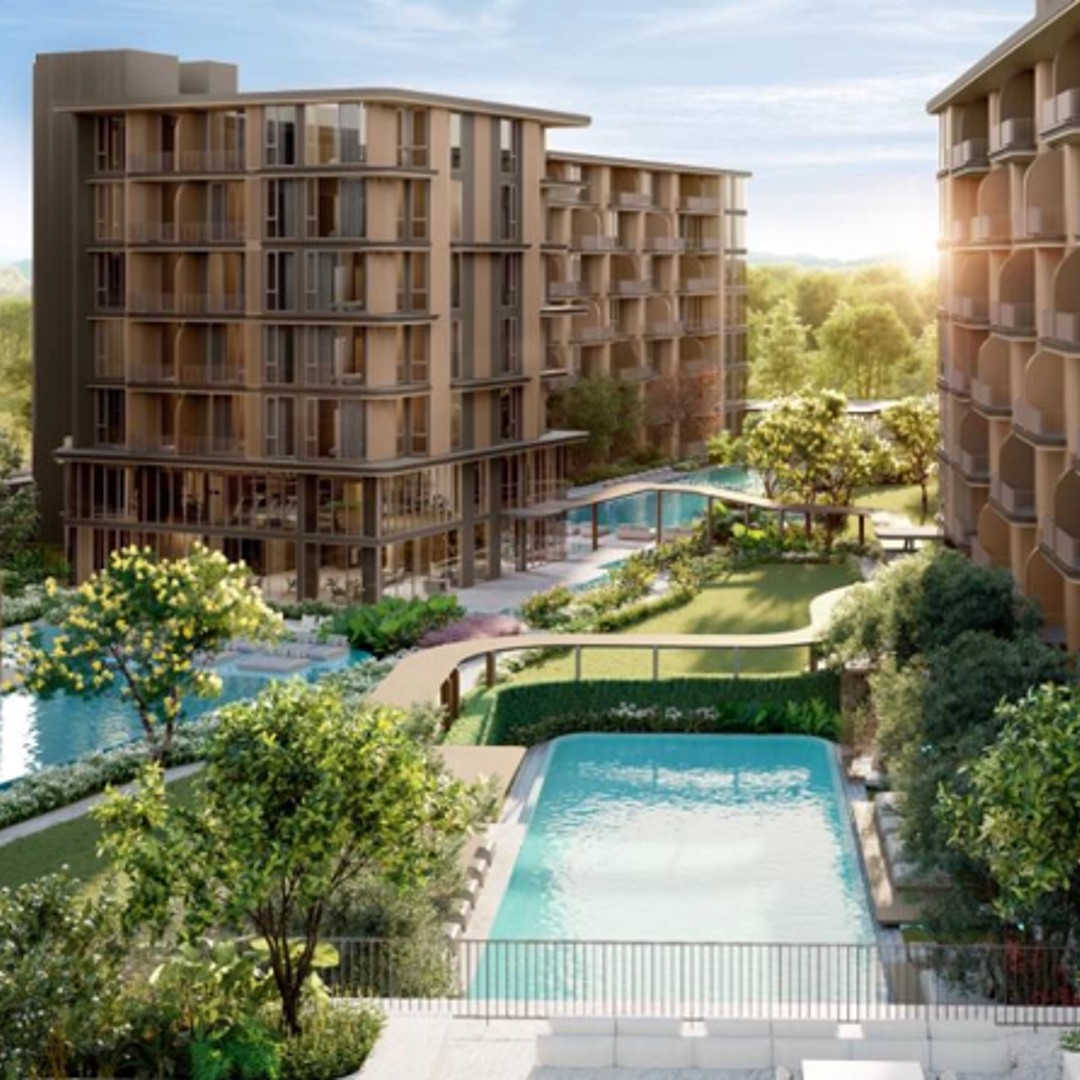
Explore the Phuket property market with CBRE's research, consulting and residential sales expertise. Gain insights for Phuket real estate investment and Phuket luxury real estate opportunities.
-
Article | Intelligent Investment
Sport Is No Longer Just an Amenity in Bangkok Real Estate
September 28, 2026

The growth of sport and active lifestyle in Thailand has been well documented in consumer trend reports over the past several years. What has received less attention is how consistently that trend is now showing up in real estate decisions across Bangkok.
-
Article | Intelligent Investment
Why Thailand's Industrial Real Estate Can't Keep Up with Its Own Ambitions
September 11, 2026
Barely a week goes by without a government announcement positioning Thailand as the next hub for data centers, semiconductor manufacturing or AI supply chain infrastructure.