Adaptive Spaces
European Office Occupier Sentiment Survey 2026
September 3, 2026 10 Minute Read

Executive Summary
CBRE's European Office Occupier Sentiment Survey 2026 points to a market at a critical inflection point.
Demand for quality office space is rising, but constrained capital, limited availability of modern space, and the compounding pressures of AI and net zero are intensifying competition for the best buildings.Fraser Daisley, Anna Esteban, and Julie Ennis break down what the data shows: where supply pressure is building, how AI companies are shaping the market, why relocation is accelerating and what that means for occupiers and investors.
Portfolios are being transformed around people and productivity
Financing portfolio transformations remains contested
Appetite for better offices is outpacing the capital committed to deliver them. Only a third of occupiers plan CapEx to reposition or transform their spaces, while close to 80% are focused on maintaining, making limited changes to or divesting of parts of their portfolio. Investment is concentrating into HQ buildings, with greater landlord fit-out contributions and stronger demand for capital-light flex space likely to be occupiers’ preferred solutions elsewhere.
AI and sustainability are accelerating strategies
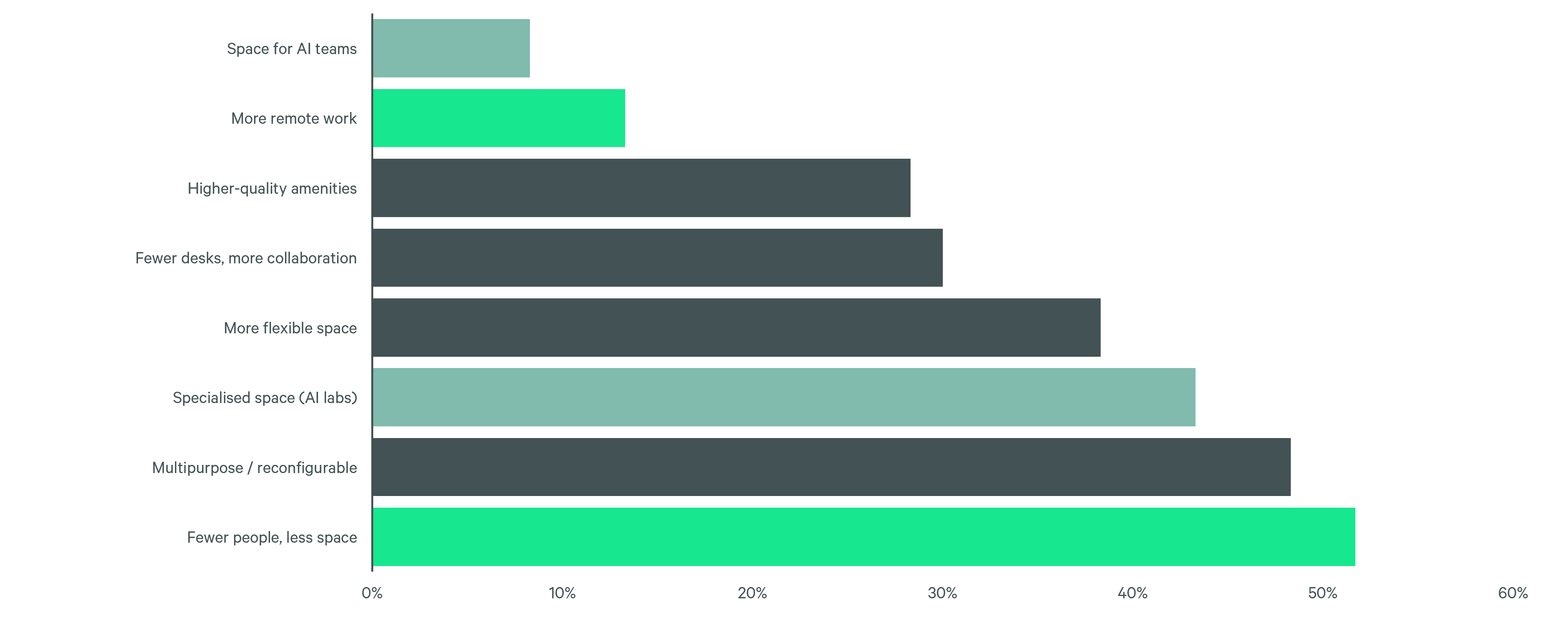
Figure 1: Expected AI-driven workplace changes
Rising occupier expectations meet rapidly shrinking supply

Conclusions
Conclusions for Occupiers
Conclusions for Investors
Want to discuss what the findings mean for your organisation?
Get in touch with our experts below.
Download the Report
The full report includes market-level data, sector breakdowns and the complete survey findings.
Contacts
Mark Cartlich
Head of Occupational Market Research, Europe





Related Insights
- Report | Adaptive Spaces
2026 Americas Office Occupier Sentiment Survey
July 30, 2026 15 Minute Read

The attendance debate is over. The workplace investment debate is beginning. See what's driving the shift.

CBRE research shows AI is augmenting, not automating, European workers. High-exposure cities are the most adaptable — already visible in real estate demand.

How artificial intelligence is reshaping office demand in London. Our research explores AI’s impact on occupiers, locations, flex space, and the Central London office market.

CBRE’s 2026 Asia Pacific Office Occupier Survey finds that half the respondents expect their office space to expand over the next three years.