Future Cities
Business Insights | The Youth Sports Facilities Boom
How municipalities can evaluate the economic value of youth sports facilities.
November 4, 2026 3 Minute Read
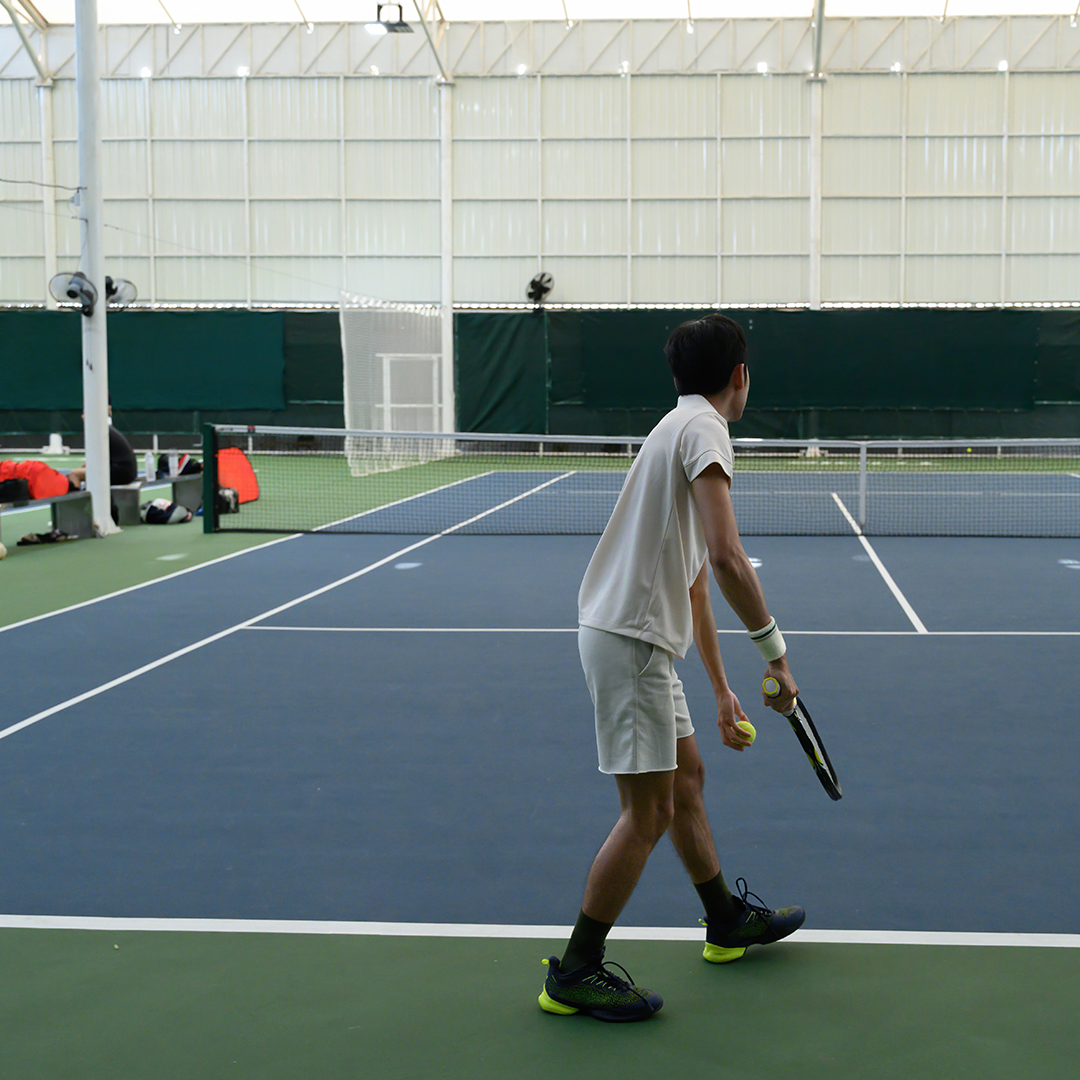
Youth sports has emerged as a large, increasingly professionalized business. In 2024, U.S. families spent more than $40 billion on their children’s sports—up by 46% since 2019—and an average of over $1,000 on just one child’s primary sport. Moreover, tourism driven by youth and amateur events generated more than $60 billion in direct spending, $149 billion in total economic impact and $11 billion in state and local taxes.
Amid this boom, institutional capital has become increasingly active in youth sports, investing in facilities, academies, tournament operators, software and other services. For municipalities, this has created a new opportunity to leverage sports and recreation facilities as tools for economic development, placemaking and community investment.
To take advantage of this opportunity, municipal leaders must evaluate the capital commitment these facilities require and forecast the economic value they can generate.
Evaluating the Public Investment Case for Youth Sports
For communities with the right mix of demand, site availability and strategy, youth sports can support hotels and restaurants, activate underutilized land, generate adjacent development and expand amenities for residents. Yet, developing modern sports facilities often requires significant infrastructure and subsidies like grants, tax deferment, land contributions and more.
Consequently, municipal leaders need to ask whether sports facilities create enough public benefit to justify the investment of public resources. Answering that question requires a four-step evaluation process that balances a community’s objectives against project costs, market realities and execution risk:
| Step | Focus | Scope of Analysis |
| 1 | Vision + Benefits | Define project goals through stakeholder engagement, site programming and planning. Establish measurable objectives for resident use, visitation, tax generation, placemaking and follow-on development. |
| 2 | Costs | Build a complete view of public and private requirements, including land, site improvements, infrastructure, construction, parking, operating needs and long-term capital obligations or other subsidies. |
| 3 | Feasibility | Test market demand and competitive positioning; forecast facility usage, visitor spending, room nights and fiscal impacts; and evaluate project-level operating performance against true comparables. |
| 4 | Execution + Risk | Structure delivery, ownership, operations and public-private participation to align incentives, allocate risk and protect the community’s long-term interests. |
Municipal leaders need to ask whether sports facilities create enough public benefit to justify the investment of public resources.
Six Considerations for Forecasting Economic Value
Public investment forecasts often focus on visitation, room nights and economic impact. But accurately forecasting the value of youth sports facilities warrants a broader assessment. The six considerations below can help municipal leaders distinguish optimistic projections from defensible investment decisions.
- Separate economic impact from financial feasibility. Measure community-wide economic and fiscal benefits independently from the facility’s revenues, operating costs and capital requirements.
- Quantify the full public investment. Include land value, infrastructure, parking, incentives, financing support and long-term maintenance obligations, not just the direct subsidy.
- Test assumptions against the market. Verify competitive supply, event demand, revenue projections, achievable utilization, seasonality, participant origins and hotel capacity before relying on attendance or room-night forecasts provided by the developer.
- Define success up front. Set measurable targets for visitation, resident use, room nights, tax generation, operating performance and follow-on development before committing public resources.
- Assess facility programming and amenities. Determine the types of events the facilities should host and the amenities needed to support them. Evaluate the right mix of indoor and outdoor sports facilities—along with food, beverage and hospitality offerings—to maximize use, support revenue generation and create long-term value.
- Align risk with the right parties. Use ownership, development, operating and public-private partnership structures that place construction, demand, operating and capital-replacement risks with the parties best able to manage them.
Turning Forecasts Into Informed Decisions
Youth sports and recreation facilities can create meaningful economic development and community benefits when investment decisions begin with clear objectives and are grounded in market evidence. Public leaders who can accurately evaluate cost requirements, market demand, fiscal feasibility and real estate strategy are able to make more informed decisions about where to invest and how to structure a project and measure its success.

Public Institutions & Education Solutions Practice
Contacts
Mark Bezold
Senior Vice President, Northeast Regional Manager

Anne P. Rahm
Midwest Regional Manager | Public Institutions and Education Solutions

Michael McShea
Executive Vice President (Honorary Title)


