Chapter 8
Healthcare
U.S. Real Estate Market Outlook Midyear Review 2026
5 Minute Read
5 Minute Read
Midyear Outlook
- The overall medical outpatient building (MOB) vacancy rate fell to 9.8% at midyear and is expected to remain stable through year-end, supported by limited new supply and steady absorption. Availability of high-quality medical space remains tight, as elevated construction and financing costs push new deliveries to 2027. Demand from large providers should sustain absorption, albeit with potential moderation from regulatory uncertainty and ongoing cost pressures.
- Rent growth is expected to gain momentum as stable demand meets constrained supply, particularly for premium assets. Sun Belt markets led by Florida, Texas and North Carolina should continue to outperform, supported by population growth, more people with health insurance and comparatively greater development pipelines.
- Healthcare provider fundamentals remain pressured due to persistently high medical goods and operational costs and diminishing reimbursement rates. This environment will likely continue to support lower-cost outpatient settings and strategic partnerships, which may eventually strengthen tenant credit profiles and underpin demand for well-located, high-quality outpatient assets.
- Healthcare systems and developers are expected to offset the shortage of well-located, purpose-built healthcare space by adaptively reusing traditional office and retail properties. Currently, 43% of MOB conversions are from retail assets, while 42% are from traditional office buildings. Conversions will account for a record 5.5% of all healthcare construction in 2026.
Figure 11: 2026 Rent & Vacancy Forecast for Medical Outpatient Buildings
Key Updates to Forecast
- We expect the overall MOB vacancy rate to end 2026 at 9.7%, 17 bps lower than initially forecast. The decrease reflects stable demand and diminishing deliveries of new inventory, with absorption expected to remain positive.
- Downward revisions to vacancy forecasts were most pronounced in the Sun Belt and on the coasts, where many markets saw declines exceeding 50 bps. Upward revisions were more concentrated across midwestern markets. Our revised forecast is for nine markets ending the year with a vacancy rate below 6% vs. only six markets previously.
- Rent growth is expected to remain modest this year, with our forecast slightly lowered to 1.3% from 1.4%. Across the 59 markets tracked by CBRE, 30 are now projected to record higher rent growth than initially forecast. Twenty-nine markets, including some larger and higher-cost coastal metros, are expected to see lower rent growth. Despite these mixed revisions, 45 markets are still expected to post positive year-over-year rent growth in 2026, underscoring the broadly stable national rent outlook.
Contacts



Healthcare
Related Insights
-
Brief | Intelligent Investment
Sun Belt Population Growth Drives Demand for Outpatient Healthcare Real Estate
June 29, 2026
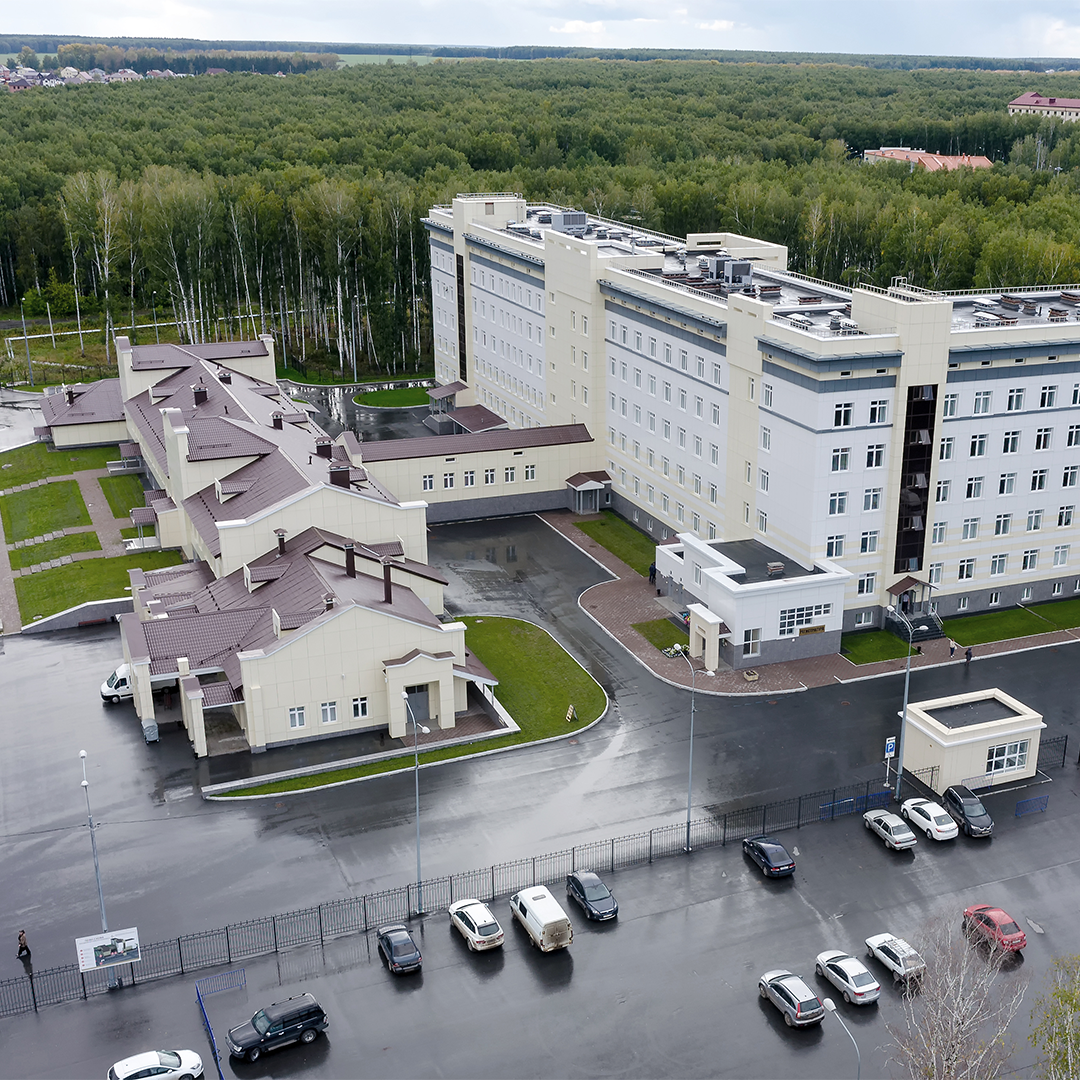
Sun Belt population growth is fueling demand for outpatient healthcare real estate across all age groups, not just retirees.
-
Brief | Adaptive Spaces
Aging Population Fuels Greater Demand for Specialty Healthcare Real Estate
March 26, 2026

Healthcare real estate is rapidly evolving as an aging U.S. population drives unprecedented job growth.
-

Insights in Your Inbox
Stay up to date on relevant trends and the latest research.