Article | Adaptive Spaces
Earning the Commute
By: Julie Whelan, Head of Occupier Research, Americas
September 24, 2026 5 Minute Read

Why yesterday’s workplace can’t deliver tomorrow’s outcomes.
Our Take Newsletter
Our Take is CBRE’s monthly newsletter, delivering unique insights into today’s most pressing topics.
Learn More
When I joined CBRE 10 years ago, the purpose of the office was not a question. Corporate real estate leaders focused on managing facilities efficiently, minimizing impact on the balance sheet and maintaining safe and healthy work environments.
I knew that world well.
Before CBRE, I spent more than a decade as a corporate occupier, sitting in the same seat as the professionals we work with today. Over the past 20 years, first as an occupier and then as an advisor, I’ve become convinced that our job is not simply to lease and manage space. It is to create conditions for people and businesses to thrive.
Today, office occupiers face harder but more consequential challenges: Are employees more effective in the office? Does it strengthen culture? Can the portfolio keep pace with changing business priorities?
Is the experience worth the commute?
For the past decade, CBRE has conducted an annual Office Occupier Sentiment Survey. The results show the office evolving from a requirement to a destination, from prioritizing efficiency to enabling effectiveness, and from reducing space to reinventing it.
Some organizations have reimagined the workplace for this new era. Others are still trying to solve today’s challenges with yesterday’s assumptions.
In our first survey in 2016, 57% of respondents said attracting and retaining employees drove workplace strategy. Today, enhancing the employee experience remains a top occupier objective, with 62% of respondents citing that in this year’s survey.
What strikes me isn’t how similar that response is, but rather how much the definition of employee experience has matured.
A decade ago, many organizations equated a great workplace with services, not outcomes. In 2017, 62% said amenities were most important to the workforce, compared with only 25% citing connectivity among employees. Over the years, occupiers have invested significantly in cafés, fitness centers and hospitality-inspired services, only to find that employees still struggle to focus, collaborate or accomplish meaningful work. At the same time, we’ve seen how even modest investments can improve the experience by making collaboration, learning and connection easier.
The lesson is simple: Employee experience isn’t only about the bells and whistles. It’s about whether people can do their jobs well, build lasting connections and feel that their time is valued. Today, over three-quarters cite colleague engagement as the bellwether of a great workplace, signaling encouraging progress.
And let’s not forget that employees have a choice today. Ten years ago, going to the office was an obligation. Now, organizations must make the trip worthwhile.
An executive once told me that as she walks around her office, she asks employees a simple question: “Did we earn your commute today?”
That phrase carries enormous meaning.
It reflects a leader’s responsibility to create value for employees. It recognizes that the office is now a choice. And it acknowledges that every commute involves a trade-off with something else that likely matters in a person’s life.
Today, despite the prevalence of flexibility in where we work, 89% of occupiers expect at least three days in the office. But the most important question is not how often people come in. It is why.
We travel to destinations for experiences we cannot get elsewhere.
Increasingly, the same must be true of the office.
Over the past decade, the conversation has shifted to maximizing outcomes rather than space. As the office becomes more intentional, success must be measured by effectiveness, not simply occupancy.
The challenge is that priorities don’t always translate into meaningful change. While employee experience is a top objective for most occupiers, nearly half still rate their workplace experience as average or below average relative to peers.
Employees are often told the office is now about collaboration, connection and innovation, only to arrive and find rows of individual workstations designed for the same work they could have done from home.
That’s not transformation. Rather, it’s asking an old workplace to deliver a new outcome.
An office can be financially efficient but operationally ineffective. A floorplan can maximize occupancy while leaving employees without enough space for meetings, focused work or seamless collaboration with people not in the same physical location.
In this new era of workplace design and technology, leadership practices and team norms must flow together. Flexibility creates frustration when employees do not know whether colleagues will be present, while attendance expectations fall flat when leaders cannot explain the purpose of being together.
This is why the organizations getting it right are looking at it as an operating system, not simply an attendance policy.
The strongest leaders understand a simple truth: A different way of working requires a different kind of workplace.
The portfolio question is shifting from “How much space do we need?” to “What do we need our space to do?” A decade ago, the workplace technology conversation centered on mobility and measurement. We talked about giving employees more flexibility in where they worked and helping organizations better understand how their space was being used.
Today, AI is driving a much deeper shift. It isn’t simply changing where work happens. It’s changing the work itself and challenging us to rethink the value we uniquely bring to our professions.
What interests me is not simply whether it leads to more space or less. It is how AI changes once again what people need from the office.
As technology takes on more routine and individual tasks, it will be learning, creativity, experimentation, mentorship, trust-building and human connection that become even more important reasons to gather.
I’m already seeing glimpses of that future: Some workplaces are organized less around departments and assigned seating and more around learning, innovation, client engagement, focused work and problem-solving. They feel less like places where people are expected to sit and more like destinations designed around purpose.
That is where our industry needs to go.
After a decade of measuring occupier sentiment, I’m convinced that the office remains critically important. Its value comes from what it uniquely provides: connection, culture, learning, creativity and shared purpose.
And this matters deeply.
The environments we create shape how people feel for most of every day. They can influence motivation, relationships, belonging and attitudes toward work. In this industry, we have the privilege of improving that daily experience for millions of people.
The goal is not to create a slightly better version of the office we had a decade ago. It is to create an office our past selves would barely recognize—not because it is extravagant, but because every space, experience and investment has a clear purpose.
The occupiers that succeed will listen, remain curious and adapt. They will see the workplace not as a clash between leadership and employees, but as a shared opportunity to create something better.
And they will keep asking one simple question: Did we earn the commute today?
Office Occupier Sentiment Around the Globe
-
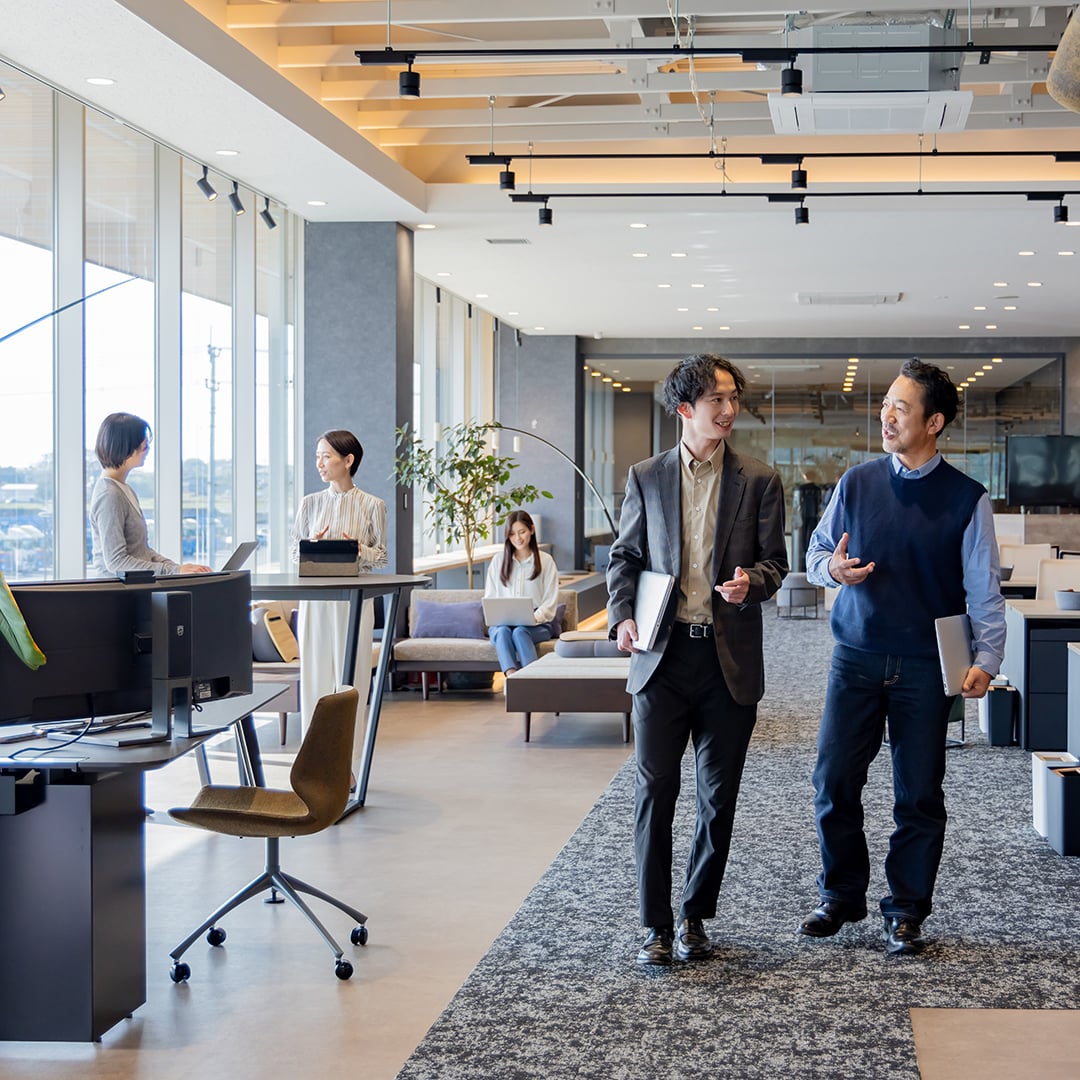
CBRE’s 2026 Asia Pacific Office Occupier Survey finds that half the respondents expect their office space to expand over the next three years.
-

Demand is rising. Supply is tightening. AI and net zero are compressing timelines. CBRE's European Office Occupier Sentiment Survey 2026 – read the findings.
-
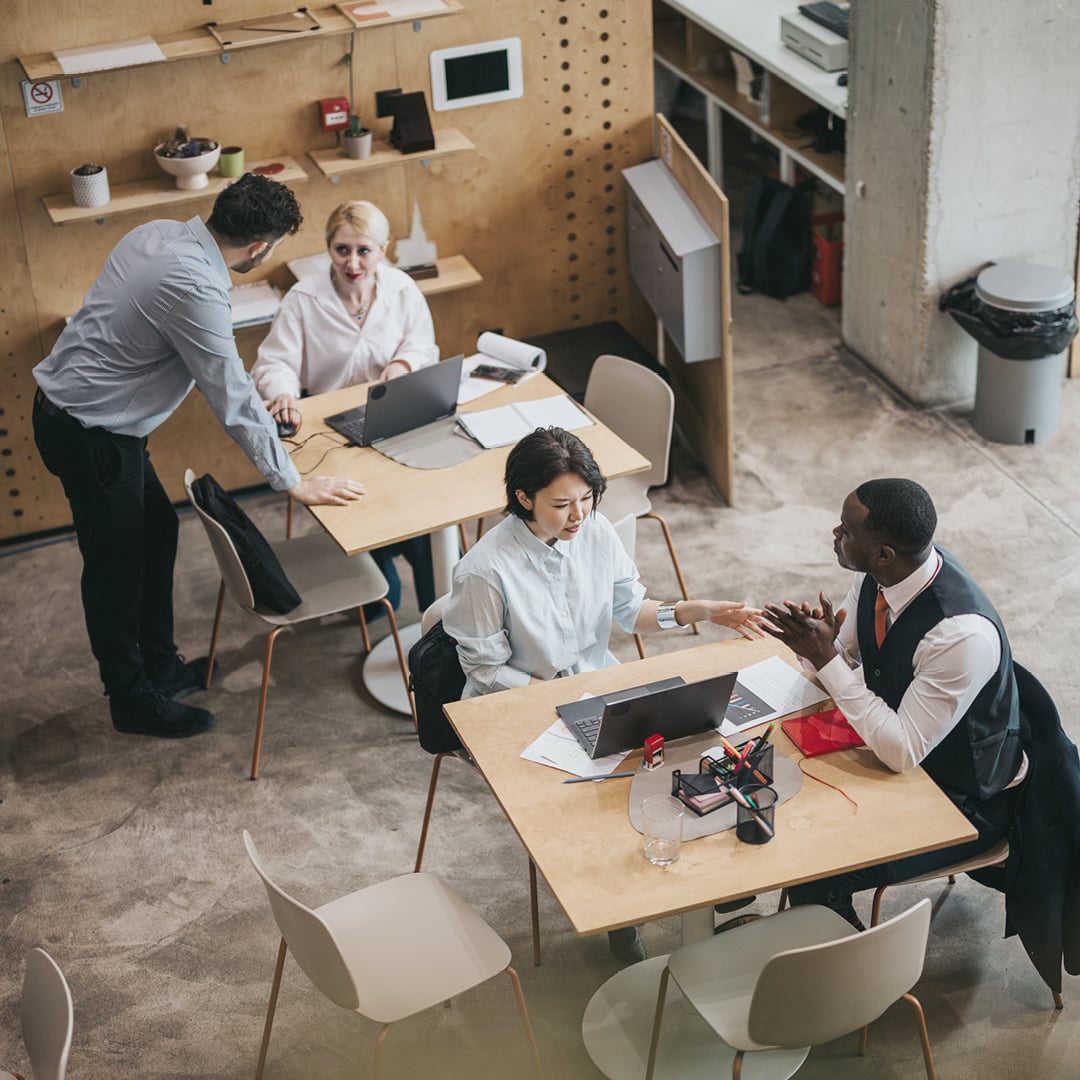
The attendance debate is over. The workplace investment debate is beginning. See what's driving the shift.
Featured Content
-
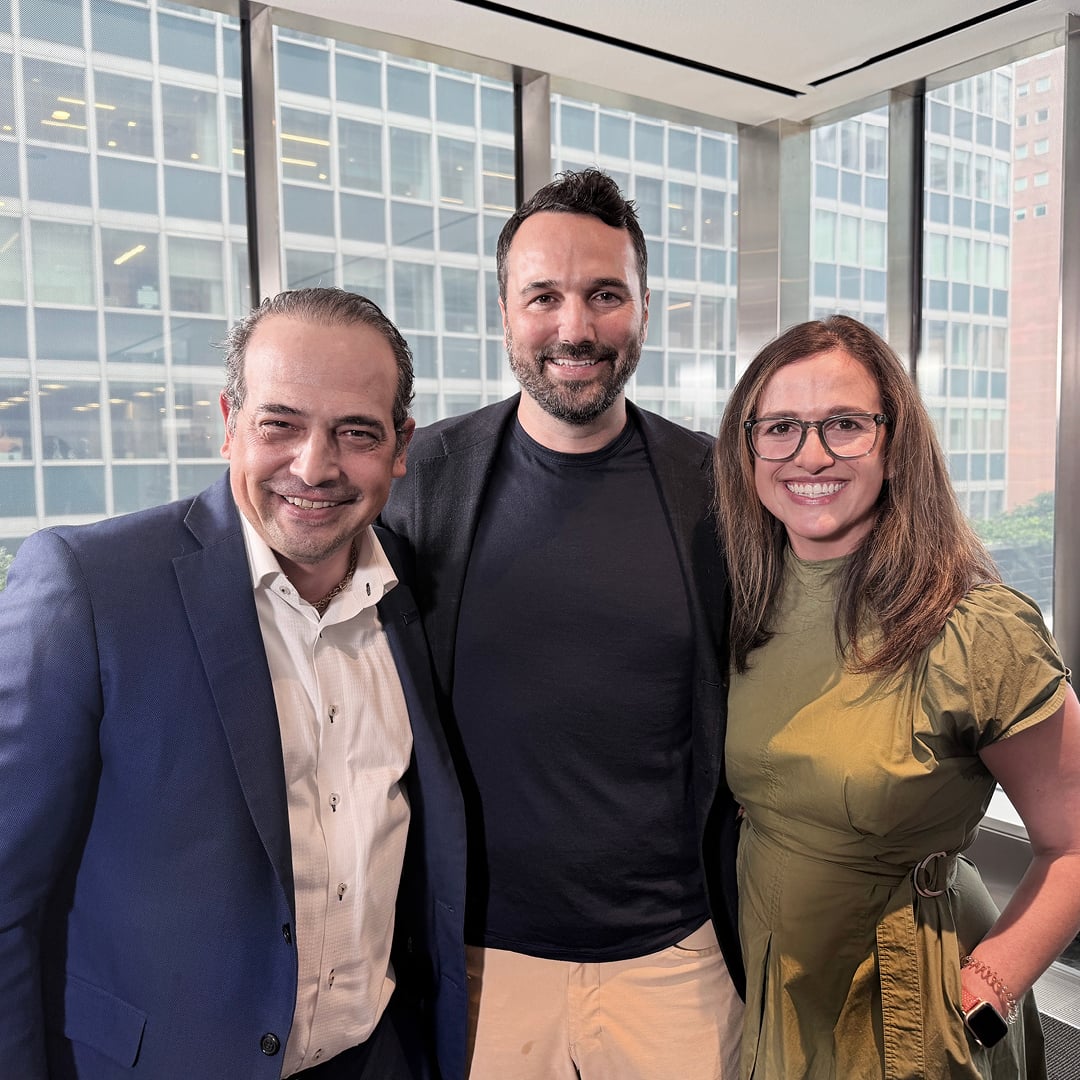
Verizon's Nicole Nicholson and CBRE's Jamie Hodari discuss how real estate, technology and human connection are strengthening business outcomes and creating competitive advantage in an AI-powered world. Learn from seasoned executives responsible for managing large, complex real estate portfolios.
-

Futurist and author Jacob Morgan has a plan for building future-ready organizations: cultivating a thriving, accountable workforce; embracing flexibility; and applying technology to foster resilience and employee growth.
-
Podcast | Adaptive Spaces
Winning Team: How Under Armour reinvented its corporate real estate
April 28, 2026
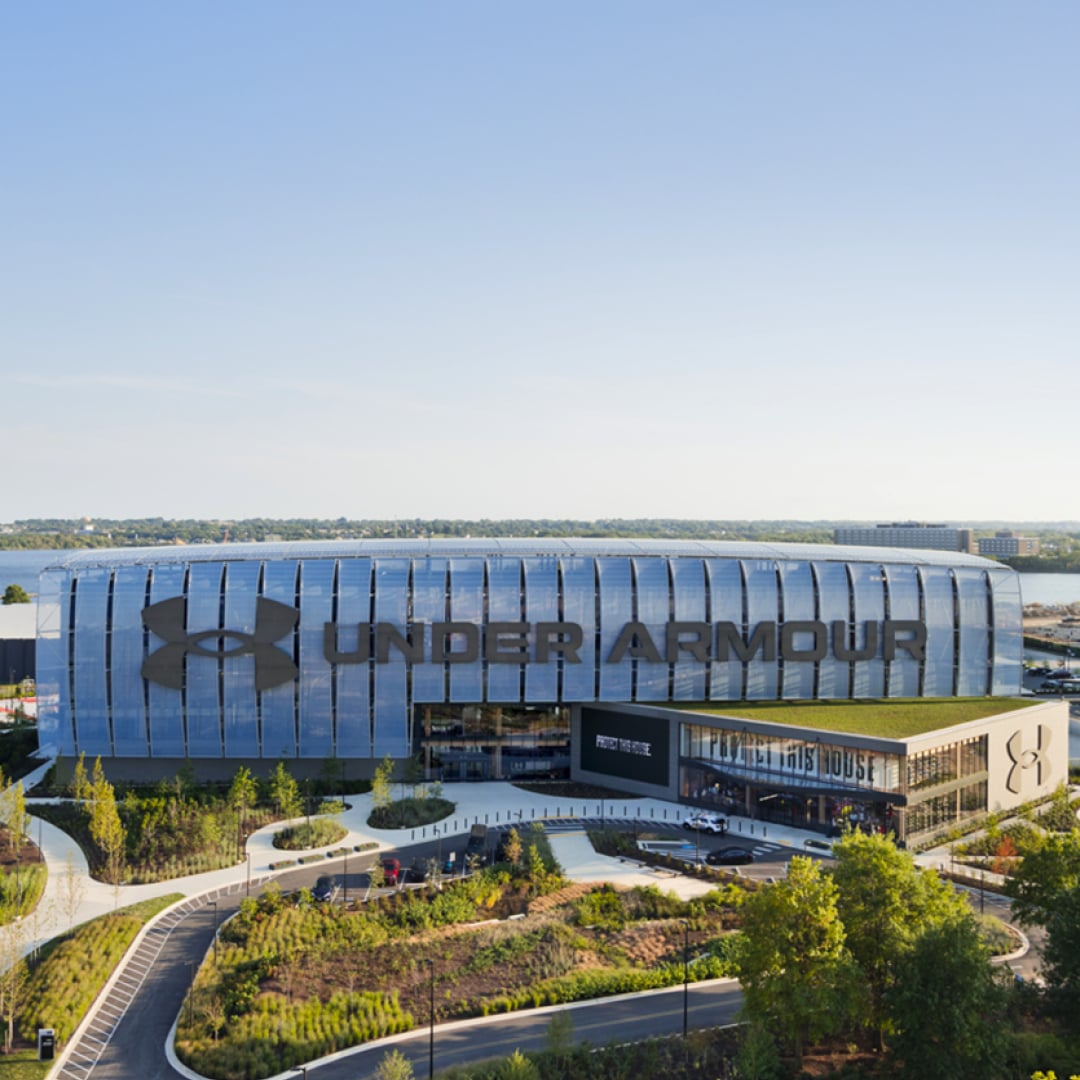
Under Armour’s Kathy Blessington shares the playbook for using real estate to support performance, culture and growth. From headquarters planning to retail and supply chain strategies to community engagement, Kathy explains how intentional, flexible spaces help global companies stay competitive and future-ready.
-

The office isn’t coming back. Something better is.
-

This year, our series offers a data-driven roadmap to help organizations adapt to today's hybrid workplace, covering design, leadership, technology and the future of work.
