Chapter 2
Themes
New Zealand Real Estate Market Outlook 2026
10 Minute Read
10 Minute Read
Looking for a PDF of this content?
Key Themes Shaping New Zealand's Real Estate Market in 2026
This section highlights the themes expected to underpin market activity and decision making in 2026, including improving sentiment, tightening supply pipelines, and where leasing and investment momentum is likely to emerge.
Discover how New Zealand’s 325bp cut to cash rates over the past 18 months is flowing through to improving economic dynamics, with market sentiment cautiously optimistic and a “wait-and-see” mindset that may delay a stronger upswing until H2 2026.
Explore what this means for occupiers, as CBRE expects demand for business space to lift later in 2026, with a stronger absorption rebound likely to extend into 2027 and 2028. Our analysis also indicates occupancy costs and rental affordability are not creating structural barriers to future rent growth.
See how investor confidence is improving, with buying intentions rising to a net 17%, the highest level since 2015 outside the 2021 to 2022 peak, supported by expectations of stronger occupier demand and a moderating supply pipeline. While interest rate moves may not support yield firming in 2026, lower debt costs remain a meaningful tailwind, and investors are showing renewed interest in office as leasing activity picks up.
Dive into the full details and in-depth analysis of these themes in the full report and below.

Eight emerging themes shaping New Zealand’s real estate market in 2026
-
Investor Intentions
Investor intentions improve as core‑plus and value‑add momentum builds. -
Yield Margins
Yield margins sit near long‑term averages, with only modest cap rate compression expected. -
Omnichannel Commerce
Omnichannel and e-commerce are expanding the role of both retail and industrial space. -
Sustainability Gap
The sustainability gap is identifies demand for greener, higher‑rated buildings. -
Occupancy Costs and Affordability
Occupancy costs and rental affordability are not structural barriers to rent growth. -
Office Utilisation
Higher office utilisation is increasingly supporting expansionary occupier strategies. -
Residential Buyer Demand
Buyer demand is broadening and price expectations are improving. -
Hotel Demand and Events
Major events and shifting demand dynamics are setting up a hotel demand boost.
Related Insights
-

CBRE’s 2026 Asia Pacific Investor Intentions Survey uncovered a further improvement in buying intentions across most markets in Asia Pacific this year
-
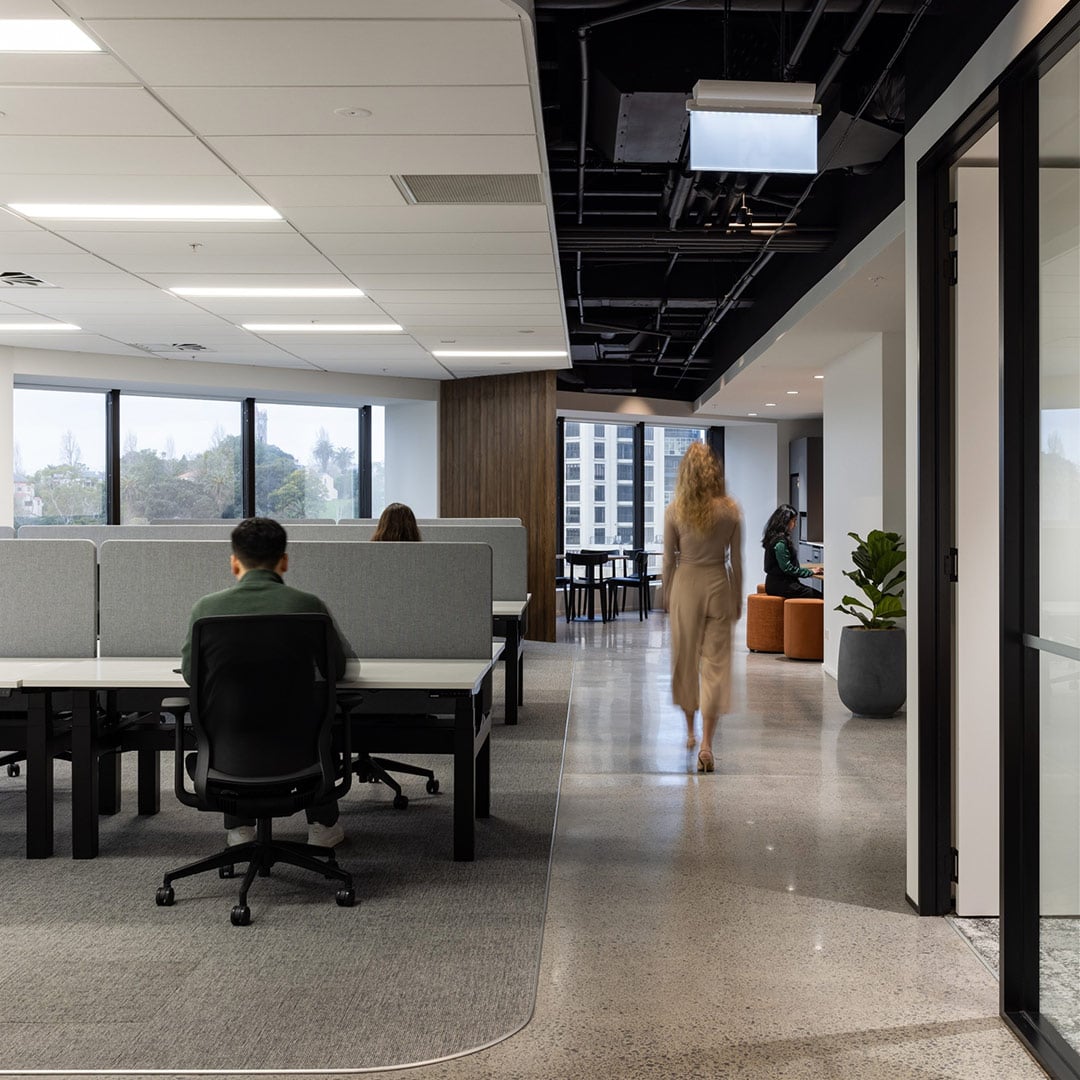
The latest New Zealand Property Occupancy Costs and Rental Affordability report examines occupancy cost ratios and their implications for investors and occupiers. Read now.
-

Discover key insights into hybrid working, workplace trends, and real estate strategies shaping New Zealand’s office market in 2025. Explore data-driven guidance for occupiers and landlords on office attendance, space utilisation, and sustainable workplace solutions.
-

Discover how the gap between the sustainability goals of major occupiers and the environmental performance of the buildings they occupy presents a significant opportunity for landlords and developers.
-
In Q3, market yields experienced notable firming, the most significant since Q2 2021, as lower interest rates enhanced liquidity and pricing for assets.
-
Report | Intelligent Investment
Pacific Real Estate Market Outlook - April 2026 edition
January 27, 2026

CBRE’s 2026 Pacific Market Outlook highlights key trends and overarching themes that will guide market shifts and decision making.